
Key aspects to ensure the functionality of your new home
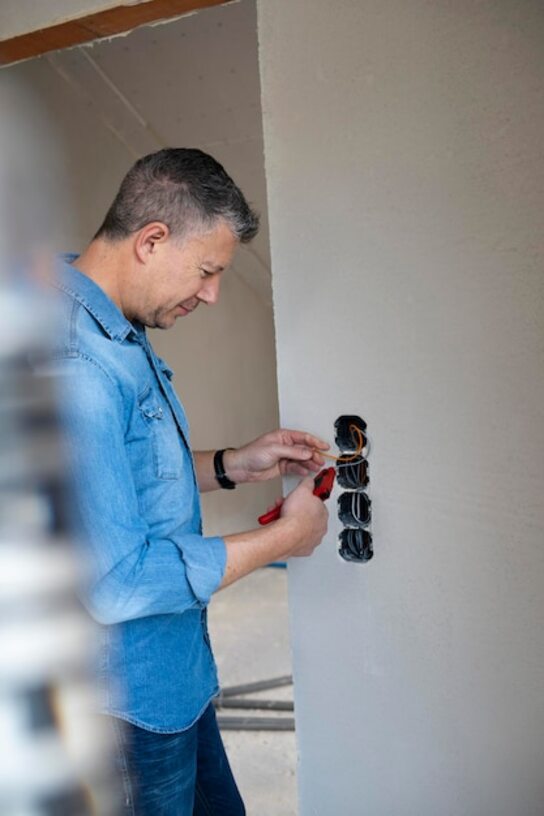
Ensuring the functionality of your new home is essential for enjoying a comfortable and efficient space. In this article, we will explore key aspects that will help you maintain your house in optimal condition, avoiding future problems and guaranteeing a pleasant environment. From regular facility check-ups to implementing maintenance routines, every detail matters for your home to be a perfect refuge. Discover how to transform your residence into a functional and welcoming place!
Importance of preventive maintenance: Why not wait for problems to arise?
Preventive maintenance is an essential part of ensuring the longevity and functionality of any home. Many times, homeowners wait for visible or obvious problems to arise before taking action, which can result in costly repairs and unnecessary complications. Conducting regular checks on electrical installations, plumbing systems, heating, and air conditioning not only prevents unexpected failures but also allows for the identification of risk areas before they become serious inconveniences. By adopting a proactive approach to maintenance, you can enjoy a safe and comfortable environment without the constant worry of facing emergencies.
In addition to the economic savings that come from avoiding urgent repairs, preventive maintenance contributes to the overall well-being of the home. A well-maintained environment promotes the physical and mental health of its inhabitants; for example, ensuring that ventilation systems are clean prevents respiratory problems associated with the accumulation of mold or allergens. Likewise, the good condition of electrical installations reduces the risk of fires and domestic accidents. Ultimately, investing time and resources in preventive maintenance not only preserves the structure of the home but also creates a more pleasant living space.
Advertisements
Electrical installations check: Safety and efficiency in every corner.
The inspection of electrical installations is a crucial aspect to ensure both safety and efficiency in every corner of your home. Defective electrical installations not only pose a potential fire risk but can also lead to excessive energy consumption, thus increasing your monthly bills. Conducting periodic inspections allows you to identify issues such as worn-out wires, loose connections, or overloads in the circuits, giving you the opportunity to address them before they turn into dangerous situations. Moreover, having a well-maintained electrical system ensures that all your devices operate correctly and without interruptions.
The implementation of improvements in electrical installations can take your home to a higher level in terms of functionality. Investing in modern technology, such as LED lighting systems and smart outlets, not only reduces energy consumption but also adds comfort and control to your daily life. It is also advisable to hire a qualified electrician to conduct annual inspections and keep the entire installation up to date. Remember that good electrical planning not only prevents future inconveniences but also increases the overall value of your property by ensuring a safe and efficient environment for you and your family.
Care of the rainwater system: How to prevent leaks and major issues.
The maintenance of the rainwater system is essential to prevent leaks that can damage both the structure of your home and its interior. Proper maintenance of the roof, gutters, and drains is crucial to ensure that rainwater is directed away from the foundation. It is advisable to conduct periodic inspections, especially after heavy storms, to identify leaves, dirt, or any obstruction that may cause water accumulation. By cleaning and repairing these elements regularly, you can avoid larger problems such as leaks or dampness in the walls, which in the long run could involve costly repairs.
In addition to regular cleaning, consider installing additional systems such as filters in drains and pipes. These accessories help minimize the entry of waste and ensure proper water flow. It is also important to check the slope in the outdoor areas around your house; a proper incline will allow water to naturally drain away from the foundation. If you detect persistent problems with drainage or moisture in the basement, don't hesitate to consult with a specialized professional who can provide you with suitable solutions. Maintaining an efficient rainwater system is key to protecting your home and ensuring its functionality in the long term.
Garden maintenance: Creating a healthy and aesthetic environment.
Garden maintenance is an essential aspect of creating an environment that is not only aesthetic but also healthy. A well-kept green space not only improves the appearance of your home but also contributes to air quality and the overall well-being of the inhabitants. To achieve this, it is crucial to implement a care routine that includes proper watering, regular pruning, and pest control. Additionally, choosing native or climate-adapted plants can facilitate maintenance and ensure that your garden thrives without requiring excessive resource use.
On the other hand, the garden design should include functional areas that promote family interaction and relaxation. Incorporating elements like paths, benches, or play areas helps to maximize the use of outdoor space. The careful selection of plants can also influence the aesthetics; for example, choosing perennial flowers ensures color throughout the year with minimal effort. Ultimately, a well-maintained garden becomes an extension of the home that invites outdoor enjoyment and promotes a healthier lifestyle.
Periodic inspection of roofs and walls: Prevention against structural damage.
Periodic inspection of roofs and walls is a crucial task that should not be overlooked in home maintenance. Over time, factors such as humidity, leaks, and climate changes can affect the structural integrity of these areas. Conducting regular checks will allow you to identify emerging problems, such as water spots or cracks, before they become costly and complex repairs. Additionally, a well-maintained roof not only protects your home but also contributes to energy efficiency by preventing air leaks.
It is advisable to establish a schedule for conducting these inspections, ensuring that they are reviewed at least twice a year. During these check-ups, pay attention to any signs of wear or deterioration and consider hiring a professional if you find any significant issues. Keeping your roofs and walls in good condition not only prevents serious structural damage but also enhances the overall aesthetic of your home. This way, you ensure a safe and comfortable environment for you and your family.
HVAC system cleaning: Ensuring fresh and healthy air at home.
Cleaning HVAC systems (heating, ventilation, and air conditioning) is a crucial aspect of ensuring a healthy indoor environment. Over time, these systems can accumulate dust, allergens, and other contaminants that not only affect air quality but can also compromise the energy efficiency of your home. Scheduling regular cleanings and professional check-ups allows for the removal of these residues and ensures that the air circulating through your spaces is free of impurities. This not only improves the health of the occupants but also extends the lifespan of the equipment, preventing costly repairs in the future. Furthermore, keeping the HVAC system filters clean is a simple yet essential task. Dirty filters obstruct airflow and force the system to work harder, which can result in higher energy bills. By changing or cleaning the filters every few months, optimal system performance is ensured while minimizing the risks of respiratory issues and allergies. Incorporating this practice into your maintenance routine not only contributes to fresh and healthy air at home but also fosters a welcoming environment where you can fully enjoy every corner of your home.
Financial planning for home maintenance: Investing in long-term peace of mind.
Financial planning is an essential component for home maintenance, as it allows you to anticipate and manage the costs associated with the preservation and improvement of your home. It is advisable to establish a specific budget for periodic repairs, upgrades of installations, and other needs that may arise over time. This approach not only gives you a sense of control over your finances, but it can also prevent unpleasant surprises that affect your quality of life. An emergency fund for the home can be your best ally when unforeseen situations arise, such as a water leak or electrical issues.
Investing in regular maintenance not only ensures the functionality of your home but also contributes to its long-term appreciation. Conducting annual inspections and carrying out preventive work such as painting the walls or cleaning the heating and air conditioning systems may seem like an extra expense at first, but it actually represents a smart investment. By properly caring for every corner of your house, you will be protecting your assets and ensuring that your space remains a cozy and efficient refuge for many more years. The peace of mind that comes from knowing your home is well maintained is invaluable, making every penny spent worth it.
Advertisements
More in Basic Maintenance
Home, Basic Maintenance
Key aspects for a smooth move to your new home
Home, Basic Maintenance
Tips for assessing the durability of your new home in Costa Rica
Home, Basic Maintenance
Essential maintenance to maximize the security of your new home
Home, Basic Maintenance
Key aspects to choose a home that protects your investment
Most viewed in Home

Home, Furniture
Furniture that promotes the art of rest and disconnection
Home, Furniture
How to select furniture that reinforces your investment in Costa Rica
Home, Essential Appliances
Appliances that ensure functionality and style in your home
Home, Security and Technology
Early warning systems for smart home security