
Guide to assess the safety of your future home in Costa Rica

The security of your future home in Costa Rica is a crucial aspect that you should not overlook. In this article, we will provide you with a practical and persuasive guide to assess the safety of your new home, ensuring that every corner is protected. From the location to the available security technologies, you will learn the key factors that will help you make informed decisions and live peacefully in your new space. Get ready to discover how to transform your home into a safe haven!
Importance of location: How does it influence the security of your home?
The location of your future home is one of the most determining factors in home security. Choosing a neighborhood with a low crime rate not only provides peace of mind but can also influence overall quality of life. Well-lit areas, with busy streets and a committed community, tend to be less prone to criminal incidents. Additionally, proximity to police stations or emergency services can be a crucial factor in ensuring a quick response to any adverse situation. Considering these aspects when selecting where to live is essential for protecting your family and your property.
Another important aspect related to location is urban planning and the characteristics of the immediate environment. For example, living near parks or recreational areas can be attractive, but it could also mean a higher influx of people from outside the neighborhood. Likewise, paying attention to local infrastructure, such as surveillance cameras, regular patrols, and community safety programs, can provide an additional layer of protection. Researching the initiatives that the community takes to promote a safe environment will also give you a clear idea of the collective commitment to the safety of the area where you plan to settle.
Advertisements
Neighborhood Analysis: Tools to Research the Surroundings
A detailed analysis of the neighborhood is essential to assess the safety of your future home in Costa Rica. For this, you can use various tools that will help you obtain accurate information about the environment. Online platforms like Google Maps and Street View allow you to visually explore the streets and surrounding areas, giving you a clear idea of the neighborhood's aesthetics, as well as the available services, such as schools, hospitals, and nearby shops. Additionally, consulting forums and community groups on social media can provide you with opinions and experiences from current residents, allowing you to gain a more comprehensive view of daily life in that area.
Another valuable resource is to research crime statistics through official websites or apps dedicated to reporting crimes. These tools will allow you to understand the safety level of the area compared to other regions of Costa Rica. It is also advisable to visit the neighborhood at different times of the day; this will help you perceive the overall atmosphere, social activity, and police presence. This entire analysis will contribute to making informed decisions to ensure a peaceful and safe home for you and your family.
Alarm and surveillance systems: Essential technological options
Alarm and surveillance systems are essential to ensure the safety of your home in Costa Rica. Nowadays, there are advanced technological options that not only offer protection against intruders but also provide peace of mind to homeowners. From alarms that activate in response to suspicious movements to surveillance cameras with real-time monitoring, these solutions allow you to stay connected and aware of what happens in your home, even when you are not present. The ability to receive instant notifications on your smartphone or tablet significantly enhances your capacity to react to any eventuality.
Moreover, many modern security systems offer integration with smart home devices, allowing centralized control through a single application. This includes features such as automated lights, electronic locks, and motion sensors. When choosing a suitable system for your new home, consider scalability and the possibility of adding more devices in the future, as well as additional features that may be relevant to your specific needs. Investing in security technology not only protects your material possessions; it also helps create a safe and welcoming environment where you can fully enjoy your new home.
Outdoor lighting: Strategies to deter intruders
Outdoor lighting plays a fundamental role in the security of any home. By installing appropriate lights in strategic locations, such as entrances, hallways, and dark areas of the garden, you can deter potential intruders by increasing visibility and the perception of surveillance. Choosing lights with motion sensors is an excellent strategy, as they activate in the presence of people, instantly illuminating the area and alerting the occupants of the home to suspicious movements. Additionally, using LED bulbs not only offers greater durability and energy efficiency but also provides brighter and clearer light, which is crucial for maintaining a safe environment.
Complementing outdoor lighting with timers or remote control systems can simulate activity at home even when you are not present. This deterrent effect is effective because many criminals tend to observe the routines of residents before planning a break-in. It is also advisable to consider a combination of different light sources; fixed lights can be complemented with movable or decorative spotlights that add an aesthetic touch while fulfilling their protective function. Implementing these strategies not only provides peace of mind but also helps create a welcoming and well-lit environment that enhances the exterior beauty of your home in Costa Rica.
Architectural design: How structure impacts safety
Architectural design plays a fundamental role in the safety of a home, as each structural choice can have a significant impact on the protection of its inhabitants. For example, the use of durable materials and appropriate construction techniques not only influences the home's longevity but also its ability to withstand natural events such as earthquakes or floods, which are relevant in Costa Rica. Additionally, an intelligent space layout can facilitate monitoring and access control, minimizing blind spots where an intruder could hide. Thus, when planning architectural design, it is crucial to consider factors such as the building's orientation, strategically placed windows and doors, and the use of fences or walls that reinforce privacy and security.
Incorporating security elements from the design phase can make your home harder to breach. For example, windows with tempered glass or advanced locking systems can be integrated without affecting the overall aesthetic. Outdoor lighting should also be part of the design; well-lit areas deter potential intruders and allow for better visibility during the night. Finally, considering safe outdoor spaces like enclosed backyards or garages with restricted access contributes to creating a secure environment for you and your family. In summary, paying attention to architectural design not only enhances the functionality of the home but is also a key investment to ensure your peace of mind and long-term security.
Safe community: Benefits of living in a collaborative environment
A safe community is not only defined by its infrastructure but also by the collaboration and sense of belonging among its residents. Living in a collaborative environment, neighbors tend to be more alert and engaged with the safety of the area. This translates into greater informal vigilance, where people look out for one another and report any suspicious activity. In these types of communities, it is common to see initiatives like WhatsApp groups to coordinate alerts or neighborhood patrols, creating an environment where everyone is involved in protecting others' homes as if they were their own.
In addition to the practical benefits in terms of safety, being part of a collaborative community fosters interpersonal relationships that enrich quality of life. Neighbors who support each other often share resources and knowledge about preventive measures or available security technologies, which further increases neighborhood protection. Living in an environment where people know and trust each other not only generates a sense of peace of mind knowing that someone is looking out for you, but also creates a space where everyone can fully enjoy their home without excessive worries.
Home insurance: Protecting your investment against unforeseen events
When it comes to protecting your investment in a home, having adequate insurance is fundamental. Home insurance provides a financial safety net that can make a difference in the face of unexpected events, such as theft, fires, or natural disasters. In Costa Rica, where the climate and geography can present certain risks, having robust insurance can help you mitigate the costs associated with these unforeseen events. It is essential to evaluate the different policies available and find one that suits your specific needs, thus ensuring the protection of both your property and your personal belongings. In addition to basic coverage, many home insurance policies also offer additional options that can be beneficial in particular situations. For example, you might consider including coverage for damages due to floods or earthquakes, common phenomena in some areas of the country. By investing time in researching and comparing different providers and their policies, you will not only secure your home against significant financial losses but also gain peace of mind knowing that you are prepared for any eventuality that may arise. Remember that good insurance not only protects your investment; it also transforms your home into a safer and more reliable refuge for you and your family.
Regular maintenance: The key to preserving long-term safety
Regular maintenance is essential to ensure the long-term safety of your home in Costa Rica. Conducting periodic inspections and monitoring security systems, such as alarms and cameras, ensures they are operational and ready to respond to any eventuality. Additionally, keeping locks, doors, and windows in good condition is crucial; a simple failure can become an open door to potential intrusions. Investing time in maintenance not only physically protects your home but also gives you peace of mind knowing that you have taken proactive steps to safeguard your space.
Regular maintenance also extends to other aspects of the home that contribute to overall safety. For example, ensuring that outdoor areas are well-lit deters potential intruders and improves visibility at night. Checking electrical and plumbing systems prevents fire hazards or water damage that could compromise the integrity of the home. In summary, a systematic approach to maintenance not only prolongs the lifespan of your facilities but also reinforces a safe and comfortable environment where you and your family can live without worries.
Advertisements
More in Security and Technology
Home, Security and Technology
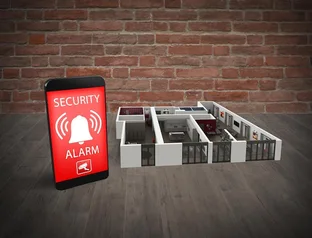
Early warning systems for smart home security
Home, Security and Technology
Identifying security risks when purchasing your new home

Home, Security and Technology
Ensure the safety of your home with accessible and effective technology.
Home, Security and Technology
Key aspects for choosing a safe location when buying a home
Most viewed in Home
Home, Essential Appliances
Appliances that ensure functionality and style in your home

Home, Essential Appliances
Selection of appliances that protect your real estate investment
Home, Organization and Spaces
Discover how to organize your new home to maximize its value.
Home, Entertainment and Technology
Optimize your home with technology that boosts your real estate investment.