
Legal aspects that ensure a hassle-free home purchase
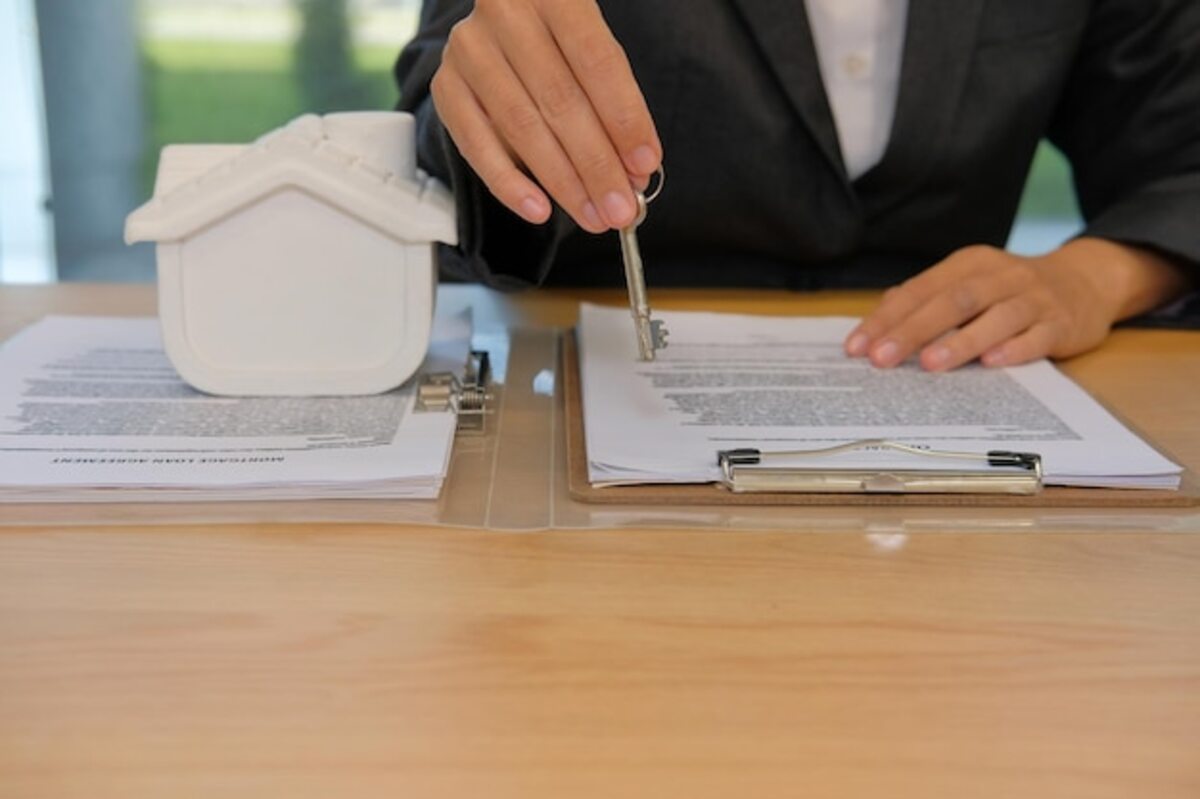
The purchase of a home is one of the most important steps in any person's life, and ensuring that this process is carried out smoothly is essential. Knowing the legal aspects that support your investment not only provides peace of mind but also protects you against potential issues. In this article, we will explore the key elements related to notaries and their crucial role in property acquisition in Costa Rica. Get ready to discover how to secure a safe and successful transaction.
The importance of choosing a reliable notary.
When acquiring a property, choosing a reliable notary becomes a fundamental pillar to ensure a hassle-free transaction. The notary is the institution responsible for providing public faith to legal acts, meaning their intervention guarantees the legality and authenticity of the documents involved in the purchase. Opting for a notary with experience and a good reputation not only ensures that all legal requirements are met but also provides support in case of any future eventualities related to the property. This is especially important in the real estate sector, where the implications of an error can be costly and complex. Additionally, a trustworthy notary offers comprehensive advice during the purchasing process, helping buyers understand each step and clarify any doubts about the contract or specific clauses of the agreement. This includes verifying the legal status of the property, ensuring that there are no hidden charges or encumbrances, and guaranteeing that all documents are properly signed and sealed. By working with a competent professional, buyers can feel confident that they are making informed and secure decisions, significantly contributing to a satisfactory and worry-free purchasing experience.
Advertisements
Required documentation for the purchase of a home
The necessary documentation for the purchase of a property is an essential aspect that should not be underestimated. Before starting the process, it is crucial to gather documents such as the identification cards of both the buyer and seller, as well as the property titles that demonstrate the legality of the property. Additionally, payment receipts for taxes and services must be included, as any outstanding debt can complicate the transaction. Ensuring that you have all this information will prevent unpleasant surprises on the way to your new home.
Another important document to consider is the title study, which provides a comprehensive analysis of the legal situation of the property. This study identifies potential liens or legal issues that could affect your purchase. Additionally, it is advisable to obtain a cadastral certificate and a notarial verification to ensure that the seller is indeed the rightful owner. By making sure you have all this documentation in order, you can proceed with the purchase confidently and minimize unnecessary risks.
Role of the notary in the verification of property titles
The notary plays an essential role in verifying property titles, acting as an impartial intermediary that ensures the legality and authenticity of the documents involved in the transaction. Their work begins with a thorough review of the property title, ensuring that there are no liens, mortgages, or legal disputes that could affect the real estate. This is crucial, as buying a home with a defective title can lead to significant legal problems for the new owner. The notary certifies that the seller has full rights to the property and is authorized to carry out its sale.
In addition to verifying titles, the notary is also responsible for drafting and formalizing the sales contract, ensuring that all terms agreed upon by the parties are clearly established. This document not only has legal validity but also serves as evidence in case of any future eventuality. By signing in front of a notary, both the buyer and seller are protected and have legal backing that can be crucial in the event of future disputes. In summary, the role of the notary is vital to ensure a secure and uncomplicated purchase in the real estate process.
Essential clauses in a sales contract
The essential clauses in a sales contract are fundamental to protect the rights of both the buyer and the seller. Among these clauses, the detailed description of the property stands out, which includes data such as location, dimensions, and specific features, as well as the agreed price and payment terms. It is also crucial to include a delivery clause, specifying the date and manner in which the transfer of the property will take place. These clear stipulations help avoid misunderstandings and future conflicts between the parties involved.
Another vital aspect to consider is the clauses related to warranties and liabilities. For example, it is advisable to establish whether the seller guarantees that the property is free of encumbrances or liens and whether they assume any responsibility for hidden defects that may arise after the sale. Additionally, it is important to include a dispute resolution clause that defines the procedure to follow in case of disagreements regarding the contract. Incorporating these elements into the agreement will provide greater legal security to both parties and facilitate a smoother process during the purchase.
Closing process: what to expect?
The process of escritura is a critical step in the purchase of a home, as it is the moment when the transfer of ownership is formalized. When reaching this stage, it is essential that all documents are in order and that both parties, buyer and seller, are present to sign the escritura before a notary public. This professional not only certifies the act but also verifies that all documentation meets the necessary legal requirements to ensure a transparent and legitimate transaction. It is advisable to have any relevant information about the property, such as plans or previous titles, on hand to facilitate this process.
Once the deed is signed, the next step is its registration in the National Registry. This procedure ensures that the new owner is officially recognized as such and protects their right to the property against third parties. During this time, it is common to wait some period to receive the registration certificate; however, having legal advice can help resolve any questions or issues that arise during this phase. In summary, being well-informed and having a competent notary are key elements to ensure a successful deed process and avoid future complications with your new property.
Taxes and expenses associated with real estate purchase
The purchase of a home not only involves the payment of the property price, but also entails a series of associated taxes and expenses that must be considered in the overall budget. In many countries, among the most common costs are the property transfer tax, known as "income tax" or "transfer tax," as well as notary fees and other administrative charges. These costs can vary significantly depending on the location and local regulations, so it is essential to gather adequate information before making any decision. Good financial planning will help you avoid unpleasant surprises when closing the transaction.
In addition to the mentioned taxes, it is also important to consider other possible expenses that may arise during the purchasing process. This includes fees for legal services if you decide to hire a lawyer to advise you on the review of the contract and other relevant documents. Likewise, you should consider additional costs such as expenses related to the property appraisal, insurance, public records, and any necessary repairs or improvements before moving in. Being aware of these aspects will allow you to make a more informed investment and minimize future risks, thus ensuring a smoother and more fulfilling experience on your path to becoming a homeowner.
How to prevent fraud when buying a property
When buying a property, it is essential to take proactive measures to prevent fraud that could compromise your investment. One of the most important steps is to conduct thorough research on the seller and the property in question. Verify the owner's identity through official documents and ensure that there are no liens or outstanding mortgages on the property. Additionally, consulting with a real estate attorney can provide you with a clear understanding of any potential risks and ensure that all documents are in order before proceeding with the purchase. Another key strategy to avoid fraud is to use the services of a reliable notary public. This professional not only validates the legality of the contract but also carries out the necessary due diligence to ensure that the transaction complies with all local regulations. Always remember to sign clear and detailed contracts that specify all the terms of the sale, as well as the rights and obligations of both the buyer and the seller. Maintaining open and transparent communication throughout the process will allow you to make informed decisions and minimize unnecessary risks.
Rights of the buyer before the notary
The buyer's rights before the notary are fundamental to ensure a transparent and secure transaction in the purchase of a property. First, the buyer has the right to receive clear and detailed information about the terms of the contract, as well as to know the legal status of the property. This includes verifying that there are no encumbrances or liens on it, ensuring that a property free of legal issues is being acquired. The notary acts as an impartial intermediary, safeguarding the interests of both parties and ensuring that all necessary documents are in order before proceeding with the signing.
Additionally, the buyer has the right to request clarifications on any aspect of the notarial process and to have sufficient time to review all documentation related to the purchase. It is essential that the buyer does not feel pressured during this process; their well-being and understanding are a priority. Lastly, it is important to remember that any irregularity detected can be reported to the notary, who has the ethical and legal responsibility to act in accordance with current regulations. Knowing these rights not only empowers the buyer but also contributes to a safer and more trustworthy environment in the real estate market.
The figure of the trust in real estate transactions
The trust has become an essential tool in real estate transactions, especially for those looking to secure their investment effectively. This legal figure allows a third party, known as the trustee, to manage the real estate for the benefit of one or more beneficiaries. By establishing a trust, buyers can protect their assets and ensure that the property is managed according to their wishes. Additionally, this mechanism can be useful in avoiding complications related to inheritances or family disputes, thus providing greater peace of mind to the owner.
Another advantage of the trust is its flexibility in estate and tax planning. Buyers can define the specific conditions under which the property will be managed, giving them additional control over the use and disposition of the property. Likewise, when properly structured, the trust can offer significant tax benefits and facilitate the transfer of properties without the need to go through lengthy judicial processes. In conclusion, considering a trust when making a real estate transaction not only protects your investment but also simplifies the process and provides long-term security.
Conflict resolution: mediation and arbitration in the notarial field
Mediation and arbitration are effective tools for resolving conflicts that may arise during the home buying process. In the notarial field, these alternatives allow the involved parties to reach an agreement without having to resort to judicial instances, which can be costly and time-consuming. The figure of the notary plays a fundamental role in this context, as they act as an impartial facilitator who helps the parties understand their rights and obligations, thereby promoting an amicable solution. This intervention not only saves time and money but also keeps the relationship between buyer and seller on more cordial terms. Moreover, opting for mediation or arbitration ensures greater confidentiality compared to judicial procedures. This is especially relevant in real estate transactions where reputation and privacy can be key factors. By establishing an agreement through these alternative methods, the public exposure of the details of the conflict is avoided and the integrity of both parties is preserved. In this regard, having a notary to facilitate the process can be decisive in preventing future misunderstandings and ensuring a hassle-free purchase.
Advertisements
More in Notaries
Legal Aspects, Notaries
Legal aspects that ensure the protection of your new home
Legal Aspects, Notaries
Legal aspects that ensure your peace of mind when signing a purchase contract

Legal Aspects, Notaries
Legal aspects that ensure clarity in your home purchase.

Legal Aspects, Notaries
Legal aspects that protect your home purchase in Costa Rica
Most viewed in Legal Aspects

Legal Aspects, Deeds
Legal consequences of errors in the drafting of deeds

Legal Aspects, Deeds
Implications of the lack of signature on legal documents

Legal Aspects, Deeds
Importance of writing in the protection of property rights
Legal Aspects, Deeds
The impact of typographical errors in legal writings.