
Discover how to choose the right home for your family in Costa Rica.
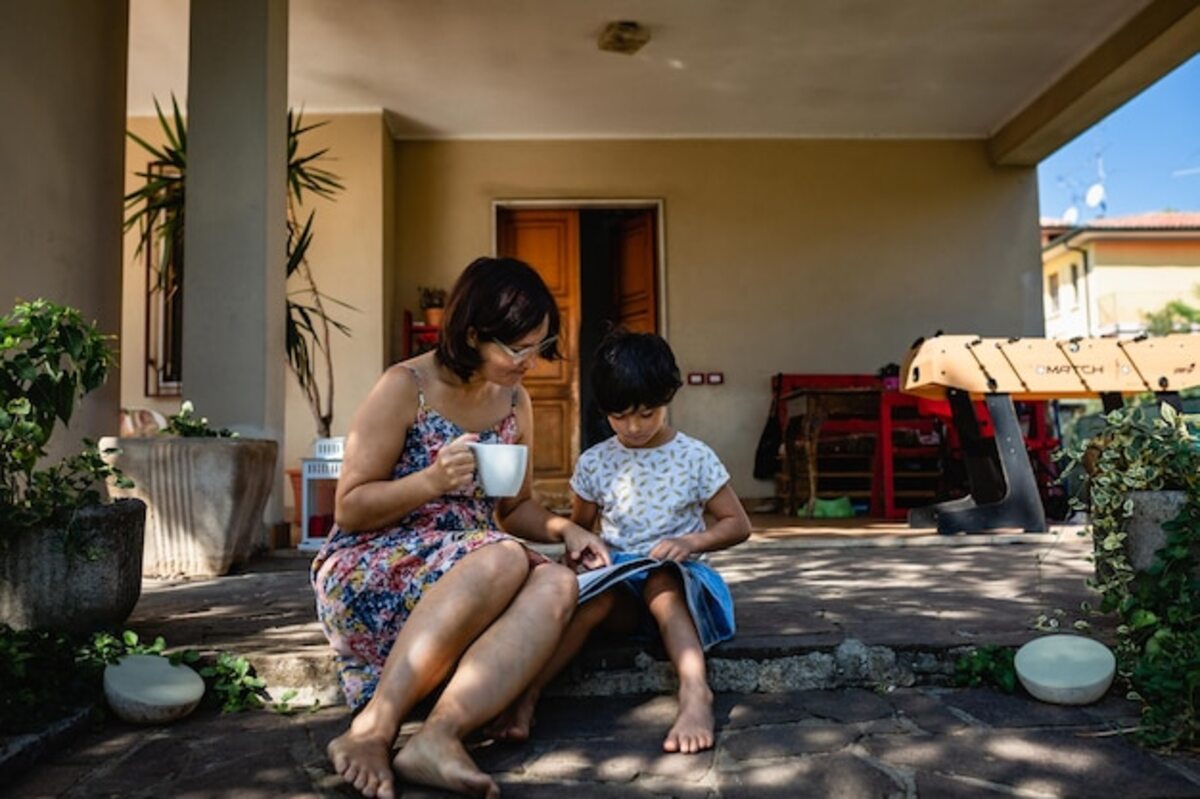
Discover how to choose the right home for your family in Costa Rica. Finding the perfect housing involves not only looking for a beautiful place but also considering crucial factors that ensure the well-being of your loved ones. In this article, we will guide you through the key aspects you should evaluate to make an informed and transformative decision. Get ready to take the first step towards the home of your dreams in this beautiful country!
The importance of location: near schools and services?
Location is one of the most determining factors when choosing a home for your family in Costa Rica. Living close to schools not only facilitates the daily routine but also contributes to the educational and social development of your children. By selecting a neighborhood with good educational institutions, you ensure that your little ones have access to quality education and extracurricular activities that will enrich their upbringing. Furthermore, being near schools can result in less commuting time, allowing for more moments together as a family.
In addition to proximity to educational centers, it is essential to consider accessibility to essential services such as supermarkets, hospitals, and recreational areas. Having these services within reach significantly improves quality of life and provides peace of mind in unforeseen situations. For example, having a nearby medical center can be crucial in family emergencies. Additionally, living close to parks and public spaces promotes an active and healthy lifestyle, allowing both adults and children to enjoy the outdoors and community activities without complications. In summary, assessing location based on these criteria ensures a conducive environment for the holistic growth of your family.
Advertisements
Spaces and distribution: how many rooms do you really need?
When considering the purchase of a home in Costa Rica, it is essential to reflect on the number of rooms you truly need. Each family has its own dynamics and lifestyle, which influences how spaces are utilized. For example, if you have young children, you may need an extra room for play or a study area. On the other hand, if you work from home, having a private office becomes essential. Taking inventory of daily activities and future needs will help you determine how many rooms are essential for your comfort and functionality.
In addition to the number of rooms, it is also important to think about the layout of the spaces within the home. A well-planned design not only maximizes the use of each area but also enhances the quality of life by facilitating family interaction and privacy when necessary. Consider how you want the energy to flow between the different areas: do you prefer an open concept where the kitchen and living room are integrated, or do you value having defined spaces more? The way the rooms are distributed can significantly influence the harmony of the home and its adaptation to your daily routines.
Family budget: how to set realistic limits.
Establishing a realistic family budget is essential when looking for the right home in Costa Rica. Before starting to explore options, it is crucial that all family members participate in an honest assessment of their finances. This includes analyzing income, monthly expenses, and any existing debt. From this review, they will be able to identify how much they can allocate monthly to housing payments without compromising their economic stability or neglecting other important aspects of the home, such as education and health. A clear budget not only helps avoid unpleasant surprises but also provides a framework for making better decisions during the buying or renting process.
Once they have established a realistic financial limit, it will be easier to filter the available options in the Costa Rican real estate market. It is advisable to research the different types of homes and the areas where they are located, as this can significantly influence the total cost. Additionally, they should consider other expenses associated with acquiring or renting a property, such as taxes, utilities, and maintenance. Being aware of these factors will allow them not only to find a home that fits their budget but also to enjoy a more balanced and satisfying daily life in their new environment.
Safety first: low crime areas.
When choosing the right home for your family in Costa Rica, safety is a crucial aspect that cannot be overlooked. There are various areas in the country that stand out for having low crime rates, which significantly contributes to the tranquility and well-being of their residents. When researching different locations, it is essential to consult security statistics and speak with neighbors to get a real impression of the environment. Communities with strong social cohesion tend to be safer, as residents are often more involved in neighborhood watch and care.
In addition to crime statistics, consider the characteristics of the neighborhood that may influence overall safety. Proper street lighting, the presence of police patrols, and well-maintained common areas are indicators of a safe environment. It is also helpful to learn about community initiatives aimed at improving local safety, such as neighborhood groups or crime prevention programs. Choosing a home in a low-crime area not only provides peace of mind but also fosters an environment where your children can grow and play freely, enjoying their childhood without unnecessary worries.
Access to public transportation: ease for daily commutes.
When it comes to choosing the right home for your family in Costa Rica, one of the most important aspects to consider is access to public transportation. The ease of daily commuting not only impacts quality of life but also family routines. Living near bus stops, train stations, or accessible routes can make trips to work, school, or extracurricular activities much simpler and faster. This is especially relevant in a country where traffic can be a challenge, as having efficient transportation options minimizes time lost in transit and allows for more valuable moments with your loved ones.
Additionally, access to a well-developed public transportation system opens the doors to greater mobility and autonomy for all family members. Children can learn to use these alternatives from an early age, fostering their independence and responsibility. Furthermore, this aspect contributes to significant economic savings in expenses related to private vehicles, fuel, and maintenance. When evaluating housing options, make sure to research the available routes and service frequency; this will ensure that your new home is connected to what is essential for your daily life and the overall well-being of your family.
Active lifestyle: green spaces and recreational options.
An active lifestyle is essential for the physical and mental well-being of the whole family, and Costa Rica is a privileged place in this regard. When choosing your home, consider the proximity to green areas such as parks, nature reserves, or trails. These areas not only provide a safe space for children to play and have fun outdoors, but also offer opportunities for family recreational activities like hiking, biking, or picnics. The connection with nature promotes healthy habits and creates a conducive environment to enjoy moments together.
In addition to green areas, it is important to evaluate the recreational options available in the community. Look for neighborhoods that have sports facilities, community centers, or family clubs where you can participate in various activities. From yoga classes to sports leagues, these options not only promote physical exercise but also allow for socializing and forming connections with other residents. An active environment contributes to a better quality of life and ensures that your family can make the most of their free time while exploring everything that Costa Rica has to offer.
Neighborhood assessment: getting to know your future neighbors.
When it comes to choosing a home in Costa Rica, you should not only focus on the internal features of the house but also on the neighborhood that surrounds it. Getting to know your future neighbors can be crucial for the well-being and quality of life of your family. Researching the community will help you better understand its dynamics, values, and lifestyle. You can start by visiting the area at different times of the day and week, so you can observe how residents interact with each other and if there are community activities that promote a sense of belonging.
Additionally, talking to some neighbors can provide you with valuable information about aspects such as the area's safety, nearby schools, and available services like supermarkets or medical centers. Asking about their experiences living in the neighborhood will give you a clearer insight into what you can expect when moving in. Remember that a good neighborhood not only enhances your quality of life but can also positively influence your children's social and emotional development. Choosing your environment wisely is as crucial as selecting the perfect house; both should complement each other to create a harmonious and safe home for your family.
Ecological considerations: sustainable housing in Costa Rica.
When choosing a home in Costa Rica, ecological considerations play a fundamental role, especially in a country recognized for its commitment to sustainability and environmental conservation. Opting for sustainable housing not only benefits the natural environment but can also result in long-term economic savings. Buildings that use recycled or low-impact materials, as well as renewable energy systems like solar panels, are becoming increasingly popular options. Additionally, it is important to assess the location of the home in relation to green areas and natural resources; living near parks or reserves can enhance family quality of life.
Another relevant aspect to consider sustainable housing in Costa Rica is bioclimatic design. This approach seeks to maximize the use of natural resources to maintain internal comfort without excessively relying on artificial systems. The proper orientation of the home, the strategic use of windows and shading to regulate temperature, and adequate ventilation are key elements that not only reduce energy consumption but also contribute to a healthier environment for your family. By prioritizing these ecological features in your housing search, you will be actively contributing to the protection of the exceptional Costa Rican ecosystem while providing a safe and comfortable home for your loved ones.
Legal process: what documents you need to buy or rent.
When buying or renting a home in Costa Rica, it is essential to have the proper documentation to support each step of the process. For a purchase, you will need documents such as the buyer's identity card or passport, the property's title deed, as well as a certificate of free and clear title that ensures the property is free of debts. If you are a foreigner, a tax identification number (NIT) will also be required, and possibly a contract with a real estate agency to facilitate the transaction. Having all this documentation in order not only speeds up the process but also provides peace of mind knowing that you are making an informed decision.
If you choose to rent, the requirements may vary depending on the owner or the real estate agency. However, you will generally need to present your ID or passport, proof of income to demonstrate your financial capacity, and personal or work references. Additionally, it is common to be asked for a deposit as a guarantee and a contract that clearly specifies the conditions of the rental. It is advisable to read this document carefully before signing it to avoid unpleasant surprises in the future. Having these documents will allow you to establish a transparent and trustworthy relationship with the landlord or seller, thereby ensuring a comfortable and safe home for your family.
Advertisements
More in Families and Housing

Lifestyle, Families and Housing
Find your ideal home with advice from local experts.
Lifestyle, Families and Housing
Effective strategies for a safe home purchase in Costa Rica

Lifestyle, Families and Housing
Keys to ensuring a successful purchase of your new home in Costa Rica

Lifestyle, Families and Housing
Strategies to ensure a home purchase that protects your future
Most viewed in Lifestyle

Lifestyle, Urban and Suburban Spaces
Create an urban space that celebrates cultural diversity.

Lifestyle, Pet-Friendly Housing
Find the ideal home that ensures comfort for your pets.
Lifestyle, Families and Housing
Find your ideal home with advice from local experts.

Lifestyle, Pet-Friendly Housing
Creative spaces that adapt your home to your pets