
Tips for navigating the purchase of your home in Costa Rica
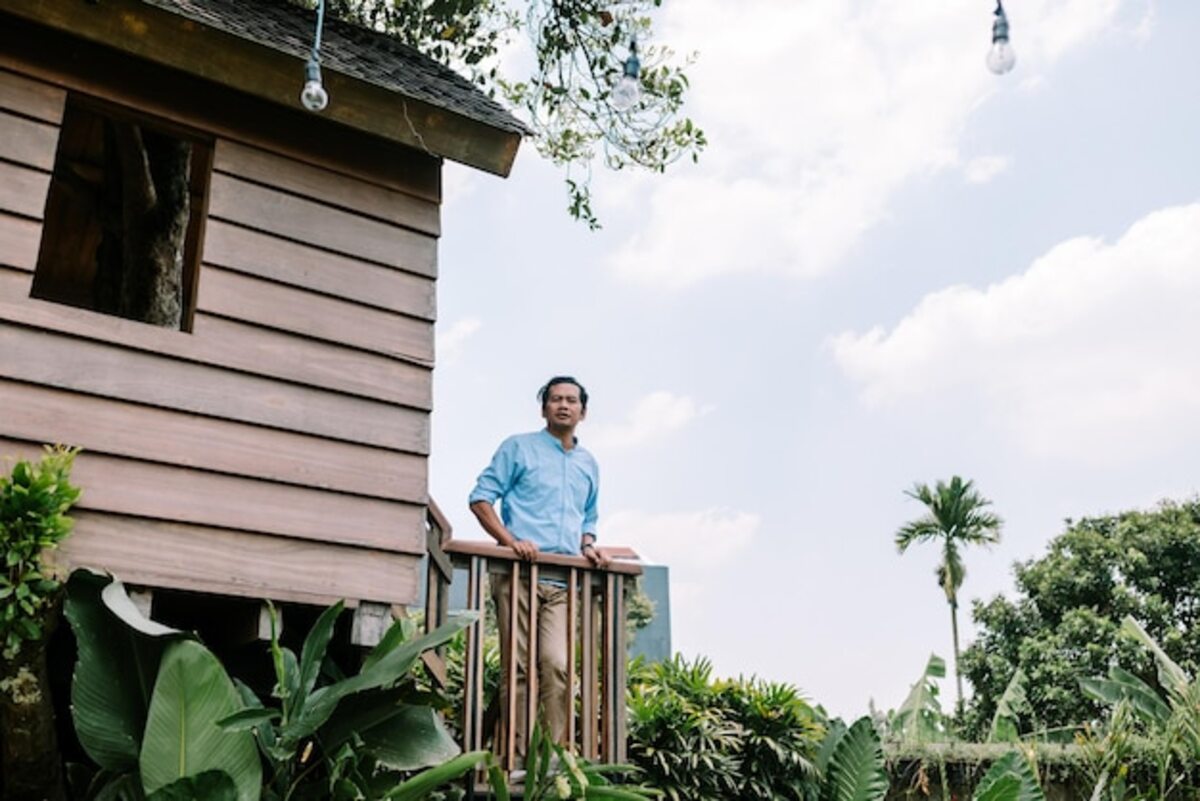
Buying a house in Costa Rica can be an exciting yet challenging journey. With stunning landscapes and a vibrant culture, finding the perfect home for your family is a crucial decision. However, it’s easy to get lost among the available options and legal procedures. In this article, we will provide practical tips that will help you navigate this process with confidence and clarity, ensuring that your investment is not only financially smart but also emotionally fulfilling. Get ready to take the next step towards your new home!
Understanding the Costa Rican real estate market
Understanding the Costa Rican real estate market is essential for any buyer looking to settle in this beautiful country. Costa Rica is characterized by its geographical diversity, ranging from paradise beaches to lush mountains. This variety not only influences property prices but also the supply and demand in different areas. Rural areas may offer more affordable options, while properties in tourist areas like Guanacaste or the central region can be more expensive. Additionally, the growing popularity of ecotourism and international interest in living in Costa Rica have led to an increase in the construction of residences and developments, creating both opportunities and challenges for buyers.
It is crucial to research and understand current market trends before making a purchase. This includes knowing the average value of properties in different locations, as well as being aware of economic factors that may influence prices in the long term. It is also advisable to consider aspects such as local infrastructure, access to basic services, and future projections of urban development. Having a reliable real estate agent can facilitate this task by providing you with updated information and advice on the best options according to your needs and budget. With a solid knowledge base of the market, you will be able to make informed decisions that bring you closer to finding your ideal home in Costa Rica.
Advertisements
Defining your family needs and priorities
When starting the process of buying a house in Costa Rica, it is essential to clearly define your family needs and priorities. Reflect on aspects such as the size of the home, the layout of the spaces, and whether you require specific areas like a garden or a home office. Also consider future needs: if you plan to grow your family or if you want a space that can adapt to changes in family dynamics. Establishing these parameters will help you filter options and prevent you from feeling overwhelmed by the variety of available properties.
Also, do not forget to consider the location and surroundings that best fit your lifestyle. Ask yourself how important it is for you to be close to schools, workplaces, medical services, or recreational activities. Researching local communities can provide you with valuable information about the family environment and the safety of the area. By prioritizing these needs from the beginning, you will be able to make more informed decisions that not only meet your specific requirements but also promote a sense of well-being for your entire family when moving to your new home in this beautiful country.
How to choose the ideal location for your home
Choosing the ideal location for your home in Costa Rica is one of the most important decisions you will make during the buying process. To start, consider your priorities and lifestyle: do you prefer the tranquility of a rural setting, proximity to the beach, or the hustle and bustle of a city? Researching the different regions of the country will allow you to understand the advantages and disadvantages of each area. For example, places like Guanacaste offer beautiful beaches and a touristy atmosphere, while the Valle Central is ideal for those seeking a temperate climate and access to urban services.
Also, do not underestimate the importance of evaluating the infrastructure and services available in the chosen area. Ensure that there are good road connections, access to public transport, and proximity to schools, hospitals, and shopping centers. Also consider the community aspect: researching local customs and the social environment can help you determine if you will feel comfortable and integrated in your new neighborhood. At the end of the day, your home should be a place where you can fully enjoy your new life in Costa Rica.
Considerations on financing and budget
When approaching the purchase of a house in Costa Rica, it is essential to consider financing and budget considerations. Before you start looking for properties, set a clear budget that includes not only the purchase price but also other associated costs such as taxes, notary fees, and maintenance costs. This will give you a more complete picture of what you can truly afford and will help avoid unpleasant surprises along the way. Additionally, it is advisable to research the various financing options available, from traditional mortgages to direct financing with builders or developers.
It is also essential to evaluate your creditworthiness before applying for a loan. Make sure to review your credit history and make any necessary adjustments to improve your score if needed. A good score can open the door to more favorable interest rates, which translates into significant savings in the long run. Consider speaking with financial advisors or real estate agents who are knowledgeable about the Costa Rican market; they can provide you with valuable guidance on what type of financing best suits your needs and which are the most reliable institutions to manage your loan. With proper planning, you will be able to face this process with greater peace of mind and security.
The importance of conducting a property inspection
The importance of conducting a property inspection cannot be underestimated when buying your home in Costa Rica. This process allows you to identify potential structural, electrical, or plumbing issues that could lead to costly repairs in the future. By having a professional inspection done, you will receive a detailed report that provides a clear overview of the property's overall condition, helping you make more informed decisions. Additionally, this can be a negotiation point with the seller, as you can request repairs or adjust the price based on the findings.
It is also essential to remember that the climatic and geographical conditions of Costa Rica can significantly influence the maintenance and durability of a home. Factors such as humidity, heavy rains, and local wildlife can affect both the structure and the internal systems of the house. Therefore, having a thorough inspection not only ensures that you are acquiring a safe place to live but also provides peace of mind knowing that you have made a solid investment in such a unique and attractive environment. Do not spare efforts or resources at this stage; it is a crucial step to avoid unpleasant surprises in your new adventure as a homeowner.
Legal aspects when buying a property in Costa Rica
When considering the purchase of a property in Costa Rica, it is essential to familiarize yourself with the legal aspects that may influence your decision. One of the first steps is to verify the ownership of the property and ensure that there are no liens or legal issues associated with it. To do this, it is advisable to request a registration certificate from the Registro Nacional, where you can obtain information about the property and confirm that it is free of encumbrances. Additionally, having a lawyer specialized in real estate can be invaluable to guide you through this process and avoid unpleasant surprises. Another crucial aspect to consider is the local and national regulations related to real estate. In Costa Rica, foreigners have the right to buy properties without significant restrictions, but it is important to understand the specific regulations that may apply depending on the property's location. This includes knowing the land use plans and any necessary permits if you plan to make modifications or developments on the property. Staying informed about these aspects will allow you to make informed decisions and protect your long-term investment.
Finally, do not forget to carefully review all the contracts involved before signing them. This includes the purchase agreement, where all the agreed terms and conditions between both parties must be clearly stipulated. It is essential to read each clause carefully and ensure that all your questions are answered by your lawyer before proceeding. A proactive approach to these legal aspects will not only provide you with peace of mind during the process but also help you fully enjoy your new home in this beautiful country.
Working with real estate agents: what to expect?
7. Working with real estate agents: what to expect? When considering the purchase of a home in Costa Rica, working with a real estate agent can be one of the smartest decisions you make. A good agent not only has a deep understanding of the local market but can also provide you with valuable insights about neighborhoods, prices, and current trends. Before choosing your agent, it is advisable to research their credentials and experience in the specific area where you wish to buy. A well-trained professional will not only guide you in searching for properties that meet your needs and budget but will also help you avoid common mistakes that can arise during the process.
Open and clear communication with your real estate agent is crucial to ensure a smooth experience. Don't hesitate to express your expectations, preferences, and any concerns you may have. A good agent will be willing to listen and adjust their approach to meet your requirements. Additionally, you should expect to receive support throughout the negotiation and closing process, as well as advice on legal and financial aspects relevant to purchasing real estate in Costa Rica. With a reliable ally by your side, you will be able to navigate the challenges of the real estate market with greater confidence, getting closer to that dream home in this beautiful country.
Housing options: new houses vs. used properties
When considering the purchase of a home in Costa Rica, one of the most important decisions you'll face is choosing between new houses and used properties. New houses often offer attractive benefits such as modern designs, efficient technology, and the possibility to customize finishes, which can be a big appeal for those looking for a home that fits their specific needs. Additionally, they often come with warranties that can provide peace of mind regarding potential structural or maintenance issues in the first few years. However, it is essential to evaluate the location and development of the area, as some emerging zones may take time to mature and fully develop. On the other hand, used properties can offer significant advantages in terms of price and unique features. Many older homes have a special charm, solid constructions, and established locations close to essential services like schools and hospitals. They also tend to have established gardens or larger plots that may not be available in new developments. However, it is important to conduct a thorough inspection to identify any necessary repairs or hidden issues before making an offer. Ultimately, both new houses and used properties have their pros and cons; the key is to define your personal and financial priorities to make the most suitable decision for you and your family.
Strategies for negotiating the best price
Negotiating the price of a property in Costa Rica can be an art, but with the right strategies, you can ensure you get the best deal possible. Before you start your negotiations, it is essential to conduct thorough research on the real estate market in the area you are interested in. Knowing the average prices of similar properties will give you a solid foundation to argue your proposal. Additionally, consider factors such as the condition of the home and how long it has been on the market, as a property that has been available for a long time may be more willing to negotiate its price.
Another key aspect in negotiation is building a good relationship with the seller or real estate agent. Open and honest communication can create a conducive environment for reaching a mutually beneficial agreement. Don't hesitate to ask questions about the property and express your concerns; this will not only show your genuine interest but also allow you to better understand the seller's motivations. Finally, always maintain a flexible attitude and be willing to compromise; sometimes, accepting small concessions can lead you to achieve a significant discount on the final price of your new home.
Adapting to Life in Costa Rica: Practical Tips
Adapting to life in Costa Rica involves more than just finding a place to live; it is about integrating into a rich and diverse culture. One of the first recommendations is to learn about local customs and the Spanish language, which will not only facilitate communication but also allow you to establish closer relationships with your neighbors. Participating in community activities, such as fairs or festivals, can be an excellent way to make friends and feel part of the environment. Remember that ticos are known for their kindness and hospitality, so don't hesitate to approach them.
Also, consider the importance of the Costa Rican lifestyle when choosing your home. Life here often revolves around nature and the outdoors; therefore, looking for a property near beaches, mountains, or national parks can enhance your quality of life. Also, evaluate practical aspects such as proximity to essential services like supermarkets, hospitals, and schools. Finally, keep in mind that the tropical climate may require certain adaptations in your home to keep it comfortable year-round, such as adequate ventilation or minimal heating systems. With these practical tips, you will be better prepared to fully enjoy your new life in Costa Rica.
Advertisements
More in Families and Housing
Lifestyle, Families and Housing
Find your ideal home with advice from local experts.
Lifestyle, Families and Housing
Effective strategies for a safe home purchase in Costa Rica

Lifestyle, Families and Housing
Keys to ensuring a successful purchase of your new home in Costa Rica

Lifestyle, Families and Housing
Strategies to ensure a home purchase that protects your future
Most viewed in Lifestyle

Lifestyle, Urban and Suburban Spaces
Create an urban space that celebrates cultural diversity.

Lifestyle, Pet-Friendly Housing
Find the ideal home that ensures comfort for your pets.
Lifestyle, Families and Housing
Find your ideal home with advice from local experts.

Lifestyle, Pet-Friendly Housing
Creative spaces that adapt your home to your pets