


How to choose a condominium: fees, bylaws and management
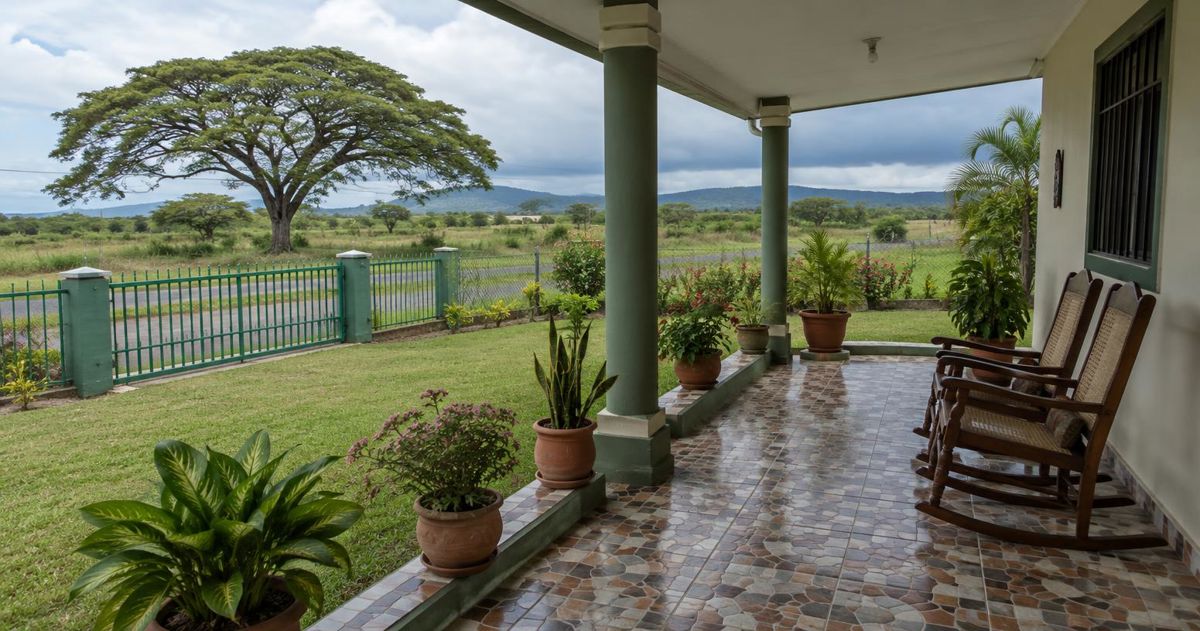
Buying an apartment in a condominium in Costa Rica means buying two things at once: your own unit, known here as a filial, and a share of a complex that all the owners pay for and manage together. This guide is for anyone comparing options who wants to know what to check before signing: the maintenance fee, the bylaws, the management, the common areas, security and any debts the seller may be carrying.
What changes when you buy into a condominium?
| Type | Median | Typical range | Price per built m² | Listings |
|---|---|---|---|---|
| Apartments | US$190k | US$145k – US$290k | US$2,049 | 2,618 |
The main advantage is sharing what a single family could not afford: security, green areas, a pool, a gym, lifts or an events room. Upkeep of the building or the complex stops being your concern alone and passes to a management that the owners hire. For many buyers in the Central Valley, and in the beach areas too, that is the reason to prefer a condominium over a stand-alone house: fewer day-to-day chores and well-kept common spaces.
The other side is the obligations. Under article 13 of the Condominium Property Law (Law 7933), every condominium owner must pay the costs of administering, maintaining and operating the common property and services, and giving up the use of the common areas does not release him from paying the maintenance fees. You also buy into rules that are already written: the bylaws decide what you may do in your unit and in the shared spaces. Before settling on an apartment, it is worth reading those rules as closely as the floor plan.
Not all condominiums are alike. In practice people speak of three types: the vertical one, which is the tower or apartment building divided by floors; the horizontal one, which groups one- or two-storey houses or apartments around streets and common areas; and the lot condominium, where each unit is a plot of land and each owner builds within the rules of the complex. Each type calls for checking different things, as the following table summarises.
| Type | What it is | What to check most carefully |
|---|---|---|
| Vertical | A building or tower with apartments by floor | Lifts, water pumps, facade, parking and noise between floors |
| Horizontal | One- or two-storey houses or apartments with streets and common areas | Internal streets, drainage, green areas and perimeter security |
| Lots | Plots within a complex where each owner builds | Building rules, available services and the fee while the lot is empty |
To get your bearings, the table in this section shows the asking prices for apartments for sale across the country this month, and the breakdown by area is on the page of apartment prices in Costa Rica. If you already have an area and a budget in mind, you can browse the condos & apartments for sale in Costa Rica and note, for each one, what type of condominium it is in and what fee it charges.
Should you buy off-plan or in a finished condominium?
Buying pre-sale or under construction usually lets you choose the unit, the floor or the view, and sometimes pay in instalments as the work progresses. The risk is that you are buying something that does not exist yet. Check the developer's track record and the projects it has already delivered, ask for the approved plans and the building permits, and make sure the contract states clearly the delivery date, the finishes and what happens if there are delays. Ask as well whether the bylaws are already drafted and what the estimated fee will be once the condominium is fully running.
In a finished condominium you see what you are buying: the real condition of the building, how the finishes age, whether the common areas are used and how they are kept. There is also a history to review: minutes of owners' meetings, financial statements, fee increases, special levies and the level of arrears. A condominium with years of operation and orderly finances tells you more than any pre-sale brochure; one with problems shows them too, if you ask.
| Aspect | Under construction | Already finished |
|---|---|---|
| Who answers for it | The developer and its track record | The management and the owners' assembly |
| Documents | Plans, permits and purchase contract | Bylaws, minutes and financial statements |
| Fee | Estimated fee and how it was calculated | Current fee and history of increases |
| Physical condition | Progress of the work and promised finishes | Actual upkeep of the building and common areas |
If your budget is tight, the cheap condos & apartments for sale in Costa Rica may include units in older condominiums. A low price is not a problem in itself, but in those cases the review of the physical condition and the finances matters more: a special levy to replace a lift or waterproof a roof can change the numbers of the purchase.
What does the maintenance fee cover and how do you assess it?
The fee is each unit's share of the costs of administering, maintaining and operating what is held in common. In practice it usually covers security, cleaning, gardening, electricity and water for the common areas, upkeep of lifts, pumps and the pool, building insurance where it exists, the management's pay and, in well-run condominiums, a contribution to a reserve fund for major repairs. What it includes varies from one condominium to another, so do not compare fees without also comparing what they pay for.
To assess it, ask for the annual budget approved by the assembly and see where the money goes. A low fee may be good news or a sign that maintenance is being put off; a high one may be justified by services you will use. Ask how much it has risen in recent years, whether there have been special levies and what for, and whether major works are pending. Add the fee to your loan payment when you draw up your budget: it is a fixed cost that cannot be negotiated later. Before making an offer, ask the seller or the management for this information:
- The annual budget and the latest expense report
- The history of the fee and of special levies
- The balance of the reserve fund, if there is one
- The approximate share of owners in arrears
- Major works approved or pending
Other owners' arrears affect you too: if some do not pay, the rest cover the gap or maintenance falls behind. The law gives the management a strong collection tool: under article 20 of that law, unpaid condominium fees, with their fines and interest, form a mortgage-type lien on the unit, ranking behind only the property tax lien, and the certificate of the debt issued by an authorised public accountant is an enforceable mortgage title. Ask whether the management uses that route or lets the debts grow.
What should you check in the bylaws and the management?
The bylaws are the condominium's rulebook for living together and are not negotiated when you buy. Under articles 27, 33 and 34 of Law 7933, with article 27 as amended by Law 10229, anyone who buys into a condominium is bound by the existing bylaws, which cover, among other things, the fees, the use of common areas and penalties. The owners' assembly may change them with votes representing at least two thirds of the total value of the building, plus 50% of the remaining votes if one owner holds 50% or more of the value, and every change is recorded in the Real Estate Registry.
Ask for the current version with its amendments and read it in full before signing. Look for what touches the way you live: whether pets are allowed and on what terms, whether the unit can be rented out and for how long, which renovations need permission, the hours for noise and moving, the use of visitor parking and the fines for breaking the rules. If you plan to rent the apartment to tourists or by the season, confirm that the bylaws allow it: it is one of the restrictions that most surprises buyers.
The management is what enforces those rules and handles the money. Find out whether it is run by a company or by an owner, since when, and how it reports to the assembly. Ask for the minutes of the latest owners' meetings: that is where the conflicts, the works under discussion, the repeated complaints and the fee changes appear. Ask also for recent financial statements and whether the condominium has any open lawsuits, for or against it. A management that hands over that information without hesitation is, in itself, a good sign.
What should you look at on a visit: common areas, security and parking?
Visit the condominium more than once and at different times, not just the show flat or the unit for sale. Walk through the common and green areas: the condition of the pool, the gym, the playground, the corridors and the stairs; damp stains on ceilings and walls; whether the gardens are kept or neglected. In the rainy season, which in much of the country runs from May to November, watch the drainage and whether water pools in the parking areas or on the internal streets.
On security, ask how access for visitors and delivery drivers is controlled, whether the guards come from a company or are the condominium's own staff, what hours they cover and whether there are cameras at the entrances. Check the condition of the gates, the fences and the perimeter lighting. On parking, confirm how many spaces belong to the unit, whether they are assigned on the plan or shared, whether there is visitor parking and whether charging an electric car is allowed. These questions help structure the conversation with the seller or the management:
- How many parking spaces are assigned to the unit and where are they?
- How are visitors logged in?
- Which common areas must be booked and at what cost?
- When was the building's last major maintenance?
What happens if the seller is behind on the fees?
It is one of the most important questions, and the law answers it directly. Under article 21 of Law 7933, anyone selling a condominium unit must give the notary a certificate from the administrator that the fees are paid up; if they are in arrears, the buyer becomes jointly liable for the certified amount, though he may recover from the seller what he has to pay for it. Remember too that, as the section on the fee explains, the debt weighs on the unit as a lien.
In practice, the prudent course is not to leave this matter for signing day. These steps organise the review:
- Ask the seller, from the first offer, for a fee statement issued by the management.
- Agree in writing that any outstanding balance is paid before signing or deducted from the price.
- Confirm with your notary that he receives the administrator's certificate that the fees are paid up.
- Ask whether any special levies have been approved but not yet charged.
- Keep a copy of the certificate and of the first fee receipt in your name.
If the seller cannot obtain the certificate or the statement, treat it as a warning sign and consult a lawyer before going any further.
What we would do before choosing a condominium
- Compare two or three condominiums in the same area with the same checklist: fee, what it covers, bylaws and condition of the common areas.
- Ask for the bylaws, the minutes and the financial statements before making an offer, not afterwards.
- If you are torn between buying and renting a while longer, also look at the cheap condos & apartments for rent in Costa Rica and compare that cost with the fee plus the loan payment.
- Insist on the certificate that the fees are paid up and put in writing who pays any outstanding balance.
- Ask a lawyer or notary to review the bylaws and the unit's status before signing.
Frequently asked questions
How can you get to know life in the condominium before buying?
Talk to neighbours in the common areas or at the entrance, ask the guard what daily life is like and read the minutes, which show the repeated complaints. Visit on a Friday night and at a weekend to gauge the noise. If you have time, renting for a few months in the same condominium is a direct way to get to know it: among the condos & apartments for rent in Costa Rica there are sometimes units in the complex you are interested in.
Can you stop paying the fee if you do not use the pool or the gym?
No. As explained above, every condominium owner must pay the costs of administering, maintaining and operating the common property and services, and giving up the use of the common areas does not release him from paying the maintenance fees. That is why it is worth weighing, before buying, whether the amenities that push the fee up are the ones you will actually use.
Can the bylaws change after you buy?
Yes. The owners' assembly may change them with votes representing at least two thirds of the total value of the building, plus 50% of the remaining votes if one owner holds 50% or more of the value, and every change is recorded in the Real Estate Registry. That is why recent minutes are useful: they show whether any proposed changes under discussion could affect the use you plan to make of your apartment.
Which type of condominium suits you?
It depends on how you live. A vertical condominium usually offers more security and less upkeep of your own, in exchange for fees that include lifts and pumps. A horizontal one offers more space and privacy, with streets and green areas that are also paid for by everyone. A lot condominium lets you build as you like, but within the rules of the complex and with the maintenance fee that, like every owner, you also have to pay.
This guide summarises practice when buying into a condominium in Costa Rica and the rules of Law 7933 that weigh most on that decision, based on the text consulted in November 2026. It is no substitute for the advice of a lawyer or a notary, who should review the bylaws, the unit's registry status and the fee certificate before signing.
More in Living in Condominiums

Most viewed in Lifestyle

Lifestyle, Costa Rica calendar
Blue November in Costa Rica: origin, history and figures

Lifestyle, Costa Rica calendar
International Men's Day: history and figures for Costa Rica
Lifestyle, Pet-Friendly Housing
A home to live with pets: what to check before renting

Lifestyle, Costa Rica calendar
Oxcart Day in Costa Rica: history of the carreta and figures