


A home to live with pets: what to check before renting
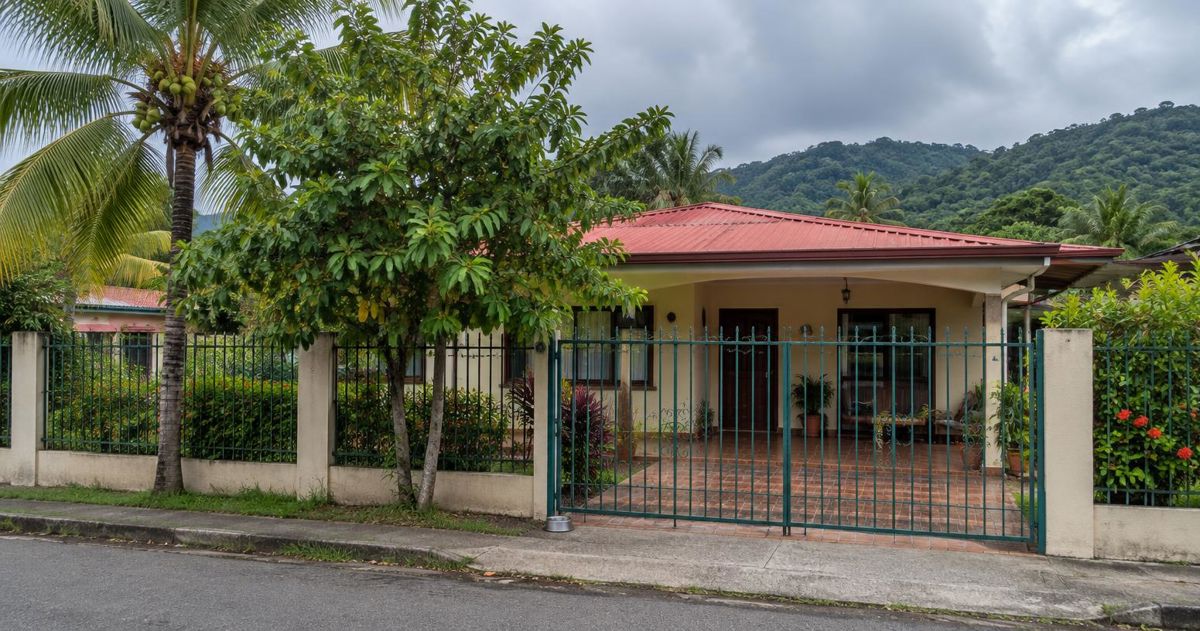
Choosing a home to live with pets in Costa Rica means looking beyond the bedrooms: the yard, the fences, the neighborhood and, above all, what the condominium bylaws and the lease allow. This guide is for anyone renting or buying with a dog or a cat who wants to avoid surprises: what to check before signing, how to prepare the home and how to get along with the neighbors.
What should a home have to live with a pet?
The first thing is space, and it depends on the animal. A large or very active dog needs an enclosed yard or garden to move around during the day, on top of its walks. A small dog or a cat can live well in an apartment, as long as they have a routine, play and outings. Before falling for a house, think about what your pet is like today and what it will be like in a few years: a puppy grows, and an older dog may struggle with stairs.
Then come the materials. Ceramic or porcelain tile floors stand up to claws, hair and accidents better than wood or carpet, and they are easy to clean. A covered porch is very useful in Costa Rica: in the Central Valley and on the Pacific coast it rains almost every afternoon from May to November, and the animal needs a dry spot. In hot areas, such as Guanacaste or the Puntarenas coast, shade and ventilation matter as much as the size of the yard.
| Pet | Space that usually works | What to check on the visit |
|---|---|---|
| Large or very active dog | House with an enclosed yard or garden | Fence height, a gate that closes well, shade |
| Small or calm dog | Small house or apartment | Nearby park, sidewalks for walks, building noise |
| Cat | Apartment or house | Windows and balconies with screens, high spots |
| Birds or small animals | Apartment or house | A place without drafts or direct sun all day |
When going through the homes for rent in Costa Rica, it is worth reading the description for a yard, garden, porch or enclosed carport, and asking the advertiser before visiting whether the owner accepts pets. It saves trips: many homes that look ideal are ruled out in the first call. On the visit, walk the whole yard, look at the base of the fences and open and close the gate: that is where most dogs escape.
What should you check in the neighborhood before moving with a pet?
The house is only half of it: your pet will also live in the neighborhood. Look for a park, a plaza or a quiet street a few blocks away for daily walks, and sidewalks in good condition. Find the nearest veterinary clinic and, if possible, one that handles emergencies at night or on weekends. Pay attention to traffic: a house facing a main road or a bus route is a risk if the gate stays open for a second.
- A park or green area nearby for walks
- A veterinary clinic close by and an emergency one located
- Traffic on the street in front of the gate
- Loose dogs on the street or at neighboring houses
- Neighborhood noise, which can frighten some animals
Visit the neighborhood twice, once in the morning and once in the late afternoon: you will see when the cars go by, whether there are loose dogs and how much noise there is. Also look at how neighbors live together: houses very close to each other, with shared walls, call for more care with barking. If you are looking for a more natural setting, our article on La Fortuna as a place to live with pets describes day-to-day life with animals in the northern zone, near the Arenal volcano.
Conflicts with neighbors almost always come from three things: barking during rest hours, waste nobody picks up and dogs off the leash in shared areas. The prudent thing is to introduce yourself on arrival, leave a phone number in case the animal gets out, always pick up waste on the street and not leave the dog alone for many hours in the yard, which is when it barks the most.
What should you check in the condominium bylaws before arriving?
In Costa Rica, anyone who buys into a condominium is bound by the existing bylaws, which cover, among other things, the fees, the use of common areas and penalties, under articles 27, 33 and 34 of the Condominium Property Law (Law 7933), with article 27 as amended by Law 10229. That is why, before buying with a pet, you should ask for the full bylaws and read what they say about animals: what the seller or the guard tells you is not enough.
The bylaws are not permanent either. Under that same article 27, the owners' assembly may change them with votes representing at least two thirds of the total value of the building, plus 50% of the remaining votes if one owner holds 50% or more of the value, and every change is recorded in the Real Estate Registry. It is worth asking for the current version and asking the administrator whether any amendment is under discussion. If you plan to buy, the homes for sale in Costa Rica inside a condominium deserve that reading before any offer.
- Whether pets are allowed and whether their number, species or size is limited
- Whether a leash or muzzle is required in common areas
- Which areas animals may use and which they may not
- How waste is handled and who cleans up
- What penalties apply and who imposes them
If you rent a house inside a condominium, the prudent thing is to ask the owner for a copy of the bylaws before signing, because the rules for common areas are the ones you will live with every day. Keep in mind, too, that under article 13 of Law 7933 every condominium owner must pay the costs of administering, maintaining and operating the common property and services, and giving up the use of the common areas does not release him from the fees. Who covers that fee in a rental is something worth making clear in the lease.
What is worth agreeing in writing with the owner?
A phone call saying it is no problem protects no one. If the owner accepts your pet, the sensible thing is for the lease to say so clearly: which animal, how many and what size. That way, if the house changes owner or manager, nobody can claim they did not know. It is also worth agreeing on what happens with damage the animal causes, how the house is handed back at the end and whether the owner asks for any additional deposit, with its amount and return conditions in writing.
- Mention the pet from the first conversation, before visiting the house.
- Ask for the lease to include a clause with the species, number and size of the animals allowed.
- Take photos and make an inventory of the condition of floors, doors, fences and garden when you receive the house, signed by both parties.
- Agree in writing who pays for repairs from damage caused by the animal and how the house is cleaned when handed back.
- Keep a signed copy of the lease and of any later agreement.
These clauses work just as well in a large house as in a simple one. If your budget leads you to look among the cheap homes for rent in Costa Rica, ask the same questions: a yard without a solid fence or a gate that does not close can turn out expensive if it has to be repaired. If the owner proposes conditions you do not understand, or you want to know what each party can demand, consult a lawyer before signing.
How should you prepare the home and the move with a pet?
The move starts before the truck. Take your pet to the vet a few weeks ahead to check vaccinations and, if it is a long trip, ask how to transport it. Put a tag with your phone number on the collar and get the animal used to the carrier in advance. On moving day, among boxes and open doors, the safest thing is to keep it in a closed room or with someone you trust, and bring it to the new home once the furniture is in place.
Before it arrives, adapt the home. Check that the fences have no gaps or loose boards and that the gate closes by itself or with a sturdy latch. If you have a cat, put screens on windows and balconies. Make sure there is a spot with shade and fresh water all day, especially on the Pacific coast and in Guanacaste, and a covered corner for downpours. Washable rugs help on slippery floors, and a play area, even a small one, reduces boredom and damage.
- Toxic plants in the garden or in pots: ask the vet which ones to remove
- Cleaning products, insecticides and rat poison, stored up high or locked away
- Electrical cables and chargers, tidied away or protected
- Trash cans with lids, especially in the kitchen
- Open tanks, sinks or drains the animal could fall into
Once in the house, adapting takes patience. From day one, set up a corner with its bed, its water and something with a familiar smell, and keep the meal and walk times it had before. The first walks around the neighborhood are best kept short and on a leash, so the animal gets to know its new street. It is normal for it to be restless for a few days; if the change drags on or it stops eating, consult the vet.
What we would do
- We would ask whether pets are accepted before every visit and rule out, without regret, the homes where the answer is vague.
- We would ask for the full condominium bylaws and read them before signing or making an offer, and use the home prices in Costa Rica to compare if buying is the plan.
- We would put in writing the owner's permission, the move-in inventory and who pays for damage caused by the animal.
- If the goal is to buy on a tight budget, we would look at the cheap homes for sale in Costa Rica for an enclosed yard before built square meters.
- We would adapt fences, shade and household hazards before bringing the pet, not after.
Frequently asked questions
How can you help your pet adjust to the new home?
Routine helps the most. Keep the same meal and walk times it had before the move, and from day one set up a corner with its bed, its water and something with a familiar smell. Keep the first walks around the neighborhood short and on a leash, so it gets to know its new street. A few restless days are normal; if the change drags on or the animal stops eating, the right step is to consult the vet.
How can you avoid conflicts with neighbors over your pet?
Most friction comes from barking during rest hours, waste left behind and dogs off the leash in shared areas. Introduce yourself on arrival and leave a phone number in case the animal gets out. Always pick up waste on the street and avoid leaving the dog alone for many hours in the yard. In a condominium, it is also worth following what its bylaws provide on the use of common areas.
Can a large dog live in an apartment?
It depends on the dog and on the time you can give it. A large or very active dog is usually better off in a house with an enclosed yard or garden, where it can move around during the day. In an apartment it needs long, frequent walks, a park nearby and someone at home much of the time. Before deciding, also check the building's bylaws, which may cover the use of common areas.
Can the condominium change its bylaws after you arrive?
Yes. As explained above, the owners' assembly may change the bylaws with votes representing at least two thirds of the total value of the building, plus 50% of the remaining votes if one owner holds 50% or more of the value, and every change is recorded in the Real Estate Registry. That is why it is worth asking for the current version and asking the administrator whether any amendment is under discussion. For your specific case, consult a lawyer.
This guide summarizes common practice in Costa Rica for renting or buying a home with pets and does not replace the advice of a lawyer or a notary, who can review your specific lease or your condominium's bylaws.
More in Pet-Friendly Housing

Most viewed in Lifestyle

Lifestyle, Costa Rica calendar
Blue November in Costa Rica: origin, history and figures

Lifestyle, Costa Rica calendar
International Men's Day: history and figures for Costa Rica

Lifestyle, Costa Rica calendar
Oxcart Day in Costa Rica: history of the carreta and figures

Lifestyle, Costa Rica calendar
Costa Rica's rainy season: month by month, with figures