
Find the ideal home that fosters a safe environment for your pets.
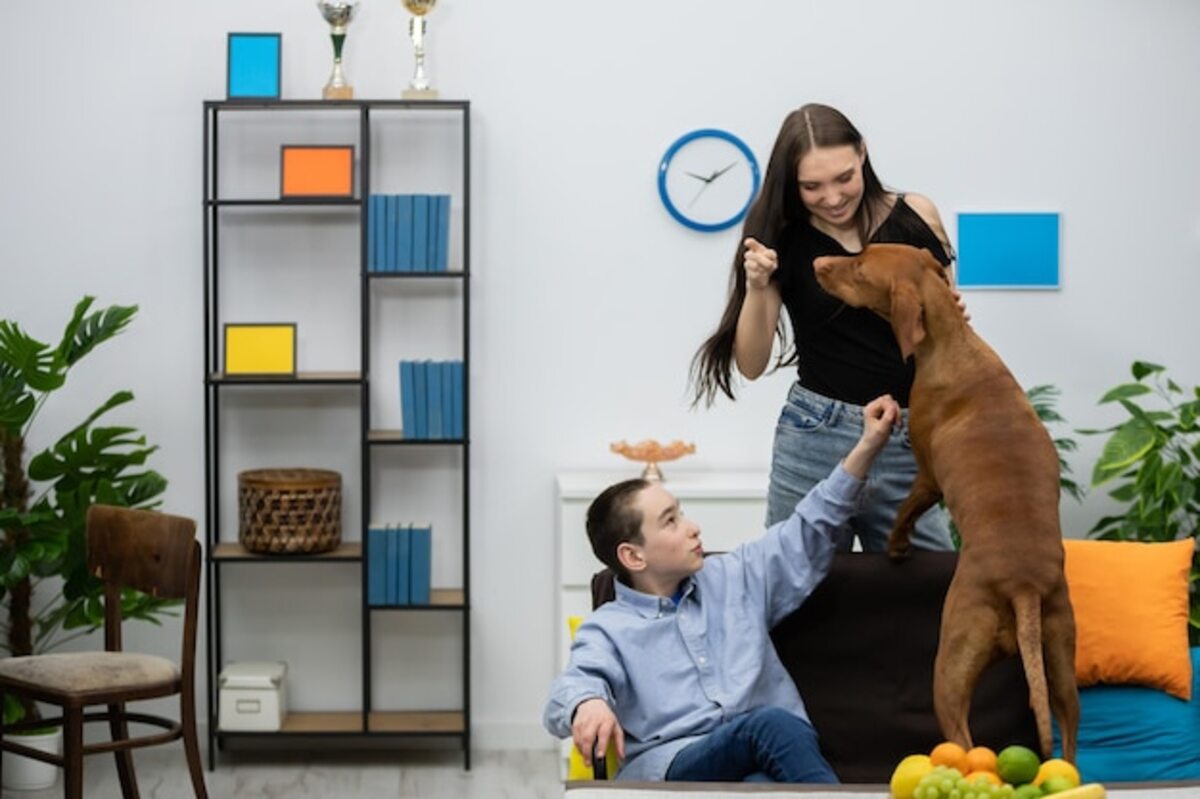
Find the ideal home that fosters a safe environment for your pets. If you are an animal lover, you know that every corner of your home should be a safe and welcoming refuge for them. Choosing a pet-friendly dwelling not only enhances your pets' quality of life but also brings you peace of mind and happiness. In this article, we will explore how to find that perfect space where both you and your furry friends can enjoy to the fullest without worries. Discover how to make your home an ideal place to live with your loyal companions!
Essential features of a pet-friendly home
A pet-friendly home should have features that prioritize the safety and well-being of our pets. A spacious and well-distributed area allows animals to move freely, exploring every corner without risks. It is essential to consider the choice of materials for the floor, such as tiles or laminate flooring, that are easy to clean and scratch-resistant. Additionally, windows should have protections to prevent accidental falls, while balconies should have secure railings to ensure that our furry friends cannot escape or suffer accidents.
The inclusion of specific areas for pets can transform a home into a true sanctuary. Spaces like play zones or dedicated corners for resting are ideal for meeting their physical and emotional needs. It is also important to consider natural lighting; a well-lit house not only enhances the mood of your animal companions but also reduces the risk of accidents in dark spaces. Finally, having a fenced garden or access to safe outdoor areas can significantly improve the quality of life for your pets, providing them with a place to run and play without worries.
Advertisements
How to assess the safety of outer space
When assessing the safety of the outdoor space of your home, it is essential to conduct a thorough analysis of the surroundings. Start by examining the property’s fencing; ensure it is high and sturdy enough to prevent your pets from jumping or digging their way out. Check the doors and gates as well; they should have secure locking mechanisms to prevent accidental openings. Consider whether there are gaps in the fencing where your pet could slip through or get stuck. A well-enclosed garden not only protects your animals but also allows you to enjoy their company without worries. Additionally, evaluate the immediate environment of your home. Pay attention to potential hazards such as busy roads, areas with hazardous chemicals, or toxic plants. It is advisable to maintain a safe distance between your home and places where there may be other wild or aggressive animals, as this can jeopardize the safety of your pets when they are outside. Finally, consider the lighting of the area; a well-lit space is not only safer during nighttime hours but also allows you to better supervise your furry friends while they play outdoors. With these measures in mind, you can create a safe and welcoming outdoor environment for all members of your family, including your beloved pets.
Recommended materials and finishes for homes with pets
When selecting materials and finishes for a home with pets, it is crucial to choose durable and easy-to-clean options. Vinyl or ceramic flooring is an excellent choice, as they are stain and water-resistant, making it easier to clean up accidental spills. Additionally, finishes in dark tones or camouflage patterns can hide dirt and hair, thus maintaining a neater appearance. On the other hand, carpets should be chosen carefully; those made of synthetic fibers like polyester are more resistant to stains and abrasion, making them an ideal choice for active homes.
When it comes to furniture, it is recommended to choose fabrics that are water-repellent or have stain-resistant treatments. Materials like microfiber or synthetic leather are not only easy to clean but also better withstand scratches and wear caused by our pets. Additionally, consider furniture with raised legs to facilitate cleaning underneath and avoid hair accumulation. By choosing neutral colors or subtle patterns, you can create a harmonious environment while minimizing the visibility of pet hair. With these recommendations, you can enjoy an aesthetic and functional home without compromising the well-being of your furry friends.
Interior spaces: animal-friendly design and layout
When designing a home that is pet-friendly, it is essential to consider the layout of the interior spaces. Open and fluid areas allow your animals to move freely, exploring without restrictions and avoiding the risk of accidents in dark or narrow corners. Think about creating specific zones for playing, resting, and feeding, ensuring that each area is equipped with elements that promote their well-being, such as comfortable beds, accessible toys, and feeders in quiet places. Additionally, opting for durable and easy-to-clean furniture can be a great help in keeping your home tidy while enjoying the company of your loyal friends.
The choice of materials also plays a crucial role in the interior design of a pet-friendly home. Look for durable flooring that is stain-resistant and easy to clean, such as ceramics or pet-specific laminates. At the same time, consider safety when selecting decorative products; avoid fragile objects that can break easily or toxic substances that may harm your furry companions. With thoughtful layout and suitable materials, you can create an environment where both you and your pets feel comfortable and safe in every corner of the home.
The importance of green spaces and their accessibility
Green spaces are an essential component in the search for an ideal home for you and your pets. They not only provide a space where animals can run, play, and explore, but they are also fundamental for their physical and mental well-being. A natural environment stimulates their senses and provides opportunities to socialize with other dogs, which supports their emotional development. Additionally, having access to nearby parks or gardens can mean less stress for both you and your pet, as you can enjoy peaceful walks and moments of recreation without straying too far from home. Accessibility to these green areas is equally important. Having a nearby park or community garden makes the daily routine of walks and exercise necessary to keep your furry friends healthy and happy easier. This not only translates into physical benefits but also fosters a more harmonious coexistence among the members of your animal family. When considering a pet-friendly home, be sure to assess the proximity to safe outdoor spaces, as well as the quality of these places; a well-maintained environment will always be more appealing and inspiring for both you and your loyal companions.
Tips for adapting your home to the specific needs of each pet
To adapt your home to the specific needs of each pet, it is essential to observe their behavior and habits. For example, if you have a cat, consider creating vertical spaces with shelves or scratching posts that allow them to climb and explore. For dogs, make sure to have a designated play area where they can run freely without the risk of injuring themselves or damaging valuable items. Additionally, think about safety: use barriers to restrict access to stairs or dangerous areas and ensure that all chemicals and sharp objects are out of their reach.
Another key aspect is the comfort of the space. Provide suitable beds and soft blankets in different areas of the home so that your pets can rest comfortably. Cats enjoy cozy places to hide, while dogs usually prefer to be near their owners. Consider placing interactive and enriching toys that stimulate their minds and keep them active. By understanding the particularities of each animal, you can create an environment that is not only safe but also stimulating and tailored to their individual needs.
Ideal communities and neighborhoods for pet owners
When considering a new home for you and your pets, it is essential to research communities and neighborhoods that prioritize animal welfare. Look for areas where a culture of respect for animals is evident, such as dog parks, nearby veterinary facilities, and specialty stores for pet products. The presence of outdoor spaces not only provides opportunities for walks and exercise but also encourages socialization for both you and your pet. A pet-friendly environment can make daily life much more enjoyable and active.
In addition to the available services, it is also important to observe the community itself. Some neighborhoods stand out for having support groups for pet owners that organize social events or outdoor activities where animals are welcome. This not only creates a sense of belonging among pet owners but also promotes a safe and collaborative atmosphere. By choosing a place where other animal lovers share your values, you will be ensuring an enriching environment that will benefit both you and your loyal companions.
Local regulations on pet-friendly housing in Costa Rica
In Costa Rica, local regulations regarding pet-friendly housing are a crucial aspect to consider when searching for the ideal home for you and your pets. As awareness of animal welfare grows, many municipalities have begun to implement regulations that promote animal-friendly spaces. These regulations may include requirements for responsible pet ownership, as well as the obligation to have green areas or parks where animals can socialize and exercise. Knowing these laws will allow you to make informed decisions when selecting a property that not only meets your expectations but also respects the rights and needs of your furry friends.
Additionally, it is essential to investigate whether the housing in question has nearby services that facilitate the care of your pets, such as veterinary clinics, specialty food stores, and recreational areas. Some communities even promote sustainable and responsible practices towards animals through tax incentives or adoption programs. By being well-informed about local regulations and the available infrastructure in your future neighborhood, you can ensure a safe and stimulating environment for your four-legged companions. This way, you can fully enjoy your time together in a home that meets their needs and promotes their well-being.
Emotional and physical benefits of living in a pet-safe environment
Living in a pet-safe environment not only benefits our furry friends but also has a significant impact on our emotional and physical well-being. A home designed to be pet-friendly can reduce stress and anxiety for both animals and their owners. When we know that our pets are safe and happy, we can enjoy greater peace of mind, which translates into more relaxed and enjoyable moments together. Additionally, the simple act of interacting with our animal companions releases endorphins, improving our mood and strengthening the bond between us.
From a physical standpoint, a safe environment encourages regular activity and exercise for our pets, which is essential for their overall health. Spacious areas where they can play freely or safe outdoor spaces motivate animals to move and explore, resulting in better physical condition for them. This not only prevents health issues related to obesity but also contributes to a more active lifestyle for their owners. In summary, creating a pet-friendly home is an investment in the emotional and physical well-being of both our pets and ourselves, creating a positive cycle that enhances family quality of life.
Advertisements
More in Pet-Friendly Housing

Lifestyle, Pet-Friendly Housing
Find the ideal home that ensures comfort for your pets.
Lifestyle, Pet-Friendly Housing
Creative spaces that adapt your home to your pets
Lifestyle, Pet-Friendly Housing
How to ensure that your new home is a safe haven for pets

Lifestyle, Pet-Friendly Housing
Find the home that enhances your pets' happiness.
Most viewed in Lifestyle

Lifestyle, Urban and Suburban Spaces
Create an urban space that celebrates cultural diversity.
Lifestyle, Pet-Friendly Housing
Find the ideal home that ensures comfort for your pets.

Lifestyle, Families and Housing
Find your ideal home with advice from local experts.
Lifestyle, Pet-Friendly Housing
Creative spaces that adapt your home to your pets