
Guide to choosing the perfect home that your pets will love
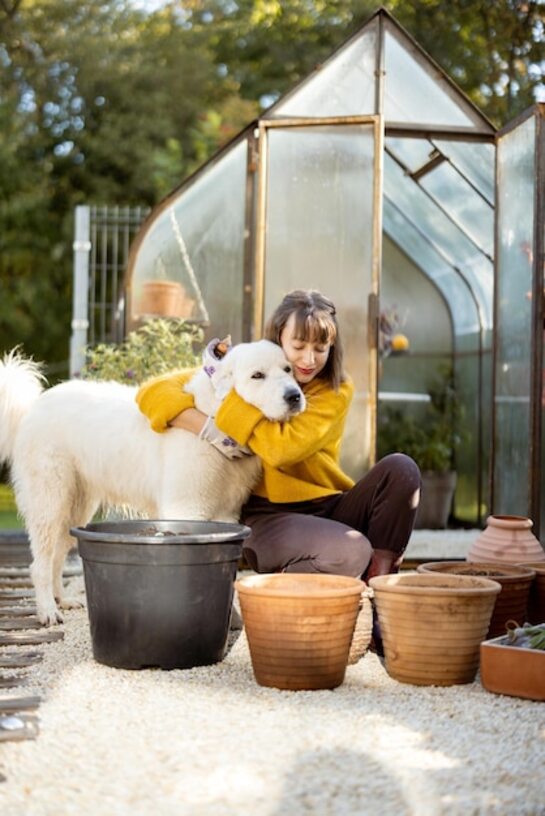
Are you looking for the ideal home that will delight your pets? In this guide, we will help you find the perfect place where both you and your furry friends can feel comfortable and happy. From spacious areas to nearby green spaces, every detail matters in creating a pet-friendly environment. Discover how to choose a home that not only fits your lifestyle but also serves as a safe and fun haven for your loyal companions. Keep reading and turn your search into an exciting experience!
Importance of a pet-friendly environment
A pet-friendly environment is essential not only for the well-being of our furry friends but also for harmony in the home. Pets are an integral part of our lives, and their happiness is intrinsically linked to their surroundings. When choosing a home, it is crucial to consider spaces that allow them to play, explore, and relax without restrictions. From a safe garden where they can romp to indoor areas designed with easy-to-clean materials, every element contributes to creating an environment that promotes their physical and mental health. A home adapted to their needs ensures that our companions feel comfortable and happy, which translates to less stress for both them and us.
Additionally, an environment designed for pets fosters the bond between owners and their animals. Spacious areas where they can interact freely allow for the creation of moments for play and exercise, which are essential for maintaining their positive energy. It is also important to consider proximity to parks or green areas, where they can socialize with other animals and enjoy outdoor walks. By investing in a home that prioritizes the needs of our pets, we are truly investing in their quality of life and overall well-being. In this sense, making informed decisions about home design can result in an enriching experience for both us as responsible owners and our loyal friends.
Advertisements
Outdoor spaces: ideal gardens and patios
Outdoor spaces are essential for the well-being of your pets. A large and safe garden provides them with a place to play, explore, and enjoy the outdoors. When choosing a home, check if it has a fenced yard or a garden that restricts exits and ensures the safety of your furry friends. Suitable plants and shaded areas are also crucial: dogs enjoy running through the grass, while cats can delight in sunbathing in a quiet corner. Additionally, these spaces can be designed with elements such as stone paths or artificial grass, which not only adds aesthetics but also functionality.
Another aspect to consider is the ease of access to these outdoor spaces. Look for homes with back doors or direct access to the garden from the interior. This will not only facilitate quick outings to walk your pet but will also allow you to enjoy shared moments outdoors without complications. Adding comfortable furniture like benches or chairs in the patio can make this space ideal for relaxing with your pet after a day full of adventures. Remember that creating a cozy and safe environment in your outdoor spaces will be key to promoting the happiness and health of your loyal companion.
Safe materials and finishes for your animals
When choosing the perfect home for you and your pets, it is crucial to consider the materials and finishes that ensure a safe and healthy environment. Opting for vinyl or ceramic floors instead of carpets can make cleaning easier and reduce the risk of allergies, as they are less likely to accumulate hair and dust. Additionally, make sure that the furniture is made from non-toxic materials; this includes paints and finishes free from volatile organic compounds (VOCs), which can be harmful to both your pets and humans. A well-designed home should not only be visually appealing but also practical and safe for all its inhabitants.
In addition to the floors, consider using furniture with rounded edges and without protruding parts that could pose a danger to your curious animals. Scratch-resistant and easy-to-clean fabrics are ideal, especially if you have active cats or dogs. It is also important to select durable outdoor materials if your home has a garden or patio, ensuring they are weather-resistant and safe for your furry friends. By paying attention to these details in materials and finishes, you can create a cozy space where your pets can play freely without worries.
Space distribution: play and rest areas
When it comes to designing a home that is welcoming for both humans and pets, the layout of the space is crucial. It is important to create specific areas that encourage play and relaxation. A play area can include a corner with various toys, scratching posts, or even a small inflatable pool for those hot days. This area should be accessible and equipped with safe surfaces to prevent accidents, allowing your pets to have fun without worries. Additionally, consider incorporating interactive elements like tunnels or platforms that stimulate their curiosity and physical activity.
On the other hand, it is also important to have a space dedicated to rest. Designing a quiet corner where your pets can retreat to relax is essential for their emotional well-being. This space can be a comfortable bed located in a quiet part of the house, away from the daily hustle and bustle. You can also include soft blankets and pillows that provide additional comfort. Make sure this area is situated close to you so they can feel safe and accompanied while resting. By properly balancing play and rest areas, you will create a harmonious environment that benefits both your pets and yourself.
Proximity to parks and pet recreation areas
Proximity to parks and pet recreation areas is a key factor to consider when choosing the perfect home for you and your furry friends. These spaces allow your pet to explore, socialize with other animals, and exercise safely. A nearby park not only provides a place for your dog to run freely, but also offers opportunities to connect with other pet owners, creating a friendly and active community in the neighborhood. The ability to enjoy daily walks in a natural setting will enrich your pet’s life and contribute to their physical and emotional well-being. Additionally, having nearby recreational areas makes daily routines easier, as you can take your pets for walks without having to travel long distances. This is especially beneficial if you have a tight schedule or simply want to enjoy spontaneous outdoor moments with them. When choosing a home, be sure to research local parks: check if they are pet-friendly, what amenities they offer (such as fenced areas or cleaning stations), and how accessible they are from your home. This way, you can ensure that you and your pets share memorable experiences in stimulating natural environments.
Local regulations on pet ownership in residences
The ownership of animals in residences is subject to local regulations that can vary significantly from one place to another. Before deciding on a new home, it is crucial to research the specific regulations in your area regarding pets. Some communities have restrictions on the number of animals you can have, while others may prohibit certain breeds considered dangerous. Make sure to be aware of these details to avoid unpleasant surprises and ensure that your new home is a safe and legal place for your furry friends. Moreover, it is not just about the number or type of pets allowed; there are also regulations regarding animal welfare that you must consider. For example, some areas establish requirements about the minimum space each animal must have or the need for registrations and licenses. Familiarizing yourself with these laws will not only help you comply with local regulations but also ensure that your pet has a suitable and healthy environment to live in. Knowing these regulations will allow you to make more informed decisions when choosing the perfect home for you and your beloved companions.
Accessibility and safety in pet-friendly housing
When searching for a pet-friendly home, it is essential to consider accessibility and safety for both you and your pets. Ensure that the property has wide entrances and unobstructed hallways, which will facilitate the movement of larger or older pets, as well as their transport if necessary. Additionally, check for stairs or uneven surfaces that may pose a risk; instead, look for options with ramps or non-slip surfaces. Ease of access not only enhances your animals' quality of life but also allows you to fully enjoy the space.
Safety is another crucial aspect to consider. Check if the windows and balconies have adequate protections to prevent accidental falls. Also, consider the fences in patios or gardens: they should be high enough and secure to keep your pets inside and safe from external dangers. Likewise, make sure there are no toxic items within reach, such as poisonous plants or hazardous chemicals. By choosing a home that prioritizes accessibility and safety, you will be creating a space where your furry companions can explore and play with complete peace of mind.
Features of apartments vs houses for pet owners
When choosing between an apartment and a house, it is essential to consider the specific features that benefit both the owners and their pets. Apartments often offer smaller spaces, which can be a challenge for larger or more active animals. However, many apartment complexes are designed with common areas dedicated exclusively to animals, such as dog parks or play areas. This can be a great advantage, as it allows for socialization and exercise without the need to leave the building. On the other hand, the possibility of having balconies or terraces in apartments can provide additional space where your pets can enjoy the fresh air and observe their surroundings.
Houses, on the other hand, offer a larger space and the option of having a private garden, which is ideal for those furry ones who need to run and play outdoors. A fenced yard not only provides safety but also a place where your pet can explore freely. Additionally, houses often allow for greater flexibility in terms of modifications; you can create specific areas for your pets or even add features like ramps or outdoor houses. However, you must consider the location: living in an area with close access to parks and green spaces is crucial to maximize your animal companion's enjoyment. At the end of the day, both apartments and houses can be viable options; it all depends on your personal needs and the lifestyle you want to provide for your pet.
How to adapt your future home to the needs of your pets
When thinking about your future home, it is essential to consider the specific needs of your pets. A suitable space can make the difference between a stressful environment and one that promotes the well-being of your furry friends. Think about spacious areas where they can move freely, as well as the possibility of having a garden or terrace. Non-slip and easy-to-clean floors are an excellent choice to prevent accidents and facilitate daily maintenance. Additionally, ensure that all spaces are safe: check for any hazardous items within reach of their curious paws.
Incorporating pet-friendly elements into home design can also enhance the quality of life for both you and your pets. Consider building shelves or special corners where they can rest and play, as well as placing comfortable beds in different areas so they have options throughout the day. Choosing durable furniture and long-lasting materials is key; opt for those that are easy to clean and can withstand the wear and tear caused by your animals' antics. Remember that your home reflects not only your personal style but also the love and care for your furry companions, creating a harmonious environment where everyone can enjoy themselves to the fullest.
Practical tips for moving with your pets stress-free
Moving can be a stressful process not only for humans but also for our furry friends. To ensure that the transition is as smooth as possible, start by preparing your pet in advance. Familiarize them with the moving boxes and establish a consistent daily routine during the process. Keeping their regular schedule for walks and feeding can help reduce the anxiety they feel about the change. Additionally, consider creating a safe space in the new house where your pet can feel comfortable as they adapt to their new environment. Once you arrive at your new home, it's essential to give your pet time to explore their new surroundings at their own pace. Make sure to supervise their movements at first to prevent accidents or escapes. Place their favorite toys and bed in accessible areas so they can quickly recognize their new refuge. Also, remember to make regular visits to the veterinarian to ensure that everything is well with their health after the move. With patience and care, your pet will be able to adapt smoothly to the new environment and enjoy the home you have chosen especially for both of you.
Finally, don't forget to keep an open communication with your neighbors about having pets in the new home. This will not only facilitate a good relationship with them, but it will also allow you to stay informed about any specific pet-related requirements in the community. By following these practical tips, you can make your move a less stressful and more positive experience for both you and your furry companions, thus creating a home where everyone feels happy and safe.
Advertisements
More in Pet-Friendly Housing

Lifestyle, Pet-Friendly Housing
Find the ideal home that ensures comfort for your pets.
Lifestyle, Pet-Friendly Housing
Creative spaces that adapt your home to your pets
Lifestyle, Pet-Friendly Housing
How to ensure that your new home is a safe haven for pets

Lifestyle, Pet-Friendly Housing
Find the home that enhances your pets' happiness.
Most viewed in Lifestyle

Lifestyle, Urban and Suburban Spaces
Create an urban space that celebrates cultural diversity.
Lifestyle, Pet-Friendly Housing
Find the ideal home that ensures comfort for your pets.

Lifestyle, Families and Housing
Find your ideal home with advice from local experts.
Lifestyle, Pet-Friendly Housing
Creative spaces that adapt your home to your pets