
Essential Factors that Increase the Value of Your New Home
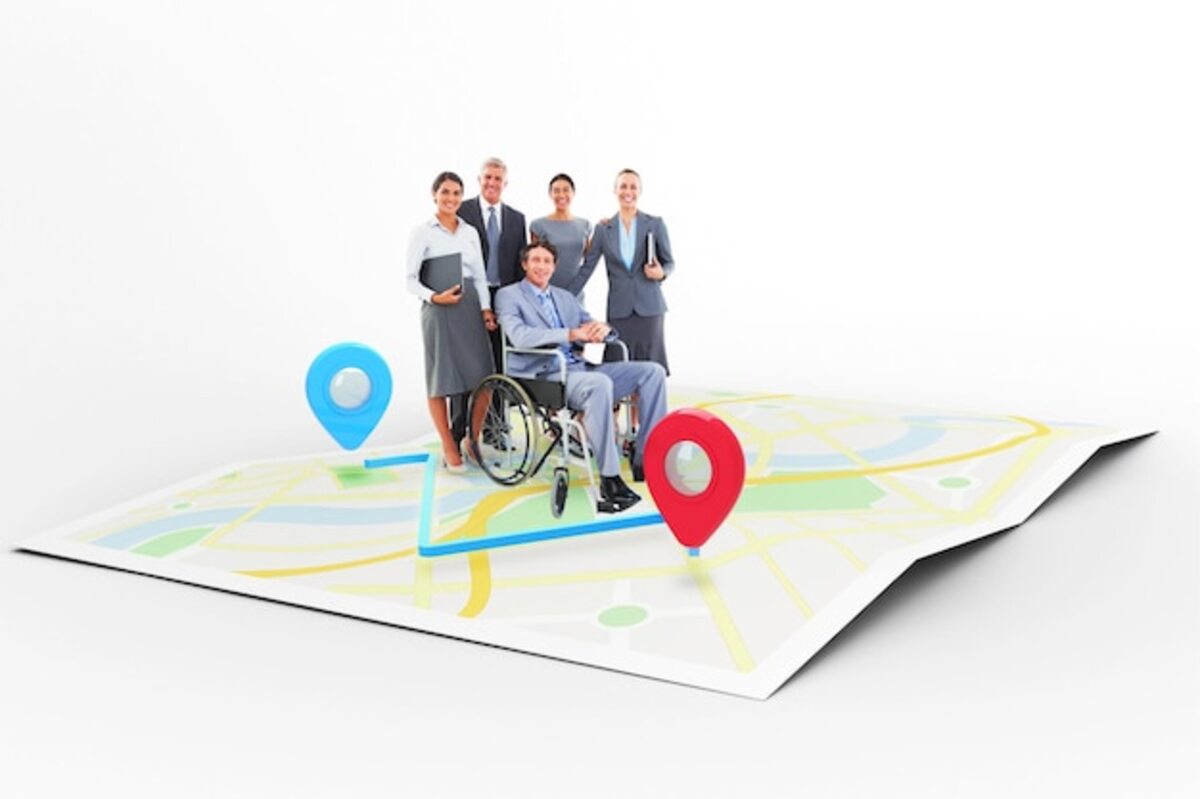
Discovering the true value of your new home is not only based on its structure and design but also on its location. The eternal debate between rural and urban is fundamental in determining the appreciation of your property. In this article, we will explore the essential factors that increase the value of your home, helping you make informed decisions that maximize your investment. From accessibility to nearby amenities, every element matters. Join us on this journey to understand how location directly impacts the economic future of your house.
The Importance of Location: Rural or Urban?
The location of a home is one of the most determining aspects of its long-term value. By opting for an urban environment, homeowners often benefit from greater accessibility to services such as public transportation, shopping centers, schools, and hospitals. These amenities not only facilitate daily life but also attract a larger number of potential buyers and investors interested in the area, which can translate into significant appreciation. On the other hand, the appeal of rural areas has been gaining popularity, especially among those seeking tranquility and a connection with nature. Properties located in rural areas may offer larger lots and lower prices, although they often lack some of the urban advantages.
Choosing between a rural and an urban environment will largely depend on the lifestyle that each individual or family wishes to lead. While urban life may be ideal for those who value proximity to cultural and social activities, the rural environment appeals to those seeking a refuge away from the city hustle. However, it is important to consider how these preferences impact the future appreciation of the property; current trends show a growing interest in homes in peripheral areas due to remote work and the search for larger spaces. In this sense, carefully evaluating the location not only involves thinking about the present but also projecting how the surrounding areas will develop and what opportunities will arise over time.
Advertisements
Accessibility and Transportation: Key Factors in Property Valuation
Accessibility and transportation are two of the most determining factors when valuing a property. Living in a place with good public transport connections, such as buses, trains, or metro, not only makes daily life easier for its residents but also increases the appeal of the property for future buyers or tenants. A well-connected property allows its residents to commute easily to work, schools, and recreational areas, which translates into higher demand in the real estate market. In this sense, properties located near main routes or stations often experience a significant increase in their value.
In addition to transportation infrastructure, accessibility to essential services such as supermarkets, hospitals, and schools also plays a crucial role in the valuation of a house. Families often prioritize living in areas where they can quickly access these everyday amenities. Therefore, a location that offers easy access to these services can be a strong argument when selling or renting a property. In summary, considering accessibility and transportation options when evaluating your new home is not only key to your current quality of life but also fundamental for maximizing its long-term value.
Basic Services: Schools and Hospitals as Decisive Elements
The presence of schools and hospitals near your new home is a crucial factor that can significantly influence its value. Families often prioritize the location of quality educational institutions, as this not only ensures a good education for their children but also increases the area's appeal to future buyers. A well-rated school can be a decisive point for those looking to settle in a community, which in turn leads to higher demand and, consequently, an increase in the property's value.
On the other hand, proximity to medical services such as hospitals and clinics also adds considerable value to your home. The peace of mind of having accessible medical care is a highly valued aspect by potential buyers, especially those with families or elderly individuals in the home. The availability of these services not only provides security and comfort to current residents but also creates a more attractive environment for future tenants or owners, thereby increasing the overall value of the property.
Green Areas and Recreational Spaces: A Plus for Your Home
Green areas and recreational spaces are essential elements that add significant value to any property. The presence of parks, gardens, and leisure areas not only enhances the aesthetics of the neighborhood but also promotes a healthy and active lifestyle. For families, having these facilities nearby means having a safe place where children can play and socialize, while adults can enjoy outdoor activities. Thus, the availability of green spaces can positively influence the decision to purchase a home, highlighting the appeal of the surroundings.
Additionally, green areas contribute to the emotional and mental well-being of residents. Research has shown that contact with nature reduces stress and fosters a general sense of happiness. In this sense, living near recreational areas allows homeowners to enjoy quiet walks, family picnics, or simply relax under the sun. All of this translates into greater satisfaction with the home and can be a decisive factor for future buyers. By considering these aspects in your real estate search, you will be investing not only in a house but also in a lifestyle enriched by nature and community.
Safety and Crime: How It Affects Real Estate Value
The safety and crime rate in an area are two crucial factors that directly influence the real estate value of a property. Families and potential buyers tend to prioritize living in safe neighborhoods where they feel protected and at ease. A neighborhood with low crime not only attracts buyers for its safe environment but can also ensure a steady increase in home value over time. Conversely, areas with high crime rates often face significant challenges in their appreciation, as potential buyers may avoid investing in properties located there. Moreover, the perception of safety is strongly linked to other aspects of the community environment, such as the presence of efficient emergency services, adequate street lighting, and community activities that promote neighborhood watch. The implementation of preventive measures and community programs can help create a safer environment, which not only enhances the quality of life for current residents but also makes properties in that area more desirable for future buyers. In summary, prioritizing safety when evaluating your new home can be crucial for protecting your investment and ensuring its long-term appreciation.
Urban Development: Future Projects That Influence Property Value
Urban development is a key factor that can significantly influence the appreciation of your new home. Projects such as the construction of new infrastructures, parks, shopping centers, or public transportation systems not only improve the quality of life in an area but also attract more residents and businesses. The arrival of these initiatives often generates an increase in demand for properties, which in turn can raise prices as interest in living in that area grows. When considering a purchase, it is essential to research what projects are planned or underway nearby, as these can transform the environment and enhance the value of your investment.
In addition to visible improvements, urban development also includes long-term plans related to sustainability and the modernization of public spaces. Initiatives to create more sustainable communities through the efficient use of space and resources can be an additional attraction for potential buyers in the future. For example, areas designed with green spaces and pedestrian access promote a healthy lifestyle and can make a property more desirable. Staying informed about these developments will not only help maximize the current value of your home but also allow you to make strategic decisions about when to sell or rent your property based on the projected growth of the area.
Community and Local Culture: The Added Value of the Social Environment
The community and local culture are elements that are often overlooked when assessing the value of a property, but their impact can be significant. Living in a vibrant neighborhood, where residents actively engage in cultural and community activities, can enrich your daily experience. Local fairs, artistic events, and festivals not only strengthen social cohesion but also attract new residents and visitors. This dynamic fosters a sense of belonging that can be invaluable, turning a simple house into a place where lasting memories are made.
Additionally, communities with a rich cultural offering often see an increase in demand for their properties. Proximity to museums, theaters, unique restaurants, and artisan markets adds a special appeal to the location. These factors not only elevate the quality of life for current residents but also ensure a constant appreciation of property value among potential future buyers. Ultimately, investing in a home situated in an active social environment not only enhances your personal well-being but also represents a smart decision from a financial standpoint.
Real Estate Market Trends: Rural vs Urban in Costa Rica
The dynamics of the real estate market in Costa Rica reflect a growing polarization between preferences for rural and urban areas. In urban areas, there is a steady increase in demand for properties that offer proximity to essential services such as schools, hospitals, and shopping centers. The convenience of living in metropolitan environments, with access to public transportation and job opportunities, has led many people to choose to invest in apartments or houses within the city. This not only increases the value of these properties but also establishes a trend towards sustainable developments that prioritize urban well-being.
On the other hand, the appeal of rural life is rapidly gaining ground among those looking to escape the urban hustle and yearning for a quieter lifestyle connected to nature. Properties in rural areas offer larger spaces and generally more affordable prices, in addition to an ideal environment for outdoor activities. However, it is crucial to consider aspects such as available infrastructure, digital connectivity, and access to basic services before making a significant investment. The balance between both worlds may be key for current buyers; understanding what each option offers can make a difference in the future value of their property.
Advertisements
More in Rural vs Urban

Location and Value, Rural vs Urban
The relationship between landscapes and property valuation
Location and Value, Rural vs Urban
Choosing your home: keys to a location with lasting value

Location and Value, Rural vs Urban
Natural Wealth and Appreciation Opportunities in La Fortuna

Location and Value, Rural vs Urban
The influence of infrastructure on the value of your property
Most viewed in Location and Value
Location and Value, Best Areas
House rents in October: what rose and what fell

Location and Value, Best Areas
The housing market in October: what rose and what fell

Location and Value, Best Areas
The lot market in October: what rose and what fell
Location and Value, Community Living
The impact of accessibility on the value of your property