
How proximity to nature transforms your real estate investment
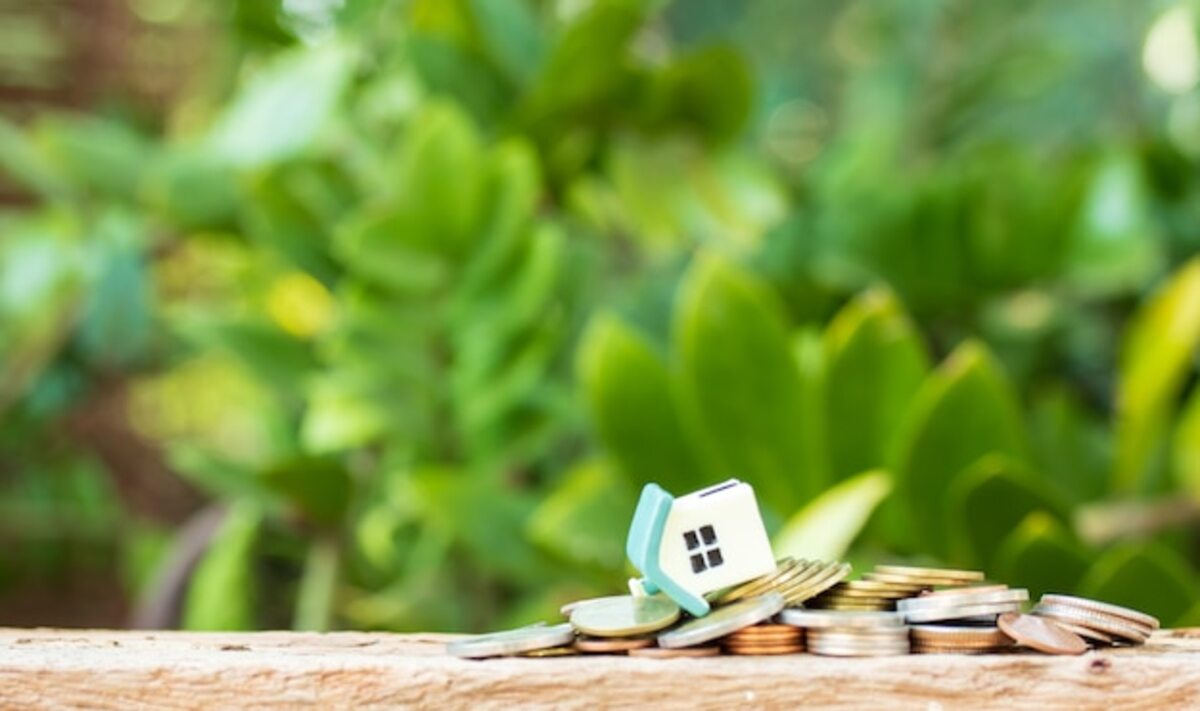
The connection with nature not only benefits our health and well-being, but it can also be a determining factor in the value of a property. In this article, we will explore how proximity to green areas and natural environments can transform your real estate investment, especially when comparing rural properties to urban ones. Discover why choosing a home surrounded by nature could be the best decision to maximize your property appreciation and enjoy a balanced lifestyle.
The importance of the natural environment in property appraisal
The importance of the natural environment in property evaluation is undeniable, as this element influences multiple aspects of real estate value. Proximity to parks, rivers, mountains, or forests not only provides aesthetic appeal but also enhances the quality of life for its inhabitants. Studies have shown that properties located near green areas tend to have higher prices and greater demand in the market. This is because buyers are willing to pay more for a home that offers them direct access to nature, which supports their physical and mental well-being.
Additionally, the natural environment contributes to sustainability and community development, factors that are increasingly valued by those seeking to acquire a property. Areas with abundant green spaces often have better infrastructure, such as well-maintained roads and efficient public services. These elements not only raise the standard of living for residents but also attract additional investments in the area. Therefore, choosing a property close to nature not only translates to a pleasant living space but also represents a smart strategy to maximize the return on investment in real estate.
Advertisements
Comparison: investment in rural areas vs urban areas
Investment in urban areas has traditionally been seen as a safer option, given the constant development of infrastructure and services. However, this perception is changing as demand for properties in rural settings increases. Proximity to nature not only offers a healthier and more balanced lifestyle but can also positively influence a property's resale value. Rural areas are seeing a rise in popularity due to their tranquility, open spaces, and tighter-knit communities, which can translate into significant appreciation over time.
On the other hand, urban properties are often surrounded by amenities such as shops, schools, and efficient public transportation. However, this urban approach can come with disadvantages such as noise, pollution, and higher population density. As more people seek to escape the city bustle and prioritize their mental and physical well-being, investing in rural areas becomes an attractive alternative. In this sense, those who choose homes close to nature are not only making an aesthetic or emotional choice; they are also making strategic decisions that could prove profitable in the long term.
Psychological and economic benefits of living close to nature
Living close to nature not only provides a respite for the body but also offers significant psychological benefits. Studies have shown that exposure to natural environments reduces levels of stress, anxiety, and depression. The simple sight of trees, flowers, and green spaces can elevate mood and foster an overall sense of well-being. This translates into a higher quality of life for those living in these areas, reflected in greater satisfaction with their home and community. Families that choose to reside near parks or nature reserves tend to have a more active lifestyle, promoting both mental and physical health.
From an economic perspective, properties located near natural areas tend to maintain their value and even appreciate more quickly than those situated in congested urban environments. The demand for homes surrounded by nature has been increasing as more people seek to escape the urban hustle and enjoy a quieter, healthier environment. This trend is driven by a cultural shift toward sustainability and the pursuit of work-life balance. Investing in real estate near green spaces is not only a decision that benefits personal well-being but also a smart strategy to maximize long-term return on investment.
How access to green spaces increases real estate appeal
Proximity to green spaces not only improves the quality of life for residents but also translates into a significant increase in real estate appeal. Urban areas with parks, gardens, and nature reserves tend to be more valued by buyers. The reason is simple: nature provides a respite from the urban hustle, promoting a healthier and more relaxed lifestyle. Future homeowners are increasingly seeking environments that allow them to enjoy outdoor activities, which makes properties near green areas preferred options in the market.
Additionally, the presence of green spaces can directly influence the resale value of a property. Studies have shown that homes located near parks or natural areas tend to have higher prices and sell more quickly compared to those without such access. This is because nature not only beautifies the surroundings but also provides psychological benefits, such as stress reduction and greater overall satisfaction with the home. Therefore, investing in properties near green spaces is a smart strategy for those looking to maximize their investment while enjoying a balanced lifestyle.
Strategies to assess the potential for appreciation in natural areas
To evaluate the potential for appreciation in natural areas, it is essential to conduct a thorough analysis of the environment. This includes researching the availability of nearby services and amenities, such as schools, hospitals, and shopping centers. Accessibility to these infrastructures can significantly influence the future value of a property. Furthermore, the existence of urban planning initiatives that promote conservation or sustainable development of the area can also be a positive indicator for investors, as it suggests a commitment to a better quality of life and the preservation of the natural environment.
Another key aspect is to study the trends in the real estate market in areas close to green spaces. Examining how prices have evolved in recent years compared to similar properties in urban areas can provide a clear perspective on the potential return on investment. Additionally, it is advisable to consider factors such as population growth and demand for housing in natural environments. The growing preference for spaces that offer a connection to nature could be an important catalyst for increasing the value of properties located in these regions.
Successful cases: transformation of real estate investments in rural environments
The transformation of real estate investments in rural environments has led to successful cases that demonstrate the appeal of living in harmony with nature. Residential projects that once seemed risky have now become sought-after retreats for those looking to escape urban hustle. For example, an old farm converted into a complex of eco-cabins has not only revitalized the local economy but has also attracted buyers interested in a sustainable and laid-back lifestyle. These developments not only offer panoramic views and access to outdoor activities but have also seen a notable increase in their market value due to the growing demand for homes surrounded by nature.
Another inspiring case is that of intentional communities that have emerged in rural areas, where community well-being and sustainability are prioritized. These initiatives not only foster connection among residents but also create an environment conducive to personal and professional growth. By investing in properties within these communities, owners have managed to not only enhance their quality of life but also witness their real estate investment grow simultaneously. The constant appreciation of these properties highlights how proximity to natural surroundings can be an effective strategy to maximize value while enjoying a healthy and enriching environment.
Current trends: growing demand for properties near nature
The growing demand for properties close to nature reflects a transformation in buyers' priorities. Nowadays, more people are seeking refuge from urban hustle and daily stress, opting for homes that allow them to enjoy a natural environment. This shift in preference not only responds to a desire for quality of life but also to a recognition of the value of living near parks, forests, and bodies of water. Properties located in these areas often experience faster appreciation in their value, making them an attractive option for investors.
Moreover, the trend towards remote work has allowed many professionals to consider less conventional locations for living. This has driven a significant increase in demand for rural or suburban homes that offer direct access to nature. Buyers are willing to invest more in properties that provide not only comfortable indoor spaces but also spacious gardens, panoramic views, and opportunities for outdoor activities. Thus, proximity to natural environments is increasingly becoming an essential criterion for those looking to maximize their real estate investment while enjoying a healthy and balanced lifestyle.
Advertisements
More in Rural vs Urban

Location and Value, Rural vs Urban
The relationship between landscapes and property valuation
Location and Value, Rural vs Urban
Choosing your home: keys to a location with lasting value
Location and Value, Rural vs Urban
Natural Wealth and Appreciation Opportunities in La Fortuna
Location and Value, Rural vs Urban
The influence of infrastructure on the value of your property
Most viewed in Location and Value
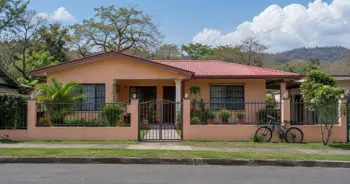
Location and Value, Best Areas
House rents in October: what rose and what fell
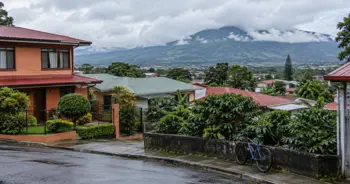
Location and Value, Best Areas
The housing market in October: what rose and what fell
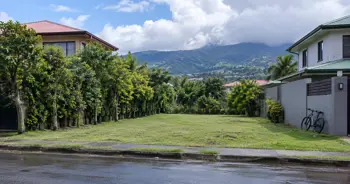
Location and Value, Best Areas
The lot market in October: what rose and what fell
Location and Value, Community Living
The impact of accessibility on the value of your property