
Clarity in your move: steps to ensure an effective transition
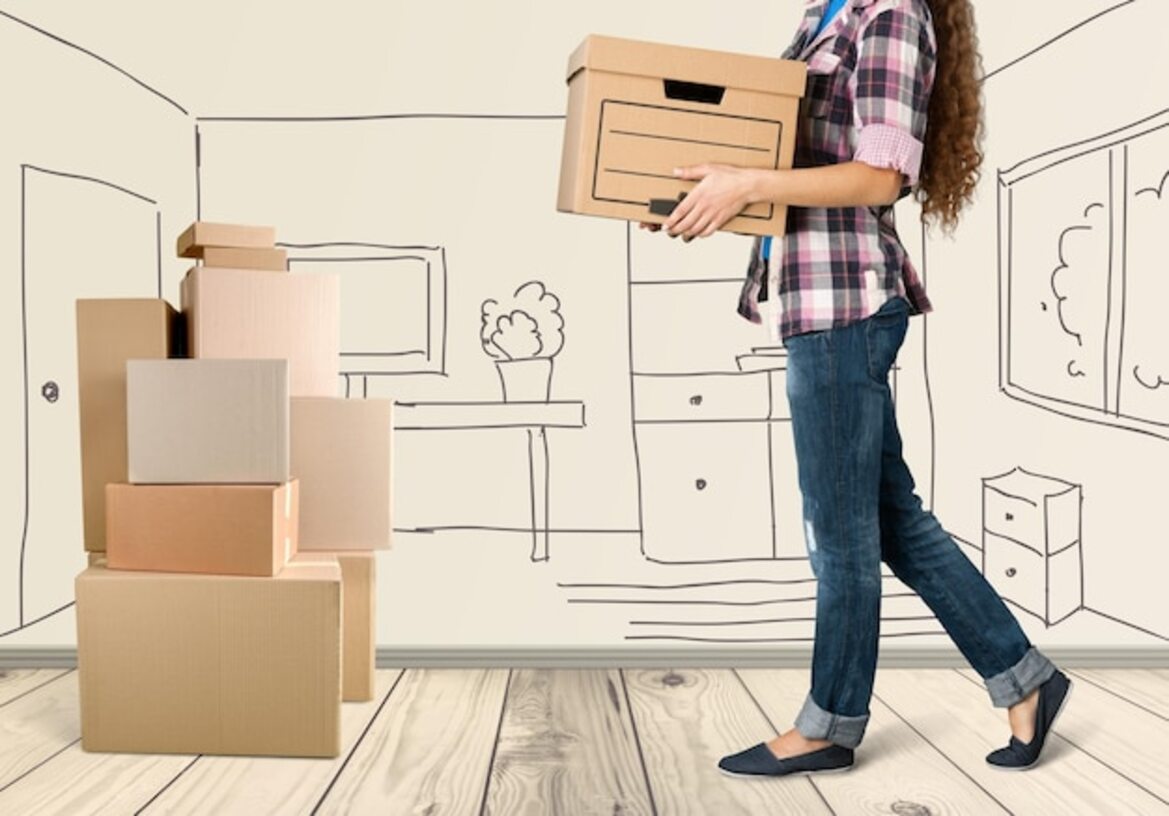
Moving is a process that can be overwhelming, but with proper planning and clear steps, you can ensure an effective transition to your new home. In this article, we will provide you with practical tools and essential tips to make your moving experience smooth and less stressful. Clarity at each stage of this process will facilitate not only the logistics but also your adaptation to a new environment. Get ready to turn this change into an exciting adventure!
Advance planning: the first step towards a successful move
Advance planning is essential for ensuring a successful move. Starting early allows you to organize every detail methodically, reducing the likelihood of unpleasant surprises. By creating a timeline, you can break tasks into manageable stages, such as sorting belongings, hiring transportation services, and preparing the new home. This systematic approach not only minimizes stress but also ensures that nothing is overlooked, allowing you to enjoy the process instead of feeling overwhelmed by it.
Involving all household members in the planning can further ease this transition. Assigning specific responsibilities to each person not only promotes teamwork but also helps everyone feel like an active part of the change. From deciding which items to take to packing cherished memories and valuable belongings together, sharing these experiences can strengthen family bonds and turn a potentially tedious task into an opportunity to create positive memories. With a clear plan and the collaboration of everyone, you will be better prepared to face any challenges during the move.
Advertisements
Creation of an inventory: what to take and what to leave behind?
Creating an inventory is a crucial step in the moving process that will help you gain a clear understanding of what you own and what you really need to take to your new home. Before you begin, take the time to review each room and note down all items, from large furniture to small decorative objects. This exercise will not only allow you to identify the things that are essential for your daily life, but it will also give you the opportunity to reflect on those elements that no longer have a place in your life. Ask yourself if each item adds value or if it simply takes up space; this will make decision-making easier later on.
Once you have the complete inventory, it will be easier to determine what to take with you and what to leave behind. Consider creating three categories: "Keep," "Donate/Sell," and "Discard." The items in the first category are those that you truly use and appreciate; those in the second can be donated or sold to give them a new life, while those in the last should be discarded if they are no longer useful. This organization not only optimizes your space in the new home but can also alleviate the emotional stress associated with getting rid of sentimental belongings. At the end of the day, a well-managed inventory will allow you to enjoy your new phase more fully without the unnecessary burdens of the past.
Room organization: makes unpacking easier
Room organization is a key strategy that simplifies the unpacking process during a move. By labeling boxes according to the room they belong to, you not only save time but also reduce the stress associated with searching for specific items amidst the chaos. For example, you can use a color-coding system to quickly identify which boxes go to the kitchen, living room, or bedroom. This methodology allows you to have a clear view of what you have brought with you and makes the task easier when you arrive at your new home.
Additionally, by organizing your belongings by rooms before the move, you will have a better idea of what you really need and what you can leave behind. This can be especially useful for doing an effective inventory and avoiding taking unnecessary items. By unpacking each room separately, you can create functional spaces from day one, making your new home feel cozy and organized more quickly. The key is to maintain a systematic approach: start with the most essential areas and follow with the less urgent ones to ensure a smooth transition to your new environment.
Strategies for Packing Efficiently: Tricks That Work
Packing efficiently is essential to ensure that your move goes smoothly. One of the most effective strategies is to use the "categories" system. Before you start packing, sort your belongings into different groups: clothes, books, kitchen utensils, decorations, etc. This will not only give you a clear overview of what you have, but it will also make the unpacking process easier. By packing each category separately and labeling the boxes with their contents and the room they belong to, you'll be able to find everything more easily in your new home.
Another useful trick is to make the most of the space in the boxes. For example, use towels or sheets to wrap fragile items instead of bubble wrap, which not only saves money but also reduces the amount of disposable material. Additionally, filling gaps inside the boxes with clothes or shoes can prevent unwanted movement during transport. Finally, consider making a digital or physical inventory while you pack; this will allow you to keep a strict record of your belongings and ensure that nothing is left behind in your old home. With these simple but effective strategies, you will be better prepared to face the challenges that arise during a move and enjoy the process as a new adventure.
Communication with suppliers and basic services: don't forget them
Effective communication with providers and basic services is a fundamental aspect that is often overlooked during the moving process. Before making the move, make sure to contact service companies such as electricity, water, gas, and internet to schedule the disconnection at your old home and the connection at the new one. This will help you avoid interruptions in essential services and ensure that everything is ready for your arrival. Don't hesitate to ask about the necessary procedures or if there are any special promotions for new users; many times you can benefit from more attractive rates.
Also, don’t forget to notify other relevant providers such as the garbage collection service, gardening or cleaning companies, as well as any subscriptions you have, from magazines to streaming services. Make sure to update your address with important institutions like banks and insurance companies. Keeping an organized list of all these contacts and key dates will make managing the move easier and allow you to fully enjoy your new home from day one without unnecessary setbacks.
Adapting to the new neighborhood: tips for quickly integrating
Adapting to a new neighborhood can be as crucial as the move itself. To quickly integrate, start by exploring your surroundings. Take the time to walk through nearby streets, discover local shops, cafes, and parks. This will not only help you familiarize yourself with the area, but also allow you to establish an emotional connection with your new home. Seize every opportunity to interact with neighbors: a smile or a friendly greeting can open many doors and facilitate new friendships.
Also, consider participating in community activities or local events. Joining interest groups or clubs can be an excellent way to meet people who share your passions. If you have children, school activities and sports events are another effective way to socialize and make new friends. Remember that patience is key; integration takes time, but every small step counts towards establishing a new life in your neighborhood. Connect and enjoy the process!
Post-move reflections: how to make the new home a welcoming place
Once you have completed the move, the next step is to turn that empty space into a cozy and vibrant home. One of the first reflections after moving is the importance of personalizing every corner according to your tastes and needs. Start by getting rid of boxes and furniture that are not necessary; this will not only help you free up space but also allow you to better visualize how you want to organize your new environment. Adding details like family photos, artwork, or souvenirs can make the place feel more familiar and warm. Do not underestimate the power of aroma: candles, diffusers, or even a plant can transform the atmosphere and provide you with a sense of well-being.
Also, consider creating specific areas for activities you enjoy. For example, if you love reading, set up a cozy corner with soft lighting and comfortable seating. If you like cooking, make sure your kitchen is organized and decorated with attractive utensils or well-displayed spices. The key is to find a balance between functionality and aesthetics; this way, you can fully enjoy your new home. Also, remember to invite friends or family to visit you soon; sharing moments in your new space will help create meaningful memories and make you feel more rooted in this new stage of your life.
Advertisements
More in Adaptation
Preparation and Moving, Adaptation
Create a new beginning: preparations for a thoughtful move

Preparation and Moving, Adaptation
Guide to Making Key Decisions When Moving to Your New Home
Preparation and Moving, Adaptation
Guide to ensuring a smooth and trouble-free move
Preparation and Moving, Adaptation
Strategies for a move that maximizes your real estate investment
Most viewed in Preparation and Moving

Preparation and Moving, Moving
Tips for a successful move to your new home in Costa Rica

Preparation and Moving, Moving
Keys to ensure that your new home is a safe investment
Preparation and Moving, Transportation Services
Practical guide to ensure your move to an ideal new home
Preparation and Moving, Transportation Services
Practical tips for a move that protects your new investment