
Guide to Avoid Common Mistakes When Moving to Your New Home
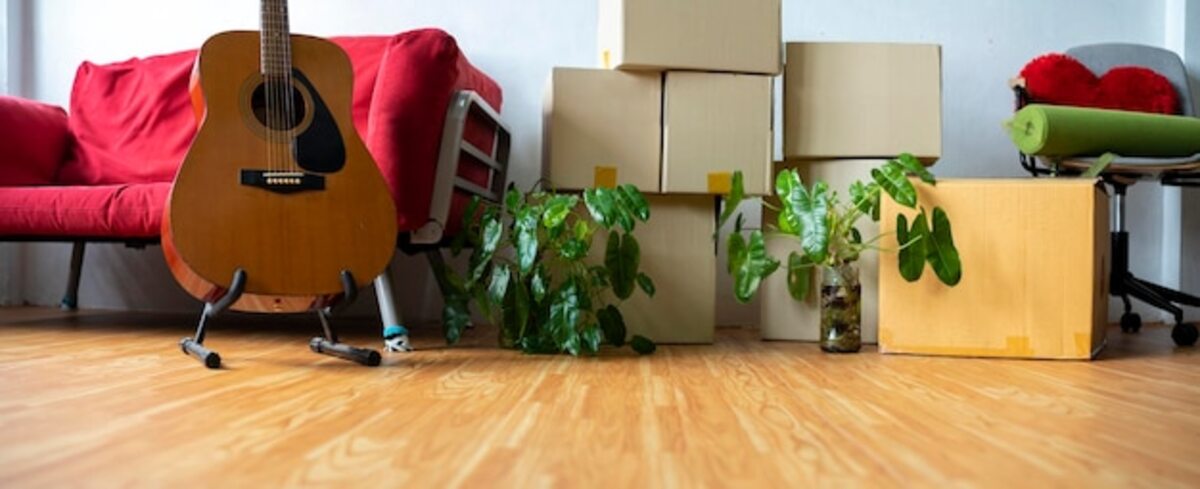
Moving to a new home is an exciting adventure, but it can also be overwhelming if you don't prepare properly. In this guide, we will explore the most common mistakes people make when moving, providing you with practical tips to make your transition smoother and more enjoyable. Avoid unpleasant surprises and ensure you enjoy every moment in your new space. Get ready to become an expert in moving and adapting!
Inadequate planning: the key to avoiding surprises
Inadequate planning is one of the most common mistakes when moving, and it can lead to a series of unpleasant surprises that ruin the experience. Before making any move, it is essential to establish a clear timeline that includes every stage of the process: from searching for and hiring moving services to packing and organizing in your new home. Creating a task list will help you visualize what you need to do and avoid leaving important things until the last minute, such as address changes or disconnecting services in your old home. Good planning also allows you to manage your resources better, avoiding unforeseen costs.
Additionally, do not underestimate the importance of measuring spaces in your new home before moving your furniture and belongings. A common mistake is to think that everything will fit smoothly; however, if you do not take the available dimensions into account, you might find yourself with furniture that does not fit or that obstructs movement. Therefore, it is advisable to take detailed measurements and create a plan where you can visualize how your spaces will be organized. This way, you can avoid unpleasant surprises and ensure that each element has its proper place from day one. With careful planning, your move will be much more efficient and you will enjoy the process without unexpected setbacks.
Advertisements
Not evaluating the space: how to maximize your new home
When moving to a new home, one of the most common mistakes is not properly assessing the available space. Before unpacking your belongings, take the time to measure each room and consider the arrangement of the furniture you plan to bring with you. This will help you visualize how your items will fit into the new environment and avoid unpleasant surprises when it comes time to set them up. A good tip is to create a scaled floor plan or use interior design apps that make this task easier, allowing you to experiment with different layouts before making final decisions.
Maximizing space in your new home also involves thinking about smart storage solutions. Take advantage of corners, closets, and vertical spaces. For example, use floating shelves or decorative boxes to keep your items organized and accessible without visually cluttering the area. Additionally, consider acquiring multifunctional furniture that can serve more than one purpose; for instance, a sofa bed or an extendable table can be perfect allies to optimize both space and functionality in your daily life. With careful planning and creativity, you can turn your new home into a cozy and practical place from the very beginning.
Ignore hidden costs: realistic budget for the move
When planning your move, it is essential to not only consider the obvious costs, such as rent or buying a new home, but also the hidden costs that may arise during the process. These can include expenses such as moving fees, utility deposits, administration fees, and even the cost of packing materials. A common mistake is underestimating these additional expenses, which can lead to an inadequate budget and unpleasant financial surprises. Therefore, it is advisable to make a comprehensive and detailed list that includes all potential expenses related to the move.
To avoid falling into the trap of hidden costs, create a realistic budget that includes an extra margin for unexpected expenses. Research each of the necessary items for the move and consider getting quotes from different moving companies and service providers. Additionally, don't forget to take into account the time you might need to perform tasks such as cleaning your old home or making minor repairs in the new one. By adopting a proactive approach to your finances during the move, you can reduce the stress associated with this process and focus on enjoying your new phase at home.
Underestimating the importance of basic services: water, electricity, and internet
When moving to a new home, it's easy to get carried away by the excitement of the move and overlook essential aspects like basic services: water, electricity, and internet. However, these elements are crucial to ensure that your new life begins smoothly. Make sure to have these services set up before you arrive, as their absence can turn your experience into a nightmare. Imagine arriving at your new space only to find that there is no electricity to turn on the lights or that you can't access water in the bathroom; this can create unnecessary stress and further complicate the adaptation process.
Additionally, internet access is essential today, not only to stay connected with friends and family but also to facilitate everyday tasks such as work or online shopping. Before moving, research the available providers in your area and schedule installation appointments if necessary. By prioritizing these basic services from the beginning, you ensure that you can fully enjoy your new home without interruptions or inconveniences. Remember that good planning is key to a successful move; never underestimate the importance of the essentials.
Lack of organization in packing: tips for efficient packing
The lack of organization in packing is one of the most common mistakes when moving, and it can create chaos both during the move and when unpacking. To avoid this situation, start by sorting your belongings into categories: clothing, kitchen utensils, decorative items, and personal articles. Assign specific boxes for each category and make sure to label them clearly. This will not only facilitate the loading and unloading process but also allow you to quickly find what you need once you arrive at your new home.
Additionally, consider creating a detailed inventory of your boxes. Use a spreadsheet or a simple paper list where you include the contents of each box along with its corresponding number. This practice will help you maintain complete control over what you are bringing with you and reduce stress when unpacking. Lastly, do not underestimate the importance of the right packing material; use bubble wrap or blankets to protect fragile items and strong tape to ensure that the boxes stay closed during transport. With these tips, your moving experience will be much more organized and efficient.
Not communicating with your neighbors: building relationships from the start
One of the most important decisions you can make when moving to a new home is to establish good communication with your neighbors from day one. Many people tend to focus solely on the interior of their new house, forgetting that neighbors are an integral part of the community. Building strong relationships can provide you with a sense of belonging and support, as well as ease the transition to your new environment. A simple greeting or an informal introduction can open the door to lasting friendships and create a more welcoming atmosphere.
Moreover, getting to know your neighbors will allow you to stay informed about important aspects of the area, such as trash collection schedules, community activities, or even recommendations for local services. Don't underestimate the power of a good neighborly relationship; in case of emergencies or issues, having nearby people who can help you can make a difference. So don't hesitate to organize a small gathering or simply stop by their house to introduce yourself and break the ice. Building a community starts with you!
Forget to review the conditions of the rental or purchase contract.
When moving to a new home, it is essential to pay attention to the conditions of the rental or purchase agreement. Many people make the mistake of not carefully reading all the terms and clauses, which can lead to misunderstandings and complications in the future. Whether you are signing a lease agreement or buying a property, make sure you understand the duration of the contract, the policies regarding security deposits, as well as any additional charges related to utilities or maintenance. Neglecting these details could result in unexpected expenses or limitations on your use of the space.
Also, don't forget to check for any specific restrictions that may affect your daily life. For example, some contracts may have clauses regarding pet ownership, structural modifications, or even rules about noise and behavior in common areas. Ignoring these conditions can lead to conflicts with landlords or neighbors and ruin your experience in your new home. Take the necessary time to discuss any questions with the landlord or real estate agent to ensure you are fully informed before committing. A small effort at the beginning can save you a lot of inconveniences later on.
Not adapting your lifestyle to your new environment: practical tips
When moving to a new home, it is essential to adjust your lifestyle to the environment around you. Each neighborhood has its own culture, pace, and characteristics that can influence your daily life. Ignoring these differences may lead you to feel out of place or even frustrated. Take the time to explore local resources, from supermarkets to parks and community centers. Observe how neighbors interact with each other and consider incorporating some of those practices into your daily life to facilitate a more harmonious integration.
Additionally, do not forget to be flexible and open to change. Your previous routines may need adjustments to better fit the new circumstances. For example, if you used to enjoy outdoor activities but have moved to an area with fewer green spaces, explore alternatives like sports clubs or community groups that align with your interests. By making small changes to your lifestyle and being receptive to new experiences, you will not only feel more comfortable in your new home, but you will also have the opportunity to meet people and build meaningful relationships in your new community.
Postponing home personalization: creating a cozy space
Postponing the personalization of your home can be a significant mistake that affects your emotional well-being and sense of belonging in your new space. When moving, it’s natural to focus on the essentials: unpacking, organizing, and making everything work. However, taking the time to personalize your home from the start will help you feel more comfortable and connected to the place. Whether it’s hanging your favorite artwork, choosing colors that reflect your personality, or incorporating meaningful elements from your previous life, this process can transform an empty house into a true home filled with warmth.
Additionally, personalization goes beyond aesthetics; it's about creating a welcoming environment where you can relax and enjoy. Take a moment to think about how you want each room to feel and what elements could contribute to that atmosphere. This could include everything from choosing soft lighting to selecting comfortable furniture that invites you to spend time in them. Don't underestimate the power of small details: plants, family photos, or travel souvenirs can bring a great dose of happiness and make you feel rooted in your new surroundings. So don't postpone this important task; start today to make your new home a place where you truly want to be.
Advertisements
More in Adaptation
Preparation and Moving, Adaptation
Create a new beginning: preparations for a thoughtful move

Preparation and Moving, Adaptation
Guide to Making Key Decisions When Moving to Your New Home
Preparation and Moving, Adaptation
Guide to ensuring a smooth and trouble-free move
Preparation and Moving, Adaptation
Strategies for a move that maximizes your real estate investment
Most viewed in Preparation and Moving

Preparation and Moving, Moving
Tips for a successful move to your new home in Costa Rica

Preparation and Moving, Moving
Keys to ensure that your new home is a safe investment
Preparation and Moving, Transportation Services
Practical guide to ensure your move to an ideal new home
Preparation and Moving, Transportation Services
Practical tips for a move that protects your new investment