
Guide to Making Smart Decisions in Your New Home

Deciding to move to a new home is an exciting step, but it can also be overwhelming. In this guide, we will provide you with valuable tips to help you adjust smoothly to your new home. From choosing the neighborhood to the details of decoration, every decision matters. Get ready to make your new house a true home with our practical and effective recommendations that will help ease the moving and adjustment process.
Assessing your needs: What are you looking for in your new home?
When considering moving to a new home, the first thing you should do is assess your needs and desires. Ask yourself what aspects are fundamental for you and your family: are you looking for a larger space to grow? Or perhaps you prefer a smaller, easier-to-maintain place? It is important to identify whether you prioritize location, size, or specific features of the home, such as the number of rooms, outdoor spaces, or accessibility. A list of requirements can help you focus your search and avoid impulsive decisions that could lead to regrets later on.
Also, consider the lifestyle you want to lead in your new home. Reflect on your daily routines and how each option aligns with them. For example, if you enjoy outdoor activities, look for properties close to parks or recreational areas. If you work from home or have young children, you might need a dedicated space like an office or an additional room for play. Having clarity about what you really want will allow you to make more informed decisions and find a home that not only meets your current expectations but also adapts to your future needs.
Advertisements
The importance of choosing the right location
The location of your new home is one of the most crucial factors to consider in the moving process. A suitable place not only influences your quality of life but also impacts aspects such as safety, accessibility, and proximity to essential services like schools, hospitals, and supermarkets. Evaluating the neighborhood in terms of noise, recreational activities, and social environment can make a significant difference in your daily experience. Remember that a good location can ease your commutes and enhance your overall well-being.
Additionally, choosing a location that aligns with your needs and lifestyle is essential. If you work from home or have young children, look for quiet and safe areas that offer suitable spaces for these activities. On the other hand, if you value social life or enjoy cultural events, consider options close to urban centers or areas with constant activity. Take the time to explore different neighborhoods; walking through their streets and talking to residents will give you invaluable insight into what your life will be like in that new home.
Considerations on the size and distribution of space
When considering a new home, the size and layout of the space are crucial factors that can significantly influence your quality of life. It is important to assess not only the available square meters but also how the rooms and common areas are distributed. Ask yourself if the design meets your daily needs: do you need a workspace at home? Would you like to have a spacious living room to host guests? Functionality is key; make sure that each area has a clear purpose and flows well with the rest of the home.
Another aspect to consider is the flexibility of the space. A home with a good layout allows for future modifications without complications, whether by incorporating additional furniture or creating multifunctional areas. Observe the storage possibilities, as a cluttered home can affect your overall well-being. Remember that an organized and well-distributed environment not only enhances aesthetics but also contributes to a more harmonious and efficient life in your new home.
Budget: How to Adjust It for Your New Home
When planning your move to a new home, one of the most crucial aspects to consider is the budget. Adjusting your finances for this new chapter involves not only calculating the cost of rent or mortgage but also taking into account the additional expenses that may arise. From utilities and maintenance to purchasing furniture and decor, it is essential to create a detailed budget that encompasses both the expected and the unexpected. This will allow you to make a smoother transition and avoid financial surprises that could impact your stability.
Once you have a clear understanding of the initial budget, it is important to review and adjust it regularly. As you settle into your new home, you will be able to identify which areas require more investment and which can be optimized. For example, if you decide to make some improvements to the property or invest in decoration, be sure to allocate specific funds for these purposes without compromising your essential expenses. Maintaining a flexible financial plan will help you better adapt to any changes and ensure that your new home is a pleasant space without jeopardizing your economic well-being.
Tips for organizing an effective move
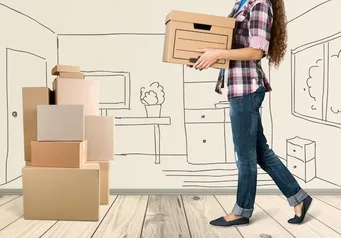
Organizing an effective move is essential to ensure that the process is as smooth as possible. Start by creating a detailed plan that includes key dates and specific tasks. Make a list of all the items you plan to take with you and categorize them into essentials, necessary, and dispensable. This will not only help you better visualize what you have, but it will also make packing easier. Remember to label each box with its contents and the room it belongs to; this will make unpacking in your new home much simpler.
Also, consider getting rid of things you no longer need before packing. You can organize garage sales or donate items in good condition to local organizations. This will not only reduce the amount of things you need to move, but it will also give you a sense of renewal as you start in your new home. Finally, make sure to have help, whether by hiring professionals or asking for support from friends and family. A supportive team can make a difference and turn the moving process into a more enjoyable and less stressful experience.
Adaptation to the new environment: Integrating into the community
Adapting to a new environment involves not only getting familiar with your housing but also integrating into the surrounding community. One of the best ways to start is by exploring your neighborhood. Walk through its streets, visit local parks, and discover nearby shops and restaurants. This immersion will help you recognize key places and feel more comfortable in the area. Additionally, participating in community events or local activities can be an excellent way to meet your new neighbors and establish meaningful relationships from the beginning.
Do not underestimate the importance of maintaining an open and friendly attitude when interacting with others. Often, current residents will be happy to share their recommendations on services, activities, and neighborhood secrets that can enrich your experience. Consider joining community groups or clubs that align with your interests; this will not only allow you to make new friends but also contribute to the sense of belonging in your new community. By integrating these steps into your adjustment process, you will be building a solid foundation to fully enjoy your new home and its surroundings.
Decoration: Creating a cozy atmosphere from the beginning
The decoration of your new home is one of the most exciting parts of the moving process, as it allows you to imprint your personal style and create a cozy atmosphere from day one. When choosing colors, furniture, and accessories, consider the atmosphere you want to generate: do you prefer a warm and inviting space or a modern and minimalist one? Soft shades like pastels or neutrals can make a space feel larger and more relaxing, while vibrant colors can add energy and character. Don't forget to include elements that reflect your personality, such as artwork, family photographs, or travel souvenirs.
In addition to colors and furniture choices, lighting plays a crucial role in creating a cozy atmosphere. Opt for a combination of warm and soft lights to achieve that homey feeling. Lamps with textured shades or pendant lights can add warmth to any room. It is also important to incorporate textiles such as cushions, blankets, and rugs; these elements not only add visual comfort but also invite relaxation. Remember that every corner can tell a story about you; so take your time to select each decorative piece until you feel it truly reflects who you are and how you want to live in that new space.
Solutions to optimize small spaces
When it comes to optimizing small spaces, the key is functionality and smart design. Making the most of every corner is essential; consider multifunctional furniture that can serve more than one purpose, such as a sofa bed or a coffee table with storage. Additionally, using vertical shelves will help maximize wall space, allowing you to store books and decorative items without sacrificing usable floor area. Don't underestimate the power of organization: keeping your belongings organized and visible will enable you to enjoy the available space more.
Lighting also plays a crucial role in the perception of space. Choose light colors for the walls and use strategically placed mirrors to reflect natural light and make rooms appear more spacious. Neutral tones in the decor create a sense of calm and expansiveness, while touches of color can add personality without visually overwhelming the environment. Remember that every detail matters; from accessories to the choice of lightweight curtains, everything contributes to creating a cozy and functional home in those limited square meters.
Initial maintenance: Taking care of your new property from day one
The initial maintenance of your new property is crucial to ensure it remains in optimal condition from day one. Upon arrival, conduct a thorough inspection of all facilities: check the electrical system, plumbing, and appliances. Verify that there are no leaks or visible issues and ensure that all devices are functioning properly. This step will not only help you identify potential problems before they become costly repairs, but it will also allow you to familiarize yourself with your new home and its specifics. In addition to addressing any immediate concerns, establish a regular maintenance plan that includes tasks such as cleaning filters, checking the heating or air conditioning system, and periodically reviewing the garden or patio. Investing time in this type of care at the beginning will not only extend the lifespan of your facilities but will also provide you with peace of mind knowing that you are properly taking care of your investment. Remember that a well-maintained home is synonymous with comfort and well-being, which is essential for fully enjoying this new phase of your life.
Useful resources to facilitate your adaptation and move
When starting the moving process, it is essential to have resources that facilitate your adaptation to your new home. There are multiple applications and platforms that can help you organize your move efficiently. For example, tools like packing checklists, price comparison services for hiring moving companies, and options to manage your expenses are essential. Additionally, consider joining groups on social media or local forums where you can connect with other residents of the neighborhood; this will not only provide you with valuable information about the area but also opportunities to make new friends.
Do not underestimate the power of community resources. Many cities offer free or low-cost programs that help newcomers better adapt to their surroundings. From classes on local culture to community events where you can meet people with similar interests, these resources can be invaluable during your transition. Take advantage of local libraries, community centers, and neighborhood associations that provide support and activities specifically designed to facilitate integration into your new home. Use all these available tools to make your move a more enriching and less stressful experience.
Advertisements
More in Adaptation

Preparation and Moving, Adaptation
Create a new beginning: preparations for a thoughtful move

Preparation and Moving, Adaptation
Guide to Making Key Decisions When Moving to Your New Home
Preparation and Moving, Adaptation
Guide to ensuring a smooth and trouble-free move

Preparation and Moving, Adaptation
Strategies for a move that maximizes your real estate investment
Most viewed in Preparation and Moving

Preparation and Moving, Moving
Tips for a successful move to your new home in Costa Rica

Preparation and Moving, Moving
Keys to ensure that your new home is a safe investment

Preparation and Moving, Transportation Services
Practical guide to ensure your move to an ideal new home
Preparation and Moving, Transportation Services
Practical tips for a move that protects your new investment