
Keys to ensure a move without surprises in your new home

Are you about to move and worried that unexpected issues might arise in your new home? A move can be an exciting process, but it can also bring unwanted surprises. In this article, we will share effective keys to ensure your transition is as smooth as possible. From the initial planning to the final adaptation, these tips will help you minimize stress and make the most of your new space. Get ready to become a moving expert!
The importance of good planning: steps prior to the move
Pre-move planning is essential to ensure the process goes smoothly. Before packing your belongings, it's crucial to create a detailed timeline that includes every stage of the process, from organizing items to hiring moving services. Setting specific dates for tasks, such as vacating the old home and arriving at the new one, will help you stay focused and prevent activities from piling up at the last minute. Additionally, making an inventory of your belongings will allow you to identify which items are essential and which could be donated or sold, thus optimizing space in your new home.
Another vital aspect of planning is researching your new neighborhood. Knowing the characteristics of the area where you will be moving can significantly ease your adaptation. Look into nearby services such as supermarkets, schools, and public transportation, as well as local regulations that may affect you. If possible, visit the neighborhood before moving to familiarize yourself with the surroundings and meet your future neighbors. Thorough preparation will not only reduce unpleasant surprises during the move but also lay a solid foundation for fully enjoying your new life in a familiar and welcoming environment.
Advertisements
How to choose the right moving company
When choosing a moving company, it is crucial to research and compare several options before making a decision. Start by asking for recommendations from friends, family, or colleagues who have had recent experiences with moving companies. Once you have an initial list, verify the credentials of each company: make sure they are properly licensed and insured. It is also helpful to check online reviews and ratings on specialized websites to get a clear idea of the quality of service they provide. Remember that experience and reputation are key factors that can make a difference in your move.
Another important aspect to consider is the budget. Request detailed quotes from the selected companies and make sure they include all associated costs, such as transportation, packaging, and any additional fees. Don't be swayed by just the lowest price; evaluate what services are included and if they offer guarantees in case of damage or loss during the move. Additionally, don't hesitate to ask specific questions about their process, estimated timelines, and packaging methods to ensure they align with your expectations and needs. Choosing the right company will provide you with peace of mind during this exciting but challenging time.
Essential checklist for a smooth move
A successful move begins with a well-structured checklist. Before packing your belongings, make sure to write down all the necessary steps to avoid surprises. Include tasks such as notifying service companies about your change of address, scheduling the disconnection and reconnection of essential services, as well as coordinating the transportation of your furniture and belongings. This checklist should be a living document that you update as you complete each task, which will help you stay focused and organized.
Additionally, consider the possibility of dividing your list into categories: what you need to do before moving day, activities on the day itself, and details to attend to after arriving at your new home. This will not only give you a clear view of the process but also make it easier to track your progress. Remember to include important items such as proper packing of fragile objects and gathering materials for packing. With an organized list in hand, you can significantly reduce the stress associated with moving and ensure that everything is under control when the big day arrives.
Efficient packing: tips to protect your belongings
Efficient packing is essential to protect your belongings during a move. To start, make sure to use appropriate packing materials, such as sturdy boxes, bubble wrap, and high-quality tape. Organize your items by category and label each box with its contents and the room they belong to in your new home. This will not only make the unpacking process easier but will also help you quickly identify any item that may need special attention.
Additionally, consider implementing smart packing techniques to maximize space and minimize the risk of damage. For example, use towels or soft clothing to wrap fragile items before placing them in the boxes. You can also fill the empty spaces inside the boxes with additional packing material to prevent items from shifting during transport. Remember that good organization during packing not only protects your belongings, but also allows for a more orderly start in your new home.
Strategies to organize your new home from day one
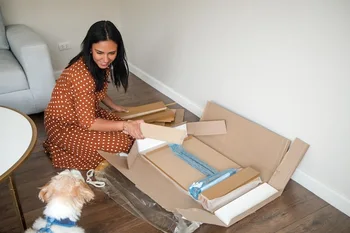
Once you have arrived at your new home, it is crucial to establish an organization plan from day one. Start by assigning specific areas for each category of items: furniture, appliances, clothing, and decorative objects. Use boxes and labels to facilitate the identification of each space. When unpacking, follow the principle of "one thing at a time" to avoid chaos; start with the essential rooms like the kitchen and the bedroom. This will not only help you have a clear view of the progress but also allow you to set up a functional environment quickly.
Also, consider implementing smart storage solutions from the beginning. Adjustable shelves, under-bed organizers, and baskets can be your best allies to maximize the available space and keep everything in order. Don't forget to allocate a specific place for the items you use frequently; having quick access to them will make your new home feel cozier from the very first moment.
Finally, involve the whole family in this organization process. Assigning specific tasks according to each person's abilities will not only speed up the move but also foster a sense of belonging to the new home. As everyone collaborates to make their space functional and pleasant, you will be able to enjoy this new stage more fully without setbacks or accumulated clutter.
Emotional adaptation: how to cope with changes in the environment
Moving to a new home involves not only a physical change of space but also an emotional transformation that can be challenging. It is common to feel a mix of anxiety and excitement when facing the unknown. To ease this emotional adjustment, it is essential to acknowledge and validate your feelings. Allow yourself to experience nostalgia for the old home, but also focus on the opportunities that the new environment offers. Creating a familiar atmosphere from the start, decorating with meaningful objects or adding personal touches, can help mitigate the feeling of dislocation and make you feel more comfortable quickly.
Another effective strategy is to establish a daily routine in your new home. Just like in any significant change, maintaining certain regular activities can provide emotional stability during the adjustment process. Whether it's enjoying your morning coffee in the new kitchen or taking walks around the neighborhood, these small habits can help you build a sense of belonging. Additionally, connecting with new neighbors and exploring the community will allow you to forge new relationships and create positive memories in your new life. Remember that every move is an opportunity to grow and reinvent yourself; with patience and openness, you will soon feel at home.
Integrating into the community: tips for making new friends
Integrating into the community is one of the most important steps to make your new home a place where you truly feel comfortable. To start, consider participating in local activities, such as fairs, markets, or cultural events that take place in your neighborhood. These are excellent opportunities to meet your neighbors and create meaningful connections. Don't underestimate the power of a smile and a greeting; often, friendships begin with a simple gesture. Additionally, don't hesitate to introduce yourself to those around you; most people appreciate making new friends and will be happy to meet you.
Another effective strategy is to join groups or clubs that align with your personal interests. Whether it's sports, art, reading, or volunteering, these organizations can make it easier for you to find people with similar tastes. You can also use digital platforms or social media to connect with other residents who share your hobbies or concerns about the community. Remember that building relationships takes time and effort; be patient with yourself as you adapt to your new environment. With each interaction, you'll be one step closer to feeling like an integral part of your new community.
Post-move maintenance: ensuring a comfortable and functional home
Post-move maintenance is an essential step to ensure that your new home becomes a comfortable and functional space. Once you have unpacked your boxes and organized your belongings, it is crucial to take time to inspect every corner of the house. Start by checking important systems such as plumbing, electricity, and heating or air conditioning. Make sure everything is working properly and take note of any issues that need immediate attention. This proactive approach not only prevents unpleasant surprises in the future but also allows you to fully enjoy your new environment without worries.
In addition to the technical reviews, consider doing a deep clean in your new home. Although it may seem tedious after a move, this process will help you establish a healthy environment from the start. Cleaning the spaces before placing your furniture and decorations will allow you to begin with a fresh and organized foundation. Take the opportunity to organize closets, pantries, and other storage spaces; this will facilitate daily use and make your home feel more inviting. By taking care of these post-move details, you will be creating an environment where you and your family can feel comfortable, functional, and happy for a long time.
Advertisements
More in Adaptation
Preparation and Moving, Adaptation
Create a new beginning: preparations for a thoughtful move

Preparation and Moving, Adaptation
Guide to Making Key Decisions When Moving to Your New Home
Preparation and Moving, Adaptation
Guide to ensuring a smooth and trouble-free move
Preparation and Moving, Adaptation
Strategies for a move that maximizes your real estate investment
Most viewed in Preparation and Moving

Preparation and Moving, Moving
Tips for a successful move to your new home in Costa Rica

Preparation and Moving, Moving
Keys to ensure that your new home is a safe investment
Preparation and Moving, Transportation Services
Practical guide to ensure your move to an ideal new home
Preparation and Moving, Transportation Services
Practical tips for a move that protects your new investment