
Fundamentals for ensuring a move that protects your new home
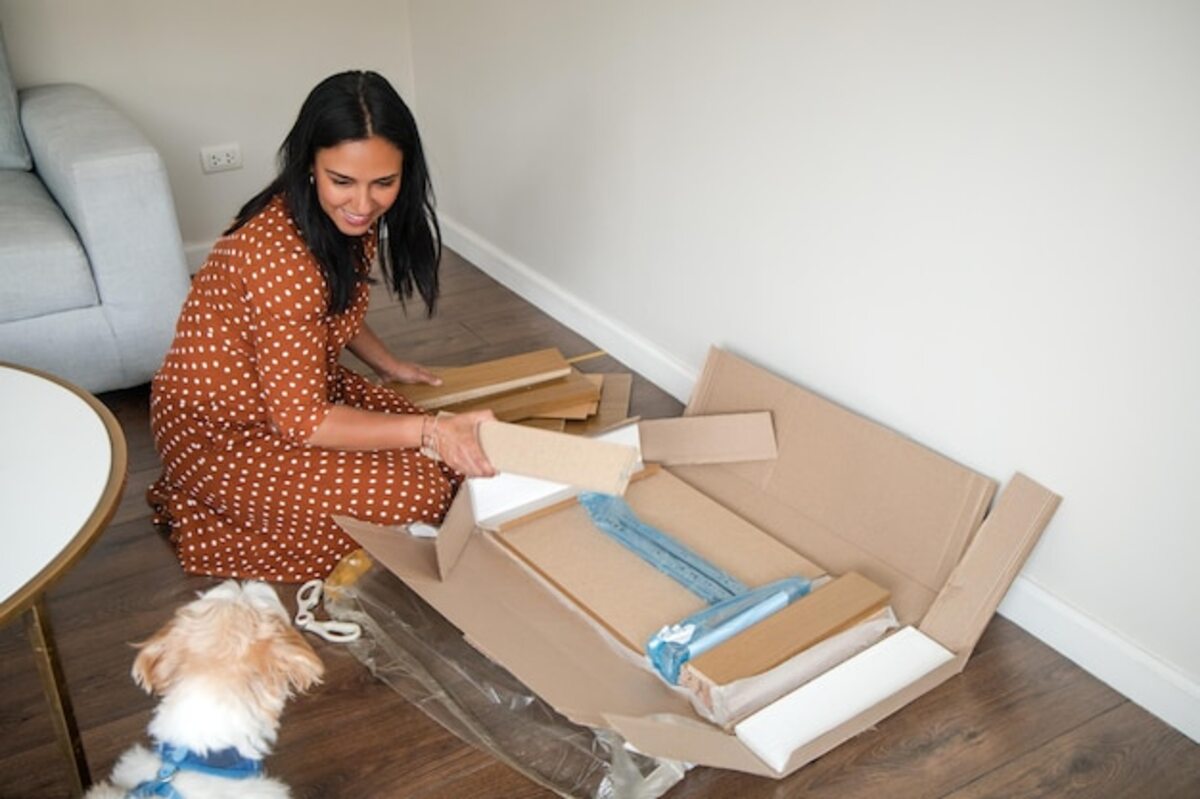
Ensuring a move that protects your new home is essential for enjoying a smooth start. In this article, we will explore the essential aspects you should consider to ensure that each item arrives at its destination in perfect condition, without causing damage or unnecessary stress. From the initial planning to the final unpacking, these tips will help you execute an efficient and safe move, allowing you to focus on what matters most: making your new home a welcoming place.
Advance planning: the key to success in your move
Advance planning is the first crucial step for carrying out a successful and smooth move. Starting early allows you to assess which items you need to relocate, which can be sold or donated, thereby reducing the load you will have to move. Establishing a timeline with key dates, such as booking moving services and obtaining packing supplies, will help you stay organized and prevent unforeseen issues from arising at the last minute. Additionally, having a clear plan will allow you to assign tasks to family members or friends who will assist you in this process.
By planning ahead, you can research best practices for protecting your belongings during the move. From the proper use of boxes and packing materials to hiring professionals who ensure careful handling of your most fragile items, every detail matters. Don't forget to check the regulations of the new neighborhood regarding allowed moving hours or if any special permits are required. Good planning not only protects your material goods but also significantly reduces the stress associated with the process, allowing you to focus on making your new home welcoming from day one.
Advertisements
Selection of appropriate packaging materials
Choosing the right packing materials is a crucial step to ensure that your belongings arrive at your new home in perfect condition. When selecting materials, consider the type and fragility of the items you will be transporting. For example, cardboard boxes are ideal for lightweight and non-fragile items, while sturdy plastic containers or reinforced boxes are more appropriate for heavy or delicate objects. Don't forget to use bubble wrap, blankets, or old towels to wrap fragile items like ceramics or glass; this will provide them with an extra layer of protection during transport.
In addition to boxes and wrapping, it's important to have sturdy tape and permanent markers. Make sure to seal each box well with tape to prevent it from opening during transport, and use the markers to clearly label each container according to its contents and the room it belongs to in your new home. This organization will not only facilitate the loading and unloading process but will also help you quickly find what you need when unpacking. Remember that investing time in selecting the right materials can save you many inconveniences in the future, making your move smoother and less stressful.
How to protect furniture and fragile items during the move
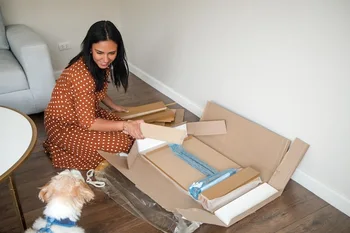
To protect furniture and fragile items during the move, it is essential to have the right packing materials. Start by obtaining sturdy boxes designed for heavy loads, as well as bubble wrap, blankets, and tape. When packing the items, make sure to individually wrap each fragile object in bubble wrap or soft blankets to prevent bumps and scratches. Fill any empty space inside the boxes with cushioning material, such as crumpled paper or foam, so that the items do not shift during transport. Clearly label each box with its contents and the word "fragile" so that everyone involved in the move handles these boxes with the necessary care.
In addition to the proper use of packing materials, it is important to adopt correct techniques when moving large furniture. Disassemble those that can be taken apart to facilitate transportation and avoid damage to corners or doors. Use dollies or hand trucks to load heavy pieces and secure them well in the vehicle with straps or ropes, preventing them from moving during transit. If possible, consider hiring experienced professionals who know how to properly handle delicate and bulky items. With these precautions, you will not only reduce the risk of damage to your belongings but also make the moving process a much smoother and less stressful experience.
Strategies for Organizing and Labeling Boxes Effectively
Organizing and labeling boxes effectively is crucial for a hassle-free move. Before you start packing, make sure you have enough boxes of various sizes, sturdy tape, and protective materials like bubble wrap or crumpled paper on hand. A good strategy is to group items by room or category; for example, all kitchen utensils in one box and all books in another. This will not only make the packing process easier but also allow for a much smoother and more organized unpacking. When you are ready to pack, fill each box to its maximum capacity without exceeding it to avoid damage.
Once the boxes are ready, labeling plays a crucial role. Use large and readable labels where you indicate not only the contents but also the room they belong to. This will allow you and any helpers to quickly identify where each box should go in your new home. If you prefer, you can implement a color-coding system: for example, use green labels for the kitchen, blue for the living room, and pink for the bedrooms. Upon arriving at your new home, this visual organization will make the unpacking process more efficient and less stressful, allowing you to quickly enjoy the refreshed space.
Hiring professionals vs. DIY: what to choose?
The decision between hiring professionals or opting for the "do it yourself" (DIY) approach for your move is crucial and can significantly influence the protection of your new home. Professional moving services have the experience and proper tools to handle your belongings with care, minimizing the risk of damage. Additionally, their knowledge of effective packing and transportation techniques ensures that each item arrives at its destination in optimal condition. By relying on experts, you can also free up time and reduce the stress associated with the logistics of moving, allowing you to focus on other important aspects of settling into your new space. On the other hand, the DIY approach can be an attractive option for those looking to save costs or have greater control over the process. However, this alternative requires meticulous planning and considerable physical effort. It also involves taking full responsibility for any possible damage that may occur during handling and transportation. If you decide to go this route, make sure you have the appropriate resources, such as sturdy boxes and suitable tools, as well as additional help if needed. Ultimately, the choice between hiring professionals or doing it yourself will depend on your personal priorities and the level of risk you are willing to take during this transition to your new home.
Securing your new home before moving in
Securing your new home before moving in is a crucial step that should not be overlooked. This involves conducting a thorough inspection of the property, checking that all locks are in good condition and functioning properly. Consider changing the existing locks for added security, especially if the property has had multiple tenants or previous owners. Additionally, check the windows and doors to ensure there are no vulnerable points that could compromise the safety of your belongings once you arrive with your things. Installing security cameras or alarm systems can also provide you with peace of mind during the moving process.
Another important strategy is to ensure basic services are active before your arrival. Check that the electricity, water, and gas supply are functioning properly. This will help you avoid any inconveniences when you move into your new home. Additionally, consider scheduling the connection of internet and other essential services in advance to facilitate the transition. Also, remember to notify your providers of your change of address to avoid service interruptions and ensure that everything is ready for you from day one in your new space. With these steps, you can begin this new phase with confidence and peace of mind, focusing on enjoying every corner of your newly acquired home.
Disconnection and reconnection of basic services: what you need to know
When moving, it is crucial to not only think about the physical items you will be relocating but also about the disconnection and reconnection of basic services. Before leaving your old home, make sure to contact the utility companies to schedule the proper disconnection. This includes electricity, water, gas, and internet. Being informed about the necessary timelines for these arrangements can prevent unpleasant surprises on moving day. Additionally, check if there are any costs associated with the disconnection or if it is necessary to return equipment like modems or routers.
Once you arrive at your new home, it will be essential to quickly establish those same services to ensure a comfortable and functional transition. Contact the relevant companies in advance to coordinate the connection of basic services on the day of your arrival or one or two days later. Make sure you have all the required documents ready and check that everything is working properly before you get rid of the packing chaos. By maintaining an organized approach to managing these services, you will be one step closer to fully enjoying your new space from day one.
Tips for a fast and organized unpacking
To carry out a quick and orderly unpacking, it is essential to plan ahead. Before starting the process, designate a specific area in your new home where you can place the boxes according to their contents or the room they belong to. Use clear and visible labels on each box, indicating not only its contents but also the location it should go to. This will greatly facilitate the unpacking process and prevent you from feeling overwhelmed by the initial mess. Additionally, consider unpacking one room at a time to maintain an organized approach.
Once you have placed all the boxes in their respective rooms, start with the essentials: kitchen, bathroom, and bedroom. Unpack those items you need daily before moving on to decorative or less urgent objects. To keep everything under control, set a realistic schedule and take breaks if necessary; this will help you avoid fatigue and ensure that each item is handled with care. Remember that enjoying the process of making your new house a home can be just as important as the move itself.
How to make your new neighbors feel welcome
Making your new neighbors feel welcome is an essential component of establishing a good relationship in your new community. A simple gesture, like presenting them with a welcome card or bringing them a small gift, can break the ice and show your interest in making a connection. Consider adding something that represents your local culture or even a homemade dish. These types of details not only make your neighbors feel valued but can also open the door to future friendly interactions.
Additionally, organizing a small gathering at home can be an excellent way to meet your neighbors and allow them to get to know you and your family. You can take this opportunity to share stories about your move, ask them about the area, or simply enjoy a pleasant conversation. Remember that creating a welcoming atmosphere is not only about making your home feel nice but also about fostering a sense of community, which will enhance your experience in the new neighborhood and contribute to a more harmonious environment for everyone.
Advertisements
More in Moving
Preparation and Moving, Moving
Tips for a successful move to your new home in Costa Rica

Preparation and Moving, Moving
Keys to ensure that your new home is a safe investment

Preparation and Moving, Moving
Strategies to confidently choose your new neighborhood
Preparation and Moving, Moving
How to choose the perfect time to move to your new home
Most viewed in Preparation and Moving
Preparation and Moving, Moving
Tips for a successful move to your new home in Costa Rica
Preparation and Moving, Moving
Keys to ensure that your new home is a safe investment
Preparation and Moving, Transportation Services
Practical guide to ensure your move to an ideal new home
Preparation and Moving, Transportation Services
Practical tips for a move that protects your new investment