
How to navigate the moving process to protect your investment
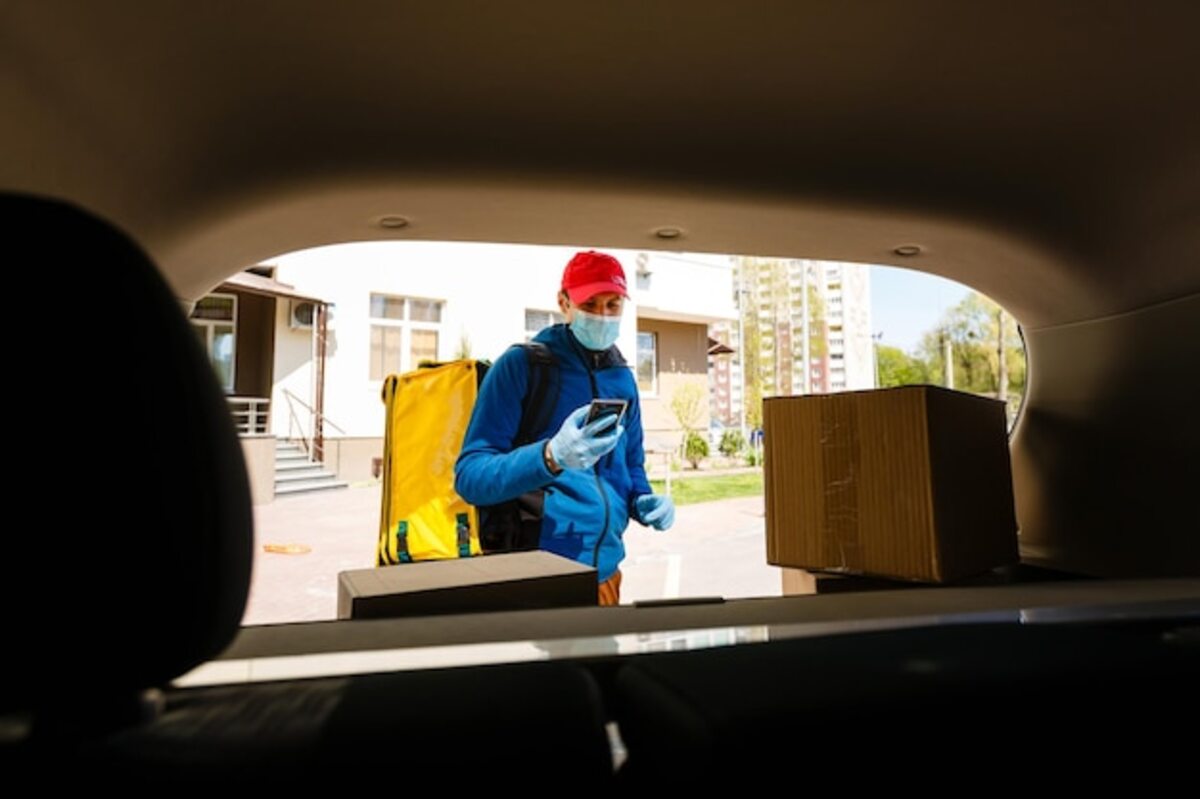
Are you about to move and worried about how to protect your investment during the process? Navigating a move can be overwhelming, but with the right strategy in transportation services, you can ensure that your belongings arrive at their destination without setbacks. In this article, you will discover practical and effective tips to minimize risks and maximize the security of your goods. Get ready to turn this stressful experience into a smooth and secure process.
Importance of choosing the right transportation company
Choosing the right transportation company is a crucial step in the moving process, as a good selection can make the difference between a hassle-free experience and a real headache. Not all moving companies are the same; some have more experience, better equipment, and a stronger reputation than others. Thoroughly researching the available options will allow you to identify those that offer reliable and safe services, in addition to ensuring that they are properly licensed and insured. By making this choice carefully, you can minimize the risk of damage or loss during the move.
In addition, by choosing the right company, you can also benefit from additional services that facilitate the entire process. Many companies offer options such as professional packing, temporary storage, and real-time tracking of the transport. These services not only add an extra level of protection to your belongings but also provide you with peace of mind during the process. Remember to read reviews and testimonials from other customers to get a clear insight into the quality of service offered by each company. A good provider will not only take care of your material goods but will also become a valuable ally in your journey to your new home.
Advertisements
Pre-preparation: efficient organization and packaging
Prior preparation is key to carrying out an efficient and safe move. Before you start packing, take time to organize your belongings. Sort your items into categories: what you need to keep, what you can donate or sell, and what is destined for the trash. This first stage will not only help you reduce the amount of things you need to move, but it will also make the packing process easier by allowing you to focus on the most important items. Additionally, having a detailed inventory of your possessions can be invaluable if any issues arise during the move.
Once you have organized your belongings, the next step is efficient packing. Use quality materials such as sturdy boxes, bubble wrap, and packing paper to protect your more fragile items. Label each box with its contents and the room it belongs to; this will not only make loading and unloading easier, but it will also allow you to quickly find what you need in your new home. Also, consider using methods like packing by room or by frequency of use to maximize efficiency when unpacking. With good organization and a methodical approach to packing, you will be better prepared to handle any unforeseen events during the move and thus protect your personal investment.
Securing your belongings: necessary insurance and coverage
Securing your belongings during a move is essential to protect your investment. Before starting the process, it is vital to assess what type of insurance or coverage you need. Many moving companies offer basic insurance that covers damages incurred during transportation, but often these are not sufficient for the full value of your belongings. Research the additional options they may offer, such as coverage for accidental damage or theft, and consider acquiring specific insurance if you have valuable or fragile items that require special attention. In addition to the insurance offered by moving companies, it is also advisable to review your home insurance policies and consult with your insurer about coverage during a move. Some policies may extend their protection to your belongings while they are in transit, which can save you money and worries. Be sure to document all your items before the move, taking photographs and noting their current condition; this will serve as proof in case of any future claims. With good planning and the right coverage, you can minimize the risks associated with your move and effectively protect your investment.
Essential documentation for a hassle-free move
To ensure a successful move, it is essential to have the necessary documentation that will allow you to maintain complete control over the process. Start by creating a detailed inventory of your belongings, making sure to include descriptions and photos of the most valuable items. This document will not only help you organize your things, but it will also be useful in case you need to file claims with the moving company or your insurance. Additionally, make sure to have copies of contracts, invoices, and any relevant communication with service providers on hand.
Don't forget to gather important information such as personal and legal documents, including passports, birth certificates, and insurance policies. Keeping these documents in a separate and accessible folder during the move will minimize the risk of loss or damage. Finally, consider creating a contingency plan that includes key contacts such as the transport customer service and information about the new place. Having this documentation organized will not only facilitate the logistical process but also provide you with peace of mind while protecting your most valuable investment: your home and all its belongings.
Strategies to minimize costs without sacrificing quality
To minimize costs without sacrificing quality during your move, it is essential to plan ahead. One of the best strategies is to compare different moving companies and their services. Do not limit yourself to choosing the cheapest option; instead, research the reputation of each company, read reviews, and request detailed quotes that include all potential costs. This will allow you to make an informed decision and ensure that you are getting an efficient and reliable service that protects your belongings.
Consider doing part of the work yourself to cut costs. Packing your belongings can be a laborious task, but doing it properly will not only save you money on labor but also give you greater control over how your valuable items are handled. Use recycled or reusable packing materials to keep costs low and make sure to label the boxes clearly to facilitate the unpacking process. This combination of careful preparation and personal effort can make a significant difference in your moving experience without compromising the quality of the service received.
The logistics of transportation: optimal times and routes
The logistics of transportation is a crucial aspect of any move, as it involves not only selecting the right company but also planning optimal times and routes. Before choosing the moving day, consider factors such as traffic, weather conditions, and loading and unloading schedules at both locations. A good practice is to conduct a prior evaluation of the route to identify potential obstacles that may delay the process. By planning ahead, you not only ensure a more efficient transfer but also minimize the risk of damage to your belongings by avoiding complicated or dangerous routes.
Additionally, coordinating pickup and delivery times can make a significant difference in your overall experience. Communicating with your moving company to establish a clear schedule will help ensure that everyone is aligned regarding expectations. Consider also creating a detailed inventory of your items before transport; this will not only allow you to track your belongings during the move but also facilitate any claims in case something is lost or damaged. With well-managed logistics, you can protect your investment and enjoy the new chapter beginning in your life without unnecessary worries.
How to handle fragile and valuable items during the move
Handling fragile and valuable items during a move requires special attention and a methodical approach. Before starting the process, make sure you have the right materials: sturdy boxes, bubble wrap, moving blankets, and tape. Begin by wrapping each delicate item individually in bubble wrap or blankets, which will provide the necessary protection against shocks and vibrations. Additionally, when packing these items, it is advisable to label the boxes as "fragile" so that everyone involved in the move is aware of their contents and handles those packages with greater care.
Once you arrive at your new home, it is essential to relieve the accumulated stress by unpacking your most valuable items first. Place them in a safe location while you organize the rest of your belongings. If you have extremely fragile or expensive items, consider the option of transporting them with you in your personal vehicle to ensure they are under your supervision at all times. By following these guidelines, you will not only protect your most treasured possessions during the move but also feel more at ease knowing that you have taken effective measures to safeguard your investment.
Post-Move Tips: Settling In Without Complications
Once you have arrived at your new home, the settling-in process becomes a crucial stage to ensure that your investment is protected in the long term. Start by taking a detailed inventory of your belongings and checking that everything has arrived in perfect condition. This will not only help you identify any damage or loss, but it will also allow you to better organize your spaces. Take this moment to unpack strategically, prioritizing essential items and those you use most in your daily life. This way, you will avoid a sense of chaos and can begin to enjoy your new surroundings quickly.
It is also essential to establish a maintenance routine from the beginning. Conduct a thorough review of the electrical system, plumbing, and any other relevant aspects of the home. This will not only ensure the proper functioning of the house but also allow you to detect potential problems before they become major expenses. Consider creating a calendar with regular maintenance tasks and staying alert to changes or unusual signs in your new space. By doing so, you not only protect your investment but also contribute to the overall well-being of your family and the comfort of the home.
Real testimonials: experiences that highlight the importance of transportation service
The transportation service can make the difference between a successful move and one filled with setbacks. Many have shared their experiences, highlighting how a good transportation team not only ensures that their belongings arrive in perfect condition but also provides peace of mind throughout the process. For example, Laura, who moved to a new city for work, emphasized how crucial it was to choose a company with good references. "From the first contact to the final delivery, I felt that my things were in safe hands. The constant communication made me feel supported," she recounted.
Another impactful testimony is that of Javier and Ana, who decided to move after the arrival of their first child. Their biggest fear was that the furniture and fragile items would get damaged during the move. "We opted for a service specialized in family relocations and we couldn't be more satisfied. Not only did they arrive on time, but every box was labeled and organized in such a way that it made unpacking easier," they shared enthusiastically. These real stories highlight the importance of selecting a reliable transport service; a right decision can transform a potentially stressful experience into a rewarding memory.
Advertisements
More in Transportation Services
Preparation and Moving, Transportation Services
Practical guide to ensure your move to an ideal new home
Preparation and Moving, Transportation Services
Practical tips for a move that protects your new investment

Preparation and Moving, Transportation Services
Discover how music can make your move easier

Preparation and Moving, Transportation Services
How to make an effective transition when moving to your new home
Most viewed in Preparation and Moving

Preparation and Moving, Moving
Tips for a successful move to your new home in Costa Rica

Preparation and Moving, Moving
Keys to ensure that your new home is a safe investment
Preparation and Moving, Transportation Services
Practical guide to ensure your move to an ideal new home
Preparation and Moving, Transportation Services
Practical tips for a move that protects your new investment