
Practical guide to ensure your move to an ideal new home
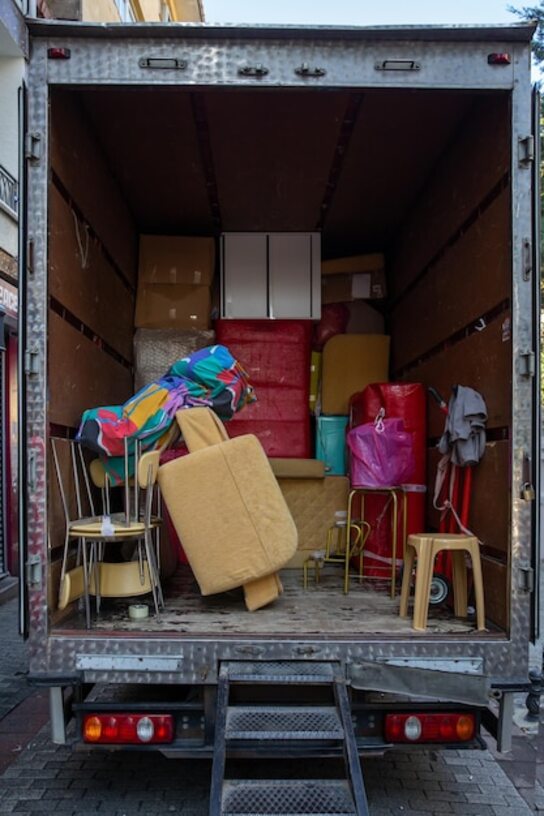
Are you ready to take the exciting step towards your new home? Moving can be a challenging process, but with the right guidance, you can turn it into a smooth and stress-free experience. In this 'Practical Guide to Securing Your Move to an Ideal New Home', we will provide you with essential tips on transportation services that will ensure your belongings arrive at their destination safely. Get ready to discover the secrets that will make your move a resounding success and transform this new chapter into the adventure you've always dreamed of.
Advance planning: the key to success in your move
Advance planning is essential to ensure a successful and smooth move. Starting the process with enough time will allow you to organize, take inventory of your belongings, and decide which items you want to take with you, sell, or donate. By establishing a detailed timeline that includes key dates, such as hiring moving services and preparing your new home, you can avoid last-minute stress and ensure that every aspect is covered. A task list can be your best ally at this stage; this way, you can visualize what you have already completed and what is still left to do.
Additionally, advance planning gives you the opportunity to research moving companies available in your area. Comparing prices and reading reviews will help you choose a reliable service that fits your budget and specific needs. Don't forget to also consider logistical aspects, such as access to the building or restrictions on the timing for the move. The more prepared you are in advance, the fewer surprises you will face on the way to your new home, allowing you to enjoy the process without stress or unforeseen events.
Advertisements
How to choose the right transportation service for you
Choosing the right transportation service is a crucial step to ensure that your move is carried out efficiently and without setbacks. Before making a decision, assess your specific needs: the amount of belongings you need to transport, the distance between your old and new home, and whether you require additional services such as packing or temporary storage. Research different moving companies and review their credentials, experience, and feedback from other customers. Comparing prices is important, but don’t forget to also consider the quality of service; sometimes the cheapest option can lead to unpleasant surprises.
Once you have narrowed down your options, contact the companies directly to obtain detailed quotes. Ask about the insurance they offer in case of damage or loss during transportation, as well as their policies for unforeseen events. Be sure to also inquire about the equipment used and the training of the personnel responsible for the move; having well-trained professionals can make a difference in the care your most precious items will receive. Taking the time to choose the right service will not only ease your move but also give you peace of mind knowing that your belongings are in good hands.
Essential checklist for an efficient move
An efficient move begins with a well-structured checklist that will guide you throughout the entire process. Before packing your belongings, make sure to have a clear timeline that includes key dates, such as the confirmation of the transportation service and deadlines for packing each room. Divide your list into specific sections, from the initial preparation to moving day, and don't forget to include tasks like notifying the relevant entities about your change of address and coordinating the disconnection and reconnection of basic services in your new home.
Additionally, it is essential to make a detailed inventory of your belongings. Sort items into categories (such as clothing, kitchen utensils, or furniture) and be sure to label all boxes with their contents and the location they belong to in your new home. This will not only facilitate the loading and unloading process but also help you quickly locate essentials when you arrive at your destination. Remember that good organization can make the difference between a chaotic move and a smooth experience.
Finally, consider including a section in your list for essential items you will need during the first days in your new home. This could include items like clean clothes, personal hygiene products, basic cooking utensils, and important documents. By having all of this prepared and accessible, you can focus on enjoying your new place without additional stress while you adapt to this exciting change in your life.
Tips for packing your belongings safely
To pack your belongings securely, it is essential to have the right materials. Use sturdy boxes of various sizes to accommodate different items, and do not skimp on using packing tape to reinforce the seams. Protect fragile items with bubble wrap or kraft paper, ensuring that each piece is well-wrapped before placing it in the box. Don’t forget to fill empty spaces with cushioning material, such as towels or clothing, to prevent things from shifting during transport. Remember to label each box with its contents and the room it belongs to; this will make the unpacking process in your new home easier.
Another important recommendation is to organize your belongings by categories. Group similar items, such as kitchen utensils, books, or decorative items, to simplify both packing and unpacking. By doing this, you will be able to quickly identify what you need in your new space without cluttering everything. Additionally, consider creating an inventory system where you note what is in each box; this can be especially useful if you hire a moving company, as it will allow them to handle your belongings with greater care and precision. With these practical tips for packing your belongings safely, you will be one step closer to fully enjoying your new home adventure.
Strategies to protect your furniture during the move
Protecting your furniture during the move is essential to ensure it arrives at your new home in perfect condition. One of the most effective strategies is to wrap each piece in blankets or bubble wrap. This will not only prevent scratches and dents but also provide an additional layer against moisture and potential spills. When wrapping your furniture, be sure to use quality adhesive tape to keep everything tightly secured, avoiding any unnecessary movement during transport.
Another important measure is to disassemble the furniture whenever possible. This makes handling easier and reduces the risk of damage to corners and surfaces. Store screws and small pieces in labeled bags so they are easy to find when reassembling everything in your new home. Additionally, consider using special boxes for fragile items like glassware or decorative elements. These boxes are designed to provide greater protection and ensure that your belongings arrive safely at their final destination. By implementing these simple yet effective strategies, you can minimize the stress associated with moving and fully enjoy the process of settling into your new space.
Considerations on costs and budgets for transportation services
When planning your move, one of the most critical aspects you need to consider is the costs associated with transportation services. It’s essential to create a detailed budget that accounts for all possible expenses, from vehicle rental to labor costs if you decide to hire professionals. Make sure to research different moving companies to compare prices and services, and don’t forget to ask about additional fees that may arise, such as charges for distance, extra time, or special conditions. A good budget will give you a clear view of what you can spend without compromising the quality of service.
In addition to the direct transportation costs, it is important to consider other factors that could influence the total budget. For example, if you live in a building without an elevator or if your new home has limited access for large vehicles, this could increase the cost due to the need for additional maneuvering or manual transfers. Also consider the cost of packing your belongings: if you decide to do it yourself, you will need to buy suitable materials such as boxes and tape; otherwise, check how much the company would charge to provide this service. By anticipating these details, you can avoid unpleasant surprises and ensure that your move is carried out within the financial framework you have proposed.
The role of insurance during your move: is it necessary?
Insurance during a move may seem like an additional expense, but its importance should not be underestimated. When relocating your belongings from one place to another, there is a risk of damage or loss that can occur for various reasons, from accidents during transport to adverse weather conditions. Having adequate insurance will provide you with the peace of mind needed to focus on enjoying your new home without unnecessary worries about what could happen to your belongings. There are different types of insurance available for moves, and it is essential to know which one best suits your needs. Some moving companies offer basic coverage included in their services, while others allow you to purchase additional policies to insure higher-value items. Researching and understanding the available options will enable you to make informed decisions and protect what you value most during this exciting change. This way, you can enjoy the process without fear of unforeseen events that could ruin your experience.
Tips for organizing the logistics of moving day
To ensure that moving day goes smoothly, it is essential to plan the logistics in advance. Start by creating a detailed schedule that covers everything from packing to arriving at the new home. Set times for loading and unloading belongings, considering breaks for rest and meals. Involve the whole family in this planning; assign specific tasks to each member, which will not only make the process easier but also foster a sense of collaboration and shared responsibility.
Don't forget to coordinate all practical aspects of the move. Make sure you have enough packing materials, such as sturdy boxes and bubble wrap, as well as labels to quickly identify the contents of each box. If you are using professional moving services, confirm all the details in advance: check the arrival time of the team and ensure they have access to both the old place and the new home. Good communication with your helpers or the hired company can make a big difference in how the day unfolds, allowing you to enjoy the process more and stress less about it.
What to do once you arrive at the new home: setup and organization
Once you have arrived at your new home, the setup and organization of your belongings are crucial steps to turning that house into a true home. The first thing you should do is get rid of the boxes and packing materials, as this will allow you to better visualize the space and start organizing. Begin with the most essential items, such as furniture and appliances; make sure to place them in the corresponding rooms before proceeding to organize other objects. A good practice is to work room by room, which will make the process easier and prevent feelings of overwhelm.
As you start to unpack your belongings, consider creating specific zones for each type of item: kitchen, living room, bedroom, and bathroom. This will not only help keep things organized but also allow you to quickly find what you need. Don't forget to label storage spaces or use clear boxes for easier visibility. Take this moment to rethink your organization: perhaps there are items you no longer use or that could have a more convenient place in your new home. At the end of the day, investing time in proper setup and organization will enable you to fully enjoy your new environment from the very first moment.
Advertisements
More in Transportation Services
Preparation and Moving, Transportation Services
Practical tips for a move that protects your new investment

Preparation and Moving, Transportation Services
Discover how music can make your move easier

Preparation and Moving, Transportation Services
How to make an effective transition when moving to your new home

Preparation and Moving, Transportation Services
How to navigate the moving process to protect your investment
Most viewed in Preparation and Moving

Preparation and Moving, Moving
Tips for a successful move to your new home in Costa Rica

Preparation and Moving, Moving
Keys to ensure that your new home is a safe investment
Preparation and Moving, Transportation Services
Practical tips for a move that protects your new investment
Preparation and Moving, Transportation Services
Discover how music can make your move easier