
Practical tips for a move that protects your new investment
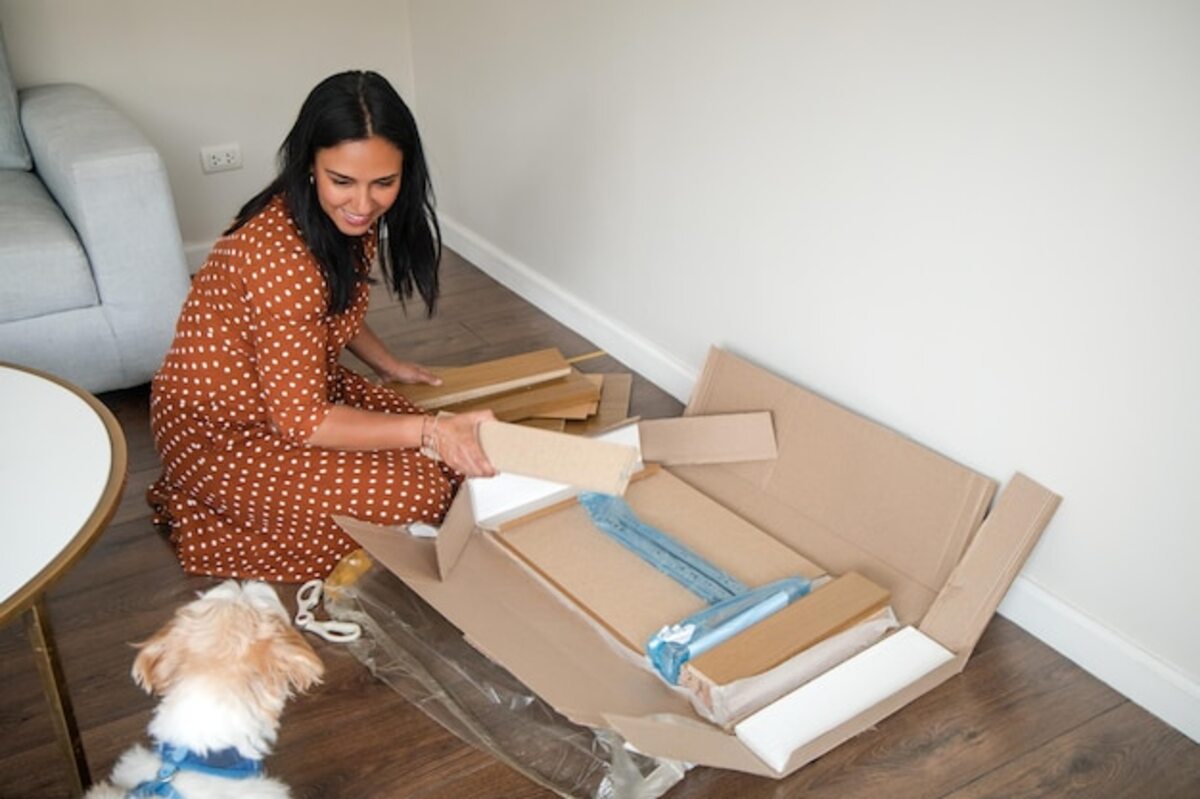
Moving to a new home is an exciting adventure, but it can also be a challenge if not planned properly. Protecting your new investment during the moving process is crucial to avoid unpleasant surprises. In this article, we will provide practical tips to help ensure your belongings arrive at their destination in perfect condition, thereby optimizing your moving experience and guaranteeing the protection of your assets. Get ready to make this transition a smooth phase!
Evaluate your belongings: What to take and what to leave?
Before starting the moving process, it is essential to conduct a thorough evaluation of your belongings. Take the necessary time to review each room and decide which items you truly need to take with you to your new home. This exercise will not only help you reduce the amount of things you need to transport, but it will also allow you to identify items that can be donated, sold, or recycled. Ask yourself if each object has sentimental or practical value in your daily life; if the answer is no, consider leaving it behind to make your move easier and save space in your new home.
In addition to making physical space, getting rid of unnecessary things can positively impact your emotional well-being. Moving is a perfect opportunity to start anew and free yourself from the clutter accumulated over time. By consciously choosing what you decide to take with you, you can create a more organized and welcoming environment that reflects your current tastes and needs. Remember that each item you choose to keep should add value to your new life; this way, you can fully enjoy this exciting chapter without the burdens of the past.
Advertisements
Selection of the appropriate transportation service: factors to consider
Choosing the right transportation service is one of the most important aspects to consider in any move. When selecting a moving company, it is essential to research their credentials and reputation in the market. Look for online reviews, request references, and ensure that they are properly insured and licensed. This will give you the peace of mind knowing that your belongings will be in trustworthy and experienced hands throughout the process, from loading to delivery at your new home. Additionally, consider whether they offer additional services such as packing or temporary storage, which can be very helpful depending on your specific needs.
Another crucial factor to consider is the cost of the service. Comparing prices between different companies can help you find an option that fits your budget without compromising the quality of the service. However, be cautious of offers that are too low; they can often indicate poor service or lack of experience. It is advisable to request a detailed quote that includes all potential costs, such as mileage fees, additional insurance, or extra time charges. This way, you can make an informed decision that not only protects your material belongings but also your financial investment in this new chapter of your life.
Efficient packaging: techniques to protect your valuable items
Efficient packing is essential to protect your valuable items during a move. Start by selecting the right materials: sturdy boxes, bubble wrap, kraft paper, and quality tape are essential. Be sure to choose boxes of different sizes according to the category of your belongings; for example, use smaller boxes for heavy items like books and larger boxes for lighter items. Additionally, do not skimp on the use of cushioning material; wrapping each item individually with bubble wrap or blankets will ensure they are safeguarded against bumps and drops during transport.
Another crucial aspect of efficient packing is organization. Label each box clearly with its contents and the room it belongs to in your new home. This will facilitate not only loading and unloading but also the unpacking process. Place the most fragile items on top and be sure to fill any empty spaces inside the boxes with padding material to prevent unnecessary movement. By taking the time for careful packing, you will be investing in the safety of your belongings and minimizing the risk of damage, allowing you to fully enjoy your new investment without worries.
Organize your move with a detailed schedule.
Organizing your move with a detailed schedule is essential to ensure that each stage of the process is carried out efficiently and without setbacks. Start by establishing a timeline that includes all necessary tasks, from purchasing packing materials to coordinating transportation. A good approach is to break the process down into weeks or days, assigning specific dates for packing each room, disposing of unnecessary items, and cleaning the old place. This plan will not only help you stay focused but also allow you to identify potential obstacles in advance and make adjustments as needed.
Additionally, consider including specific moments in your schedule to review and confirm services such as professional moving, address changes on your accounts and utilities, as well as organizing the logistical details related to arriving at the new home. Having a visual calendar can be very helpful; place it in a visible location or use mobile apps to remind you of important dates. This way, you can better coordinate your time and ensure that all aspects of your move are covered. By following a well-structured schedule, you will be better prepared to face any unforeseen circumstances that may arise, making the process much smoother and less stressful.
Moving insurance: is it worth hiring?
Hiring moving insurance can be a smart decision for those who want to ensure that their belongings are protected during the move. Although many moving companies offer basic coverage, these are often limited and may not reflect the true value of your items. Specialized insurance not only provides peace of mind but also protects you against potential damage, loss, or theft that may occur along the way. When evaluating the cost of insurance compared to the total value of your belongings, it is easy to see how this additional investment can save you from a significant loss. Additionally, some insurance policies offer extra benefits that can be useful in case of unforeseen events. For example, coverage for accidental damage or protection against adverse weather conditions can make a big difference in your moving experience. Consider the most valuable and fragile items you own; if their value exceeds the cost of insurance, it will surely be worth it to purchase. At the end of the day, investing in insurance for your move can be one of the smartest steps to protect your new investment and ensure that your transition to a new home is as smooth as possible.
How to prepare your appliances for moving
When preparing your appliances for the move, it is essential to follow some steps that ensure their proper packing and protection. Start by unplugging each device and cleaning it thoroughly. This will not only prevent dirt accumulation during transport but also allow air to circulate properly, avoiding humidity issues. For larger appliances like the refrigerator or washing machine, make sure to empty them completely and dry any leftover water. If possible, consult the user manual for specific instructions on disassembly and preparation for transport.
The next crucial step is proper packaging. Use sturdy materials like bubble wrap or padded blankets to completely wrap each appliance; this will provide an extra layer of protection against bumps and drops. Additionally, make sure to secure moving parts with tape and include labels on each box for easy identification when you arrive at your new home. Don't forget to consider the position in which they will be placed during the move; some appliances need to be transported upright, while others should be kept horizontal. With these precautions, your appliances will be ready for a safe journey to their new destination.
The importance of labeling boxes and furniture
The importance of labeling boxes and furniture lies in organization and efficiency during the moving process. By labeling each box with its contents and the room it belongs to, you facilitate not only transportation but also unloading and placement in your new home. This is especially valuable if you have a large number of belongings, as it allows you and your helpers to know exactly where to place each item without having to open all the boxes. Proper labeling reduces the time spent searching for essential items once you arrive at your new space.
Labeling furniture can be equally crucial. If you disassemble large pieces, like shelves or beds, make sure to mark each part and their respective screws or hinges in a clearly identified bag. This will prevent confusion when reassembling everything in your new home. You can also use labels to indicate any furniture that requires special handling due to its fragility or sentimental value. In summary, taking the time to label properly not only simplifies the moving process but also helps you take better care of your belongings during this important transition.
Strategies for safe loading and unloading
To ensure safe loading and unloading during your move, it is essential to have an organized plan. Before starting, make sure the transport vehicle is in optimal condition and has enough space for all your belongings. Use appropriate packing materials, such as blankets, bubble wrap, or reinforced boxes, to protect fragile items. When loading, place the heavier items at the bottom and distribute the weight evenly; this not only optimizes space but also minimizes the risk of damage during transport. Additionally, labeling the boxes can make it easier to identify their contents when unloading.
During unloading, act with caution and ensure you have the appropriate equipment to lift heavy objects. If possible, ask friends or family for help to avoid injuries and facilitate the process. When lowering furniture, use ramps or carts to prevent slips or falls that could damage both the items and the surfaces of the new home. Once everything is unloaded, check each box before discarding any packing material; this will allow you to ensure that there are no hidden damages to your belongings. Implementing these simple yet effective strategies will make your move much safer and more enjoyable.
Tips for securing your fragile items
Securing your fragile items during a move is essential to avoid damage that can be costly and emotionally draining. Start by grouping your more delicate items, such as glassware, ceramics, or decorative elements. Use appropriate packing materials, such as bubble wrap or foam, that offer additional protection. When wrapping each piece individually, ensure they are well cushioned and place a piece of cardboard between layers to avoid direct contact. Finally, label the boxes with "Fragile" so that those handling the load are aware of the care needed when moving them.
The arrangement inside the transport vehicle also plays a crucial role in the safety of your fragile items. Place the lighter and more delicate boxes on top of the load to minimize the risk of crushing. Additionally, make sure to fill any empty spaces inside the boxes with additional material to prevent the items from moving during the journey. If possible, transport the most valuable and fragile items in your own vehicle; this way, you can supervise their handling and ensure their safety until you reach your new home. Remember that good planning and attention to detail are key to ensuring the integrity of your most cherished belongings during this important transition.
Professional advice: when to hire moving experts
When it comes to moving, planning and organization are key, but sometimes it's necessary to rely on the help of professionals to ensure everything goes as planned. Professional moving assistance not only involves hiring a transportation service; it can also include consultants who help you optimize the process, from packing to loading and unloading logistics. If you have fragile or valuable items, or if you are facing a complex move, such as a long-distance relocation, seeking experts can be a worthwhile investment to protect your new property. Additionally, moving professionals have the experience and specific tools to handle unforeseen situations that may arise during the transfer. From properly securing furniture to providing quick solutions to problems such as limited spaces or adverse weather conditions, their knowledge can make the difference between a stressful move and a smooth one. So before you dive into the process alone, consider when it is appropriate to turn to experts: if you feel that the effort is too great or if you simply want to enjoy the process without additional worries.
Don't forget to research different options and read reviews about local companies to find the right assistance that fits your needs and budget. At the end of the day, having the right advice will not only make your move easier but also ensure that your new investment is well taken care of from the very beginning.
Advertisements
More in Transportation Services
Preparation and Moving, Transportation Services
Practical guide to ensure your move to an ideal new home

Preparation and Moving, Transportation Services
Discover how music can make your move easier
Preparation and Moving, Transportation Services
How to make an effective transition when moving to your new home
Preparation and Moving, Transportation Services
How to navigate the moving process to protect your investment
Most viewed in Preparation and Moving
Preparation and Moving, Moving
Tips for a successful move to your new home in Costa Rica

Preparation and Moving, Moving
Keys to ensure that your new home is a safe investment
Preparation and Moving, Transportation Services
Practical guide to ensure your move to an ideal new home
Preparation and Moving, Transportation Services
Discover how music can make your move easier