


Landlord disputes: how to settle them step by step
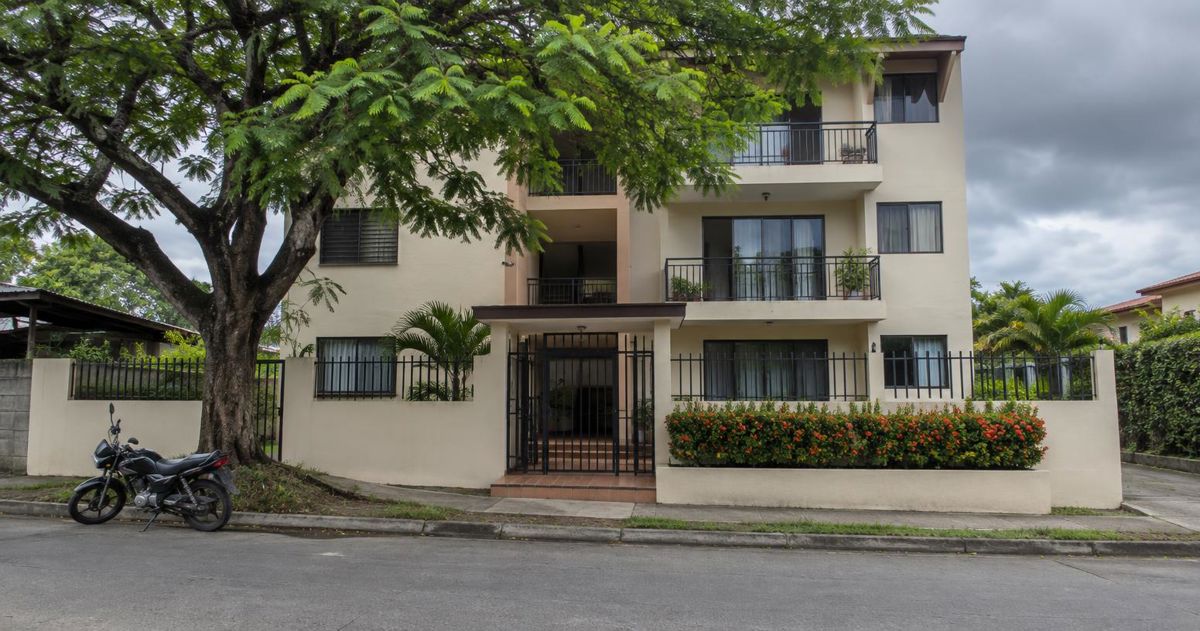
Most disagreements during a lease in Costa Rica revolve around four issues: repairs that never come, visits by the owner, late payments and poorly notified increases. This guide explains what the law says in each case and the order worth following to settle them: talk, put it in writing, try an agreement and, failing that, go to court. It serves both the person who rents a house and the person who rents one out.
What are the most common disputes and which law settles them?
In Costa Rica, disputes between tenant and owner repeat themselves with few variations. The tenant complains about a leak, a broken water tank or faulty wiring that nobody repairs. The owner complains about a payment that arrives late or a house that is not looked after. In between come visits without notice, rent increases charged without backing and contract clauses that one party believes are valid and the other does not. Almost all of those disagreements are answered by a single law, and knowing it before arguing saves time, money and strain on the relationship.
Under articles 2, 3 and 4 of the Ley General de Arrendamientos Urbanos y Suburbanos (Law 7527), that law governs every lease of real property, oral or written; it is a public-order law and the rights it gives tenants cannot be waived, so a clause that contradicts its mandatory rules is treated as unwritten. In practice, this means a contract cannot take away from the tenant what the law grants, even if the clause is signed, and that a spoken agreement is also covered by the same law.
That is why the first step in any disagreement is to reread the contract with the law beside it and separate what the document says from what the law allows. The guide on what a rental agreement must say and what is void reviews the clauses that tend to cause trouble. If you are still comparing homes for rent in Costa Rica, it is worth doing the same reading before signing: many disputes start with a contract nobody reviewed calmly.
Advertisements
What can you do if the owner does not make repairs?
The starting rule is in articles 33 and 34 of Law 7527: the landlord must carry out, without raising the rent for it, the repairs needed to keep the property in good condition, including wear from use or the passage of time unless otherwise agreed. The exception is damage that is the tenant's fault or a repair that the law or the contract assigns to the tenant. Before complaining, then, it is worth asking where the damage comes from: an old pipe that bursts is not the same as a window broken through carelessness inside the house.
When the repair is urgent, article 35 of that law sets out a specific path. If the tenant notifies the landlord of an urgent repair that is the landlord's duty and the landlord does not start the work within 10 business days, barring force majeure, the tenant may do it at the landlord's expense and withhold its cost plus interest at the Banco Central's basic deposit rate from the rent, or ask for the lease to be terminated with damages. Everything depends on a notice that can be proven.
- Identify the damage and whether it is urgent: water, electricity, roof or the safety of the house.
- Take dated photos and videos before touching anything.
- Notify the owner in writing, describing the damage and requesting the repair.
- Count 10 business days from that notice and note whether the work starts.
- If it does not start, get at least two quotes, hire the work and keep invoices and receipts.
- Before withholding the cost from the rent, tell the owner in writing the amount and the calculation, and consult a lawyer if in doubt.
Our recommendation is not to skip any step: withholding money without a clear notice or receipts can look like late payment to the owner, and the dispute changes direction. The most frequent cases and how to raise them are explained in the article on tenant rights regarding repairs not made by the landlord. If the damage is not urgent, the prudent course is to ask for a repair date in writing and follow up through the same channel.
When may the owner visit or inspect the house?
Visits are the second major source of friction. Article 51 of Law 7527 allows the landlord to inspect the home once a month, or when circumstances warrant it, during daytime hours and in the presence of the tenant or another adult who is in the house. The same rule has a consequence for the tenant: if the tenant refuses after 2 formal notices, the landlord may seek termination of the lease. In other words, the law protects reasonable inspection and also sets clear limits on it.
The other side of the rule is in article 26 of that law: even if the contract says nothing, the landlord may not disturb the tenant or obstruct in any way the use of the rented property, except for urgent or necessary repairs. Entering at night, arriving without an adult of the household present or repeating visits without reason does not fit what the law describes. Keeping a copy of the key to enter while the tenant is away is not an inspection either.
In practice, the best way to avoid this dispute is to agree from the start how visits are announced: through which channel, how far in advance and at what times. If visits have already become a problem, the prudent course is to reply in writing, propose a specific date and time and keep the messages. The article with the keys to understanding the right to privacy in rentals expands on the most frequent cases and how to raise them without escalating the argument.
What happens with a late payment or a poorly notified increase?
Money is the third front. Under article 58 of Law 7527, rent is paid monthly unless otherwise agreed; the tenant may pay within 7 calendar days after each period falls due, and in a residential lease the landlord cannot demand more than one month's rent in advance. That margin is what many call the grace period. Its limit is clear: once it passes, the payment is late, and non-payment is one of the grounds on which the owner may seek eviction, as explained below.
Anyone who knows a payment will be late does well to say so before the due date, in writing, with a specific payment date. A timely notice does not change the rule, but it leaves a record of good faith and opens the door to an agreement. On the owner's side, treating as late a payment made within those days or demanding several months in advance in a residential lease does not fit what that article says, and it is worth correcting before it becomes a complaint.
Increases have their own rule. Under articles 67 and 68 of Law 7527, a residential rent increase applies from the payment period after the landlord notifies the tenant, together with INEC's certification or a certified copy of the publication in the official gazette, and any increase above what the law allows is null and void. An increase announced verbally, without that backing, or charged from the same month as the notice, does not meet that form.
Faced with a poorly notified increase, the prudent course is to reply in writing, ask for the certification or publication that backs it and keep the reply. Stopping payment on your own is another matter: before paying less than the owner charges, it is worth consulting a lawyer. The article on tenant rights against abusive rental conditions covers this and other charges with no basis.
How do you put a complaint in writing and seek an agreement?
Almost all the rules above depend on a notice: the one for the urgent repair, the inspection requests, the notice of the increase. That is why a friendly conversation is the first step, but not the last. After talking, it is worth putting in writing what was said and what was requested. A dated email or message works in practice, and for a serious complaint many people in Costa Rica use a letter delivered with a signed copy acknowledging receipt.
- Talk to the other party first and note the date and what was discussed.
- Send a message or letter describing the problem, what you are asking for and a reasonable deadline to reply.
- Attach photos, videos, quotes or receipts that support the complaint.
- Keep copies of everything: screenshots, emails, rent payment receipts and the signed copy acknowledging receipt.
- If there is an agreement, write it in a short document with dates and amounts, signed by both parties.
An agreement is worthwhile almost whenever both parties want to continue with the lease: a firm date for a repair, a plan to catch up on late rent, an agreement on visiting hours. It is also worthwhile when the amount in dispute is small compared with the cost and time of a lawsuit. It is less useful when one party has already ignored several written notices or when the problem affects the safety of those living in the house; in those cases, the prudent course is to seek legal advice without waiting any longer.
When does a dispute end in eviction proceedings?
When there is no agreement, the dispute moves to the courts. Under articles 114 and 121 of Law 7527, the landlord may ask, through eviction proceedings (desahucio), for the lease to be terminated if the tenant fails to pay rent, does not keep the property in good condition, changes its use, refuses inspection or uses it abusively, among other grounds. Several of those grounds arise from the disputes in this guide: a late payment that was not resolved, a refused inspection or damage nobody dealt with.
The tenant also has a path when the breach is the owner's: when an urgent repair is not started within the deadline, article 35 of that law allows the tenant to ask for the lease to be terminated with damages. In both directions, what matters is the evidence: the written notices, the photos, the receipts and the signed agreement, if there was one. Whoever reaches that stage with everything documented is in a better position than someone who can only tell what happened.
A court case has costs, timelines and formalities that this guide does not detail. That is why, before filing a claim or responding to one, the prudent course is to consult a lawyer who reviews the contract, the notices and the payments in the specific case.
What we would do
- Reading the whole contract before signing, even for one of the cheap homes for rent in Costa Rica, and not accepting a clause that waives tenant rights.
- Making a dated photo inventory of the house's condition on move-in day, signed by both parties.
- Agreeing in writing from the start how visits, repairs and payments are announced.
- Consulting a lawyer before withholding rent or stopping payment of an increase that seems poorly notified.
- If disputes with owners keep repeating, comparing the cost of continuing to rent with the homes for sale in Costa Rica.
Frequently asked questions
Is an oral lease also protected?
Yes. As explained at the start, Law 7527 governs every lease of real property, oral or written, and the rights it gives the tenant cannot be waived. The difference lies in the evidence: without a document, it is harder to prove what was agreed. That is why, in an oral lease, it is even more worthwhile to put notices in writing, keep payment receipts and save the messages the parties exchange.
May the owner enter the house when the tenant is away?
The inspection the law describes is once a month, or when circumstances warrant it, during daytime hours and in the presence of the tenant or another adult who is in the house. Entering when neither the tenant nor another adult is in the house does not fit that rule, and the law also forbids the landlord from disturbing the tenant or obstructing the use of the home, except for urgent or necessary repairs. If it happens, the prudent course is to leave a written record and seek advice.
From when can a rent increase be charged?
From the payment period after the owner notifies the tenant, together with INEC's certification or a certified copy of the publication in the official gazette. An increase above what the law allows is null and void. If the notice lacks that backing, the prudent course is to request it in writing and consult a lawyer before paying an amount different from the previous one.
What happens if the tenant refuses the inspection?
If the tenant refuses after 2 formal notices, the owner may seek termination of the lease, and refusing inspection is one of the grounds for eviction proceedings. That is why, when a visit is inconvenient, the prudent course is to reply in writing and propose another date and time, rather than simply refusing.
This guide summarizes residential rental practice in Costa Rica and the rules of Law 7527 it cites. It does not replace the advice of a lawyer or a notary, who can review the contract and the documents in each case.
Advertisements
More in Rights and Obligations
Rental Guides, Rights and Obligations
Tenant rights in Costa Rica: what to know before signing

Rental Guides, Rights and Obligations
Tenant rights regarding repairs not made by the landlord
Rental Guides, Rights and Obligations
Tenant rights against abusive rental conditions

Rental Guides, Rights and Obligations
Keys to understanding your right to privacy in rentals
Most viewed in Rental Guides

Rental Guides, Requirements for Renting
How to rent a house in Costa Rica: steps and requirements

Rental Guides, Rental Contracts
Rental deposit: what it covers and how it is agreed
Rental Guides, Rights and Obligations
Tenant rights in Costa Rica: what to know before signing
Rental Guides, Rights and Obligations
Tenant rights regarding repairs not made by the landlord