Quality of life
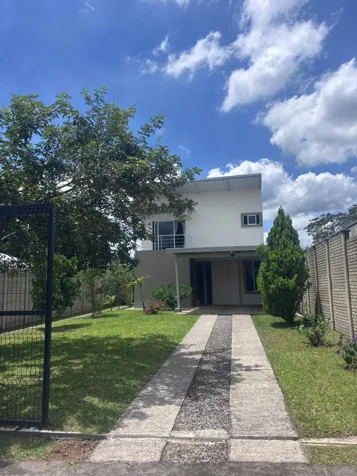
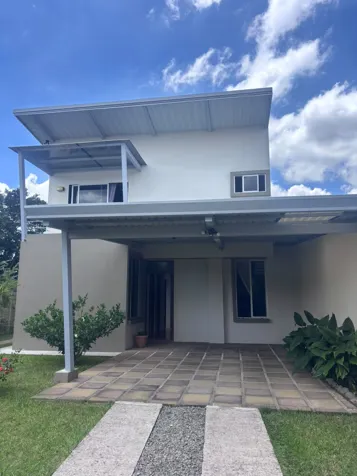
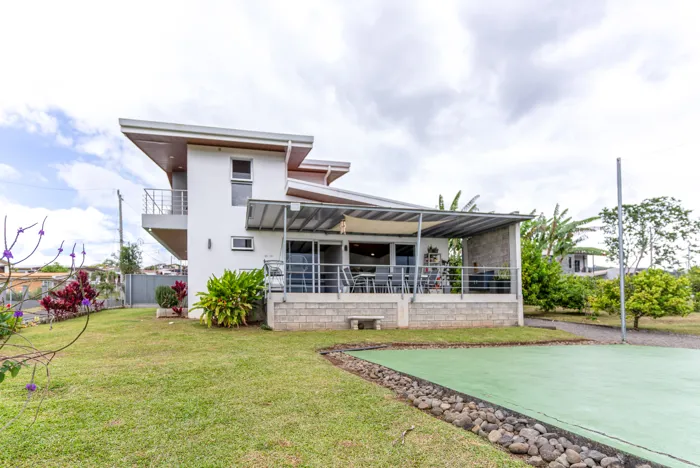
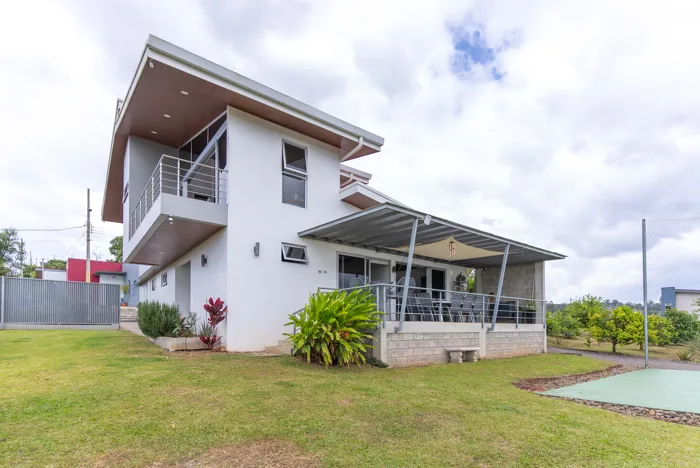
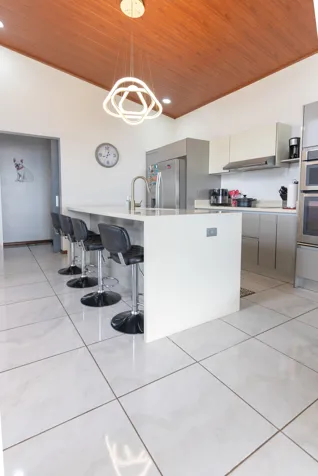
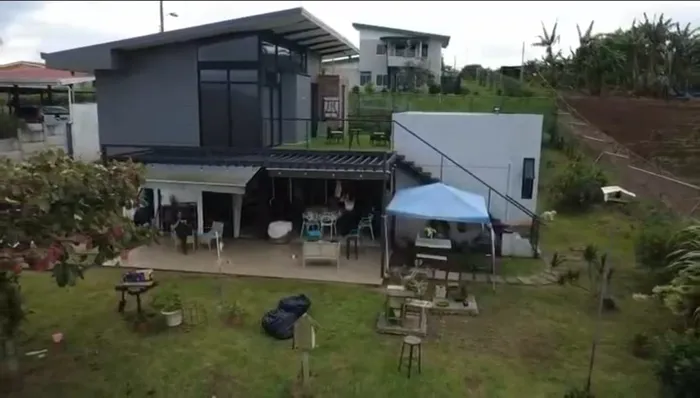
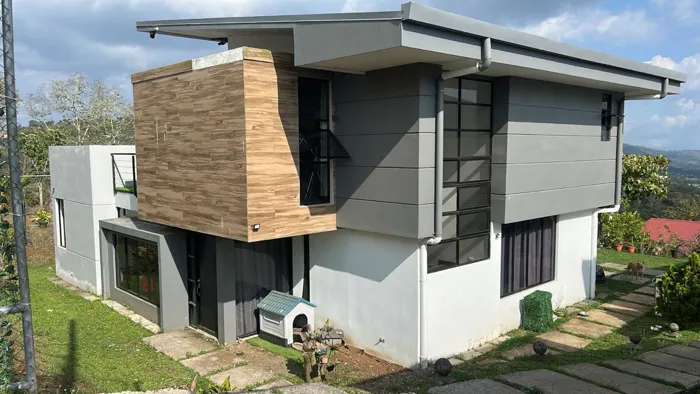
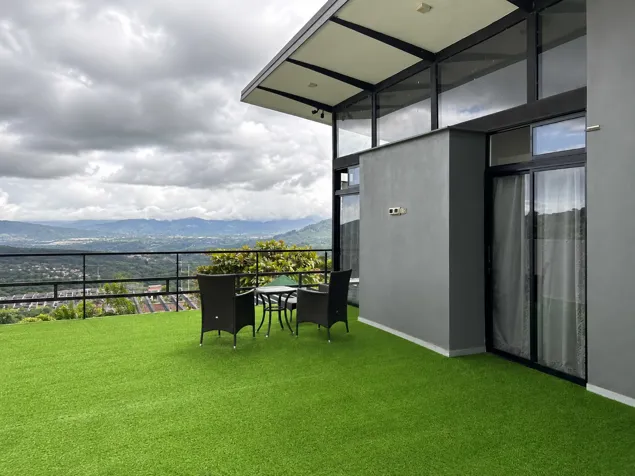
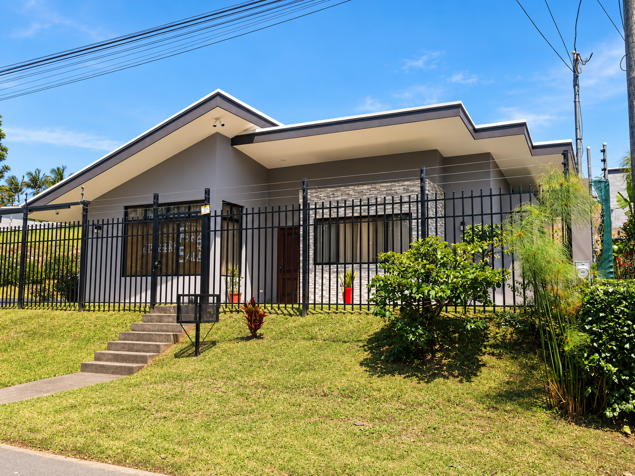
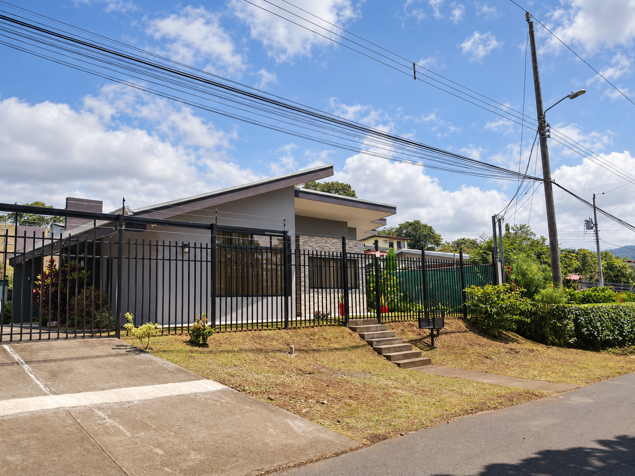
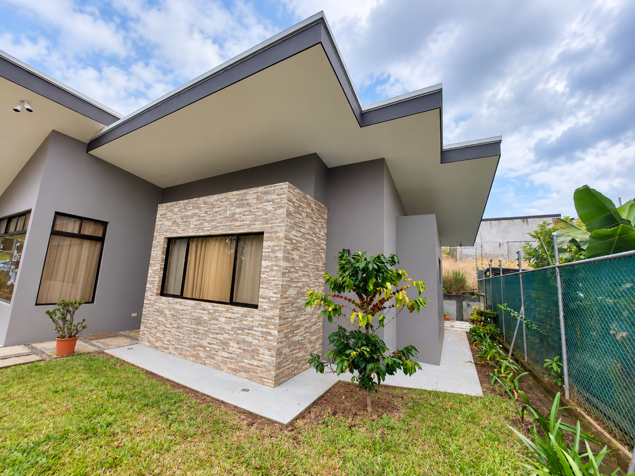
San Juan is a rural-leaning district of Naranjo canton, in Alajuela province. It is not the canton seat and it is inland. With a small area, it is more compact than many districts in the region. The pack shows that houses and farms are listed for sale and houses for rent, so the housing stock leans toward residential and agricultural use rather than commercial space.
Before moving, check what the pack cannot tell you: the quality of the access road, water supply, noise levels at different hours, and how far the nearest services are from the specific property.
Cost of living
Housing is the main driver of costs here, whether you rent a house or buy a house or farm. Beyond rent or a mortgage, build a budget that includes electricity, water, internet, and mobile service, plus daily transport, since most errands will probably involve a vehicle or bus trip toward the canton seat.
If you buy, add annual property tax paid through the local municipality and any registry and legal costs. If a property sits in a shared development, ask about monthly condo fees. When there are enough listings, this page shows above the typical rent and purchase prices for the zone.
Advertisements
Lifestyle
Daily life in San Juan is likely to follow a rural pattern: homes and farms, quieter surroundings and less commercial density than in a city center. This is an inference from the property types listed, not a description of specific shops or venues.
For banking, government paperwork, larger grocery runs and other errands, residents would turn to the canton seat, which is close by in a straight line. Check whether public transport runs near a given property and at which hours, since that shapes daily routines more than the distance on a map.
Climate and nature
San Juan is not coastal. It lies in the interior of Alajuela province, in the Central Valley region of Costa Rica, where the year divides into a dry season, roughly December to April, and a rainy season for the rest of the year. Afternoon showers are typical in the wet months.
Conditions vary with elevation and slope: higher or more exposed areas can be cooler, windier and wetter, while lower ground is usually warmer. Farms listed in the district point to a landscape where agriculture is part of the surroundings.
Economy and opportunities
The economy of this part of Alajuela mixes farming, services and commuting to jobs elsewhere in the Central Valley. Farm properties listed here fit the agricultural side of that profile.
Being inland and a moderate distance from San José and the international airport means that commuting to the capital area is possible but involves a real drive, so remote work, work in the canton seat, or work in nearby towns may suit residents better. For study, look at options in Naranjo and the neighboring cantons, and confirm routes and schedules in person.
Accessibility and location
San Juan is district number 6 of the canton of Naranjo, in the province of Alajuela. Its postal code is 20606 and its area is 7.5 km² (2.9 sq mi). The local authority is the Municipalidad de Naranjo.
It borders Concepción (canton of San Ramón), Naranjo, San José and Palmitos. In a straight line, it is 3.6 km (2.2 mi) from Naranjo, the canton seat; 42.9 km (26.7 mi) from downtown San José; and 26.5 km (16.5 mi) from Juan Santamaría International Airport (SJO).
The official neighbourhood is Gradas, and the official villages are Bajo Murciélago, Cueva, Guarumal, Rincón Elizondo, San Antonio and Yoses, according to Costa Rica's official territorial division (Decree 44882-MGP). Real travel time depends on the hour and the road.
History
San Juan, located in the province of Alajuela, Costa Rica, has a history that dates back to its founding in 1848. Over the years, this place has evolved from a small agricultural settlement to a community with growth in industry and commerce. The culture of San Juan is marked by its traditions, such as the festivities in honor of its patron saint, celebrated every June 24, which reflect the devotion of its inhabitants. In addition, the local gastronomy, rich in typical flavors, complements the cultural experience.
Tips
Drive the daily commute at different hours, including rush hour and the weekend, to see how the roads behave. Visit the property in both dry and rainy months if you can.
Ask about water and utilities for the specific property: who supplies the water, whether there is a meter, and how electricity and internet are connected. Request recent bills to see real usage.
If renting, sign a written lease under Costa Rica's General Law of Urban and Suburban Leases, Law 7527. If you buy, have a lawyer check the title at the National Registry. You can also save listings for this zone on Anuntico to compare them over time.
In summary
Living in San Juan, Naranjo, Alajuela, Costa Rica, is an ideal choice for those looking to establish their home or invest. This locality offers a tranquil and safe environment, surrounded by the natural beauty of the Costa Rican landscape, making it a perfect place for families and professionals. San Juan is an inland, rural-leaning district of Naranjo where houses and farms make up the listings. It makes the most sense for buyers and renters who want a quieter setting close to the canton seat and who are comfortable relying on a vehicle for the wider Central Valley. Visit at different hours and confirm services property by property.