Quality of life
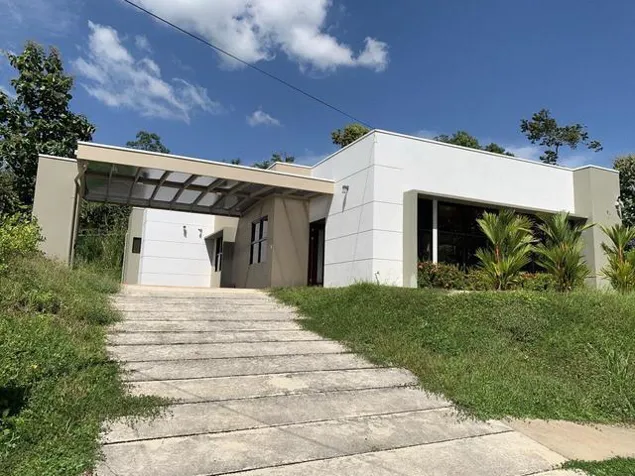
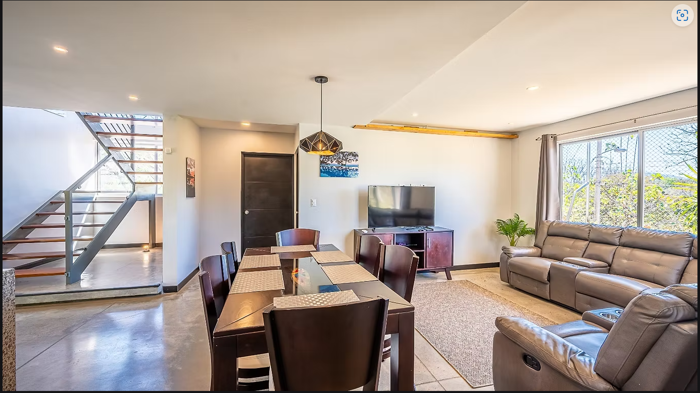
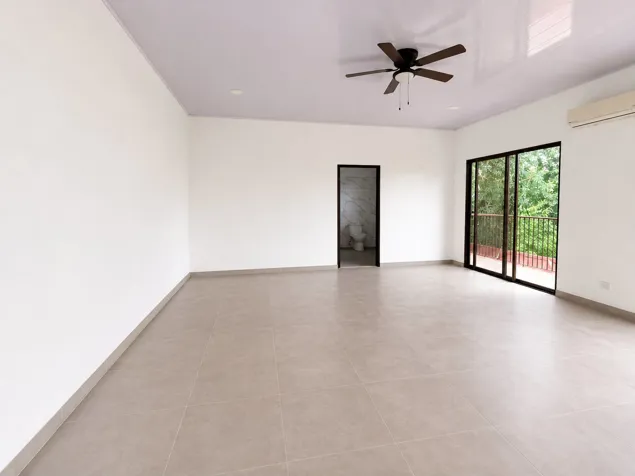
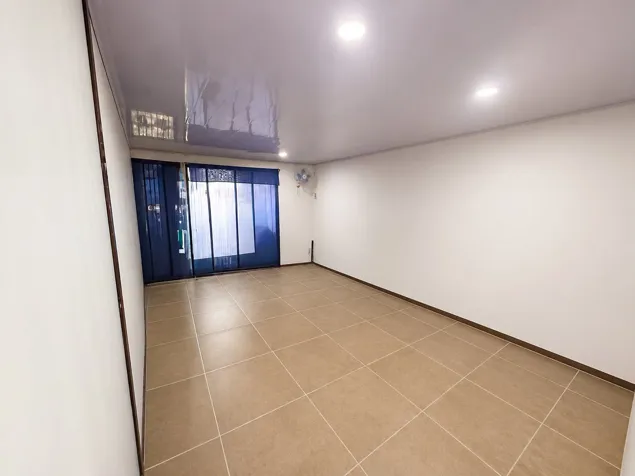
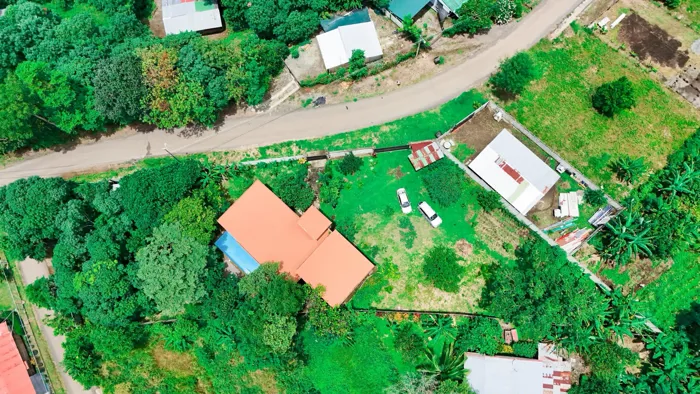
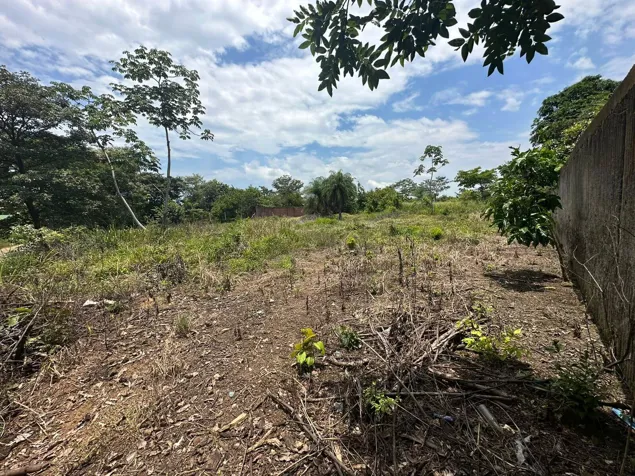
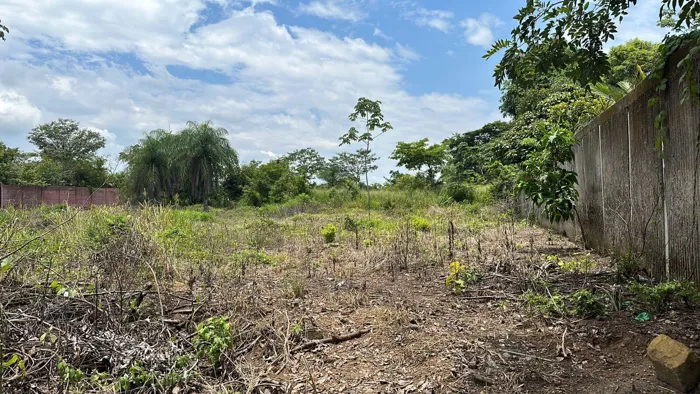
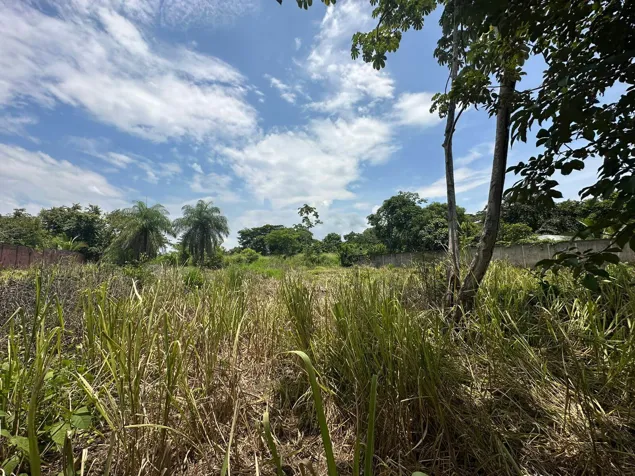
Coyolar is the fourth district of the canton of Orotina, in the province of Alajuela. It is an inland district, not on the coast, and its area suggests a mostly rural setting with scattered villages rather than a single dense center. Its listings include houses, apartments or condos, lots and land, farms and commercial spaces, so the mix covers both homes and land use.
Before moving, check the practical details on the ground: how far the nearest services are from the specific property, whether water supply is steady, how much noise there is from nearby roads or farm activity, and whether the access road is passable in the rainy season.
Cost of living
In a district like this, housing is the main driver of monthly costs, and it varies with property type, size and how close it is to the canton seat. Beyond rent or a mortgage, a realistic budget adds electricity, water, internet and phone, plus daily transport, which weighs more where services are spread out and a car is often needed.
If you are buying, include the annual property tax paid through the local municipality and, for condos, any monthly condo fees. When there are enough listings, this page shows above the typical rent and purchase figures for the zone, which you can use as a starting point.
Advertisements
Lifestyle
Daily life in Coyolar follows a rural and semi-rural pattern. The district is made up of villages and one official neighborhood, not a single urban grid, so most people organize their week around trips to the canton seat for errands, banking, government offices and larger shopping.
Being close to Orotina in a straight line makes those trips practical, though you should confirm how you would make them from a specific address. Expect quieter evenings and more space on farms and larger lots than in central San José, with the trade-off that many services are not within walking distance.
Climate and nature
Coyolar is not coastal, but it lies in the Pacific side of the country, where the year divides into a dry season and a rainy season. In general, the dry months run from roughly December to April, and the rains bring greener landscapes, heavier afternoon showers and muddier unpaved roads.
Because the district has farms and rural land, the natural surroundings are mostly agricultural and wooded countryside. If you are considering a lot or a farm, visit in both seasons to see how drainage, dust, humidity and road conditions change.
Economy and opportunities
The economy of this part of Alajuela rests on farming, local commerce and services, with some people commuting to jobs elsewhere in the Central Valley and along the Pacific corridor. The listings of farms and commercial spaces point to agricultural and small-business use alongside housing.
Proximity to San José and to the international airport matters for remote workers, people who travel often and those who need access to universities or larger employers in the metro area. It is a drive rather than a walk, so weigh commuting time and fuel against the lower density you gain.
Accessibility and location
Coyolar is district number 4 of the canton of Orotina, in the province of Alajuela. Its postal code is 20904 and its area is 36.5 km² (14.1 sq mi). It borders San Juan de Mata (canton of Turrubares), Orotina, El Mastate, La Ceiba and Lagunillas (canton of Garabito).
In a straight line, it is 6.2 km (3.9 mi) from the canton seat, Orotina; 55.7 km (34.6 mi) from downtown San José; and 42.2 km (26.2 mi) from Juan Santamaría International Airport (SJO).
Its official neighborhood is Corazón de María. Its villages are Alto Capulín, Bajos del Coyote, Cebadilla, Guápiles, Limonal, Mangos, Mollejones, Piedras de Fuego, Pozón, San Jerónimo and Santa Rita, all from Costa Rica's official territorial division (Decree 44882-MGP). Real travel time depends on the hour and the road.
History
Coyolar, located in Orotina, Alajuela, Costa Rica, has experienced a remarkable evolution since its establishment in the 19th century, when it was a small agricultural settlement. With the rise of sugar cane production and the development of infrastructure, such as the arrival of the railroad in 1910, Coyolar began to grow in population and economic activity.
The local culture is rich in traditions, with patron saint festivals in honor of San José, featuring dances and typical foods, reflecting the Costa Rican heritage. Currently, Coyolar combines the tranquility of rural life with access to modern services.
Tips
Before you commit, drive the daily commute at different hours, including weekday mornings and evenings, and test the route to Orotina. Visit the property on a rainy day and a dry day to see how the access road behaves.
- Ask how water is supplied and whether the property has a legal connection or a shared source.
- Request recent electricity and water bills to see real usage.
- Check with the municipality about property tax status.
- If renting, sign a written lease under the General Law of Urban and Suburban Leases, Law 7527.
You can also save listings in this zone on Anuntico to compare options over time.
In summary
Living in Coyolar, Orotina, Alajuela, Costa Rica, is an ideal choice for those looking to establish their home or invest, thanks to its privileged location and tranquil environment. Coyolar is a rural, inland district of the canton of Orotina, made up of villages and farmland, with homes, lots, farms and some commercial space on the market. It makes most sense for buyers and renters who want more space and a quieter setting and who accept driving for errands and work. Visit in both seasons and verify water, access and utilities before deciding.