Quality of life
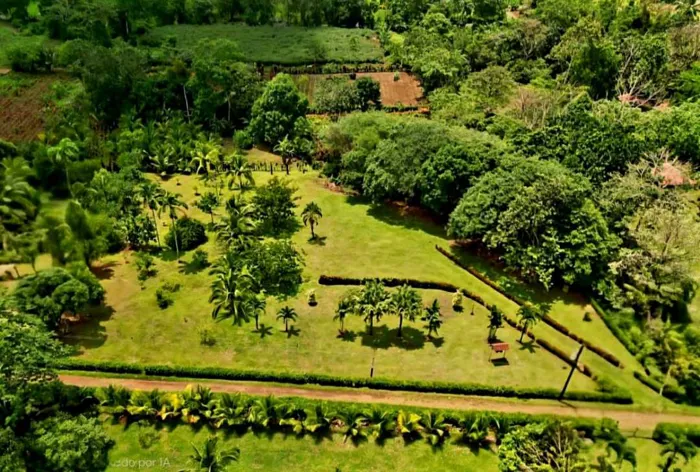
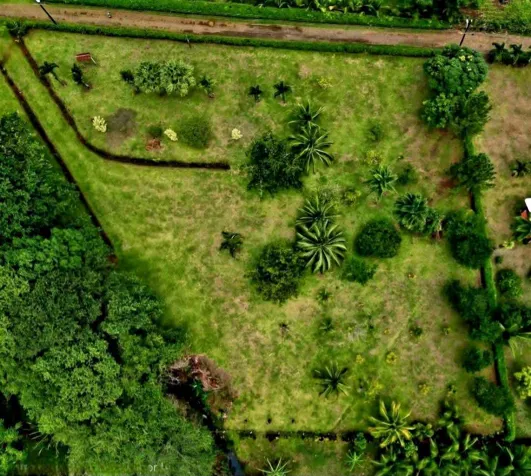
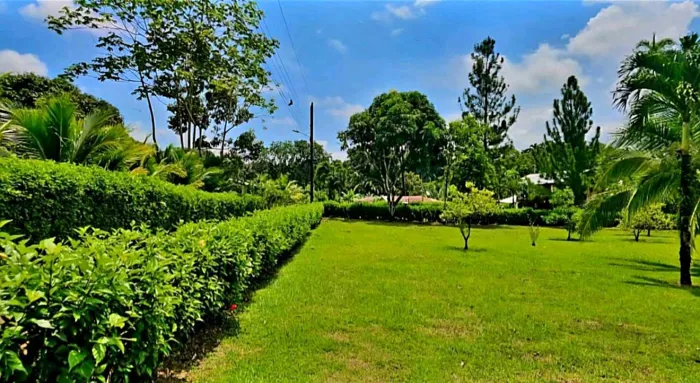
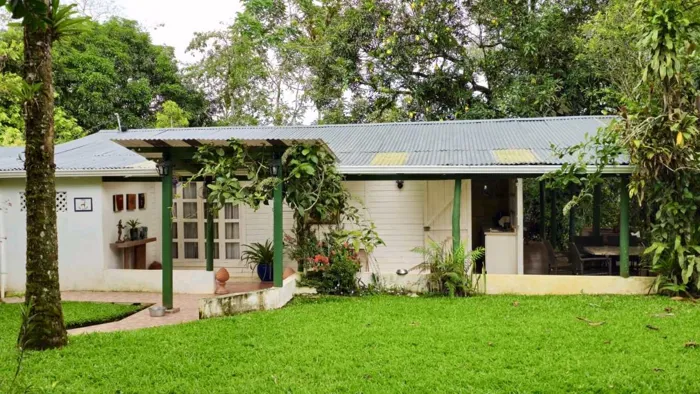
La Tigra is a rural inland district of the canton of San Carlos, in Alajuela province. It covers a large area, and the pack shows it is not coastal. Listings are for sale only: houses, lots and land, farms and buildings. That mix points to a countryside setting where land and farm properties matter as much as homes.
Before moving, check what the street or property actually has: water supply, electricity, internet and mobile coverage, road condition in the rainy season, and noise from nearby farm or commercial activity. Visit more than once and ask neighbors how services work day to day.
Cost of living
For most households in Costa Rica, housing is the largest cost, and in a rural district like this one it depends heavily on property type, size and access. Land and farms are priced differently from houses or buildings, so compare similar properties.
Add to a budget: electricity and water, internet, mobile service, fuel or daily transport costs to town, and annual property tax if you buy. Some properties may also carry shared-road or association fees. When there are enough listings, this page shows above the typical rent and purchase figures for the zone and what is listed by type.
Advertisements
Lifestyle
Daily life in La Tigra is likely to follow a rural pattern: more space between properties, more reliance on a car, and errands planned around trips to larger towns. The district is made up of small villages rather than one dense urban center.
The canton seat is the main place for larger shopping, banking and government procedures, so expect to combine trips. People who work from home or run a farm tend to fit this setting best, while those who need frequent urban services should test the routine before committing.
Climate and nature
La Tigra lies in the northern lowlands and foothills of Costa Rica, on the Caribbean-slope side of the country. This part of the country is generally humid, with rain spread across much of the year and a drier stretch that is usually shorter and less pronounced than on the Pacific side.
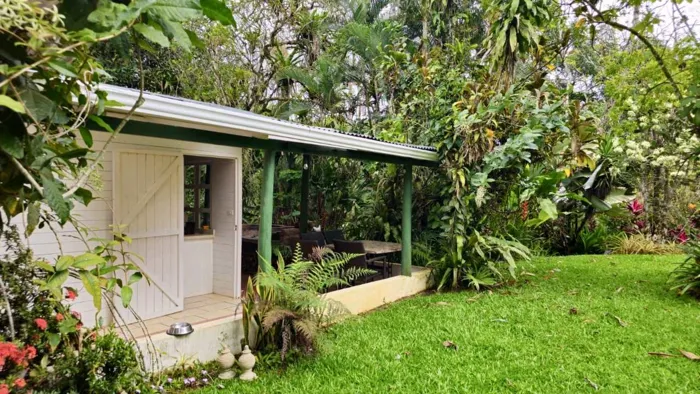
The district is not coastal. Expect green, farm-oriented surroundings, and plan for mud, humidity and road wear during the wetter months. Ask about drainage and flooding history on any lot you consider.
Economy and opportunities
The wider San Carlos region is known for farming and livestock, along with services and trade centered on the canton seat. Tourism and small businesses also play a role in the northern zone. In a district like La Tigra, work is most often tied to land, agriculture or nearby towns.
The distance to San José and the main airport means daily commuting to the metro area is not practical for most people. Remote work, local business or farm income fit better, and university or specialized study usually means traveling or relocating.
Accessibility and location
La Tigra is district 8 of the canton of San Carlos, in the province of Alajuela. Its postal code is 21008 and its area is 56.3 km² (21.7 sq mi).
It borders Peñas Blancas (canton of San Ramón), San Lorenzo (canton of San Ramón) and Florencia. In a straight line, it is 19.4 km (12.1 mi) from Quesada, the canton seat; 73.0 km (45.4 mi) from downtown San José; 57.4 km (35.7 mi) from Juan Santamaría International Airport (SJO); and 108.0 km (67.1 mi) from Daniel Oduber International Airport (LIR).
Costa Rica's official territorial division (Decree 44882-MGP) lists the neighborhoods Ángeles and Palmas, and the villages Cerritos, Esperanza, Futuro, Jabillos, Lucha, San Gerardo, San Isidro, San José, San Miguel, San Pedro and San Rafael. Real travel time depends on the hour and the road.
History
La Tigra, located in the canton of San Carlos, Alajuela, Costa Rica, has been a place of historical importance since its founding in the 1950s, when it began to develop as an agricultural community. Over the years, La Tigra has evolved, integrating cultural traditions that reflect its Costa Rican heritage, such as the festivities in honor of its patroness and agricultural fairs.
Its people keep alive customs such as folk music and typical cuisine. The district offers a natural environment and access to various activities.
Tips
Drive the route to Quesada and to your likely workplace at different hours, including rainy afternoons, to see what the commute is really like.
- Ask about water source and electricity for the specific property, and request recent bills.
- For farms and lots, confirm access, boundaries and registered title with the National Registry.
- If renting, sign a written lease under Costa Rica's General Law of Urban and Suburban Leases, Law 7527.
- On Anuntico you can save listings in the zone and compare them over time.
In summary
Living in La Tigra, San Carlos, Alajuela, Costa Rica, is an ideal choice for those looking to establish their home or invest, thanks to its stunning natural surroundings and warm climate year-round. La Tigra is a rural, inland district of San Carlos with listings centered on houses, land, farms and buildings. It makes the most sense for buyers who want space and a countryside routine, and who are comfortable driving to Quesada for larger services. Anyone relying on frequent trips to the capital should weigh the distance first.