Quality of life
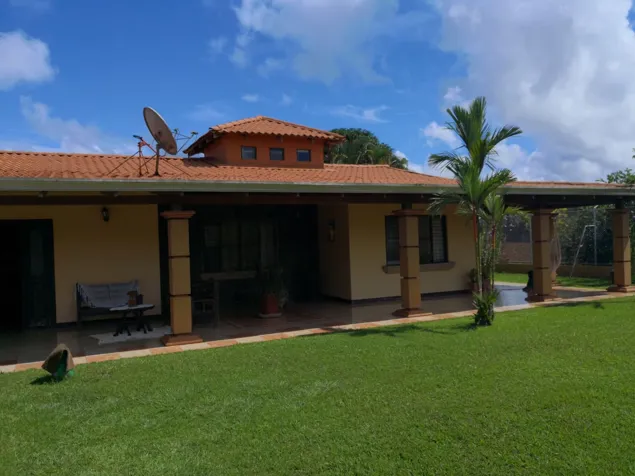
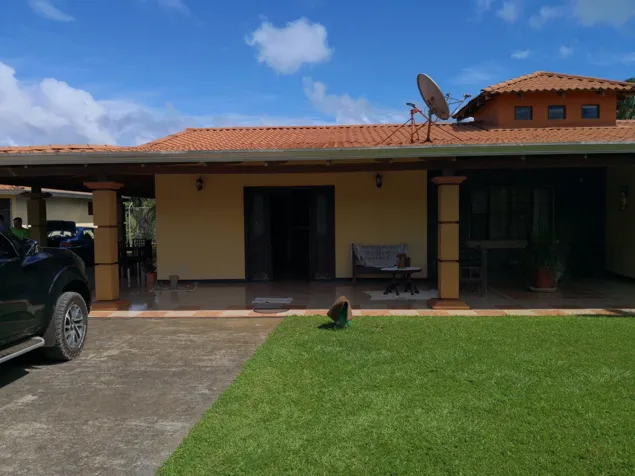
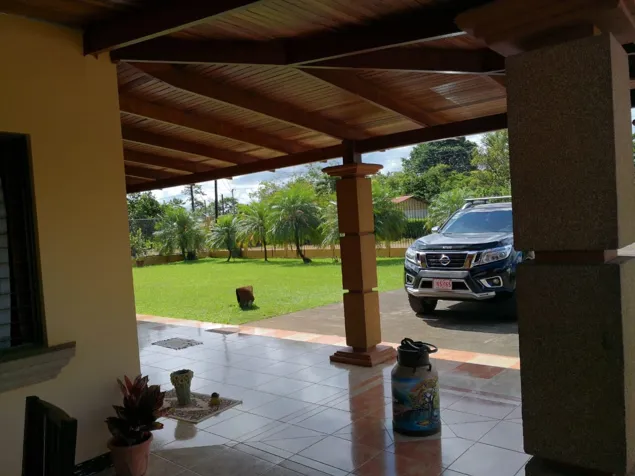
Pital is the sixth district of the canton of San Carlos, in the province of Alajuela. With a large area and no coastline, it is a rural, inland district where the pack lists houses and farms for sale, and no rentals.
Before moving, check the surroundings property by property: how far the nearest services are, whether water comes from a public system or a private source, how much noise to expect, and what condition the access road is in, especially in the rainy season. Districts this large can differ a lot between one village and the next.
Cost of living
In a rural district, housing is the first cost to compare, followed by transport. Daily trips often rely on a private vehicle, so fuel and maintenance belong in the budget, along with electricity, water, internet and phone service.
If you buy, add the annual property tax paid to the municipality and the notary and registry costs. If a property sits in a shared development, ask about monthly fees. When there are enough listings, this page shows above the typical rent and purchase figures for Pital, San Carlos, Alajuela, based on what is currently listed.
Advertisements
Lifestyle
Daily life in Pital is rural. The pack lists houses and farms, which points to a landscape of scattered homes, farmland and small villages rather than a dense urban center. Errands such as banking, larger shopping and many official procedures usually mean a trip to the canton seat, Quesada, so it helps to plan weekly outings.
Expect to rely on a car, and to spend time getting to know each village, since habits and services change from one to another. Visiting at different times of the week gives a more realistic picture than a single trip.
Climate and nature
Pital is not coastal. It lies in the northern lowlands of Costa Rica, a part of the country that is generally humid and warm. Rain can fall in any month, and the rainy season, roughly May to November, is usually heavier, while the drier months are shorter and less marked than in the Pacific northwest.
That humidity supports dense vegetation and farmland, but it also affects roads, unpaved access and building upkeep. When viewing a property, look at drainage, moisture in walls and roofs, and how the land handles heavy rain.
Economy and opportunities
The economy of this region of San Carlos is built mostly on farming and livestock, with services tied to rural communities and some tourism in the northern zone. The listing of farms in Pital fits that profile.
For salaried work or university study, the larger options are in Quesada and in the San José metro area, which is far enough that a daily commute is demanding. Remote work is possible only where internet service is reliable, so confirm coverage at the specific property. Being far from the airport also matters if you travel often.
Accessibility and location
Pital is district number 6 of the canton of San Carlos, in the province of Alajuela. Its postal code is 21006 and its area is 380.0 km² (146.7 sq mi). The local authority is the Municipalidad de San Carlos.
It borders the districts of Aguas Zarcas, Venecia and Cutris in San Carlos; Santa Rita and Santa Isabel in the canton of Río Cuarto; and La Virgen and Cureña in the canton of Sarapiquí.
In a straight line, Pital is 34.2 km (21.3 mi) from Quesada, the canton seat, 74.3 km (46.2 mi) from downtown San José and 65.6 km (40.8 mi) from Juan Santamaría International Airport (SJO). Under Costa Rica's official territorial division (Decree 44882-MGP), its neighbourhoods are Bosque, Comarca and San Cristóbal. Its villages are Ángeles, Boca de San Carlos, Boca Sahíno, Boca Tapada, Boca Tres Amigos, Cabra, Canacas, Caño Chu, Carmen, Cerro Blanco, Chaparrón and Chirivico, among others. Real travel time depends on the hour and the road.
History
The history of Pital, located in San Carlos, Alajuela, dates back to its founding in 1935, when it began to develop as an agricultural settlement. Over the decades, Pital has evolved, becoming a center for coffee and cocoa production, which has shaped its culture and traditions. The community celebrates events such as the Harvest Festival, where tribute is paid to the farmers and their work. Additionally, its natural surroundings offer a rich cultural heritage, including local cuisine that blends indigenous ingredients with foreign influences.
Tips
Drive the route you would use every day at different hours, including early morning and late afternoon, and on a rainy day if you can. Roads in rural districts can change a lot with the weather.
Ask the seller or landlord how the property gets water and electricity, whether the water is connected to a public system, and request recent bills. If you rent, sign a written lease under Costa Rica's General Law of Urban and Suburban Leases, Law 7527. You can also save listings in this zone on Anuntico to compare them over time.
In summary
Living in Pital, San Carlos, Alajuela, Costa Rica, is an ideal choice for those looking to establish their home or invest, thanks to its beautiful nature and tranquil environment that promote a healthy lifestyle. Pital is a large, inland, rural district of San Carlos where the listed properties are houses and farms. It suits buyers who want land or a country home and accept long distances to Quesada, San José and the airport. Anyone considering it should visit in person and check water, access and internet at each property.