Quality of life
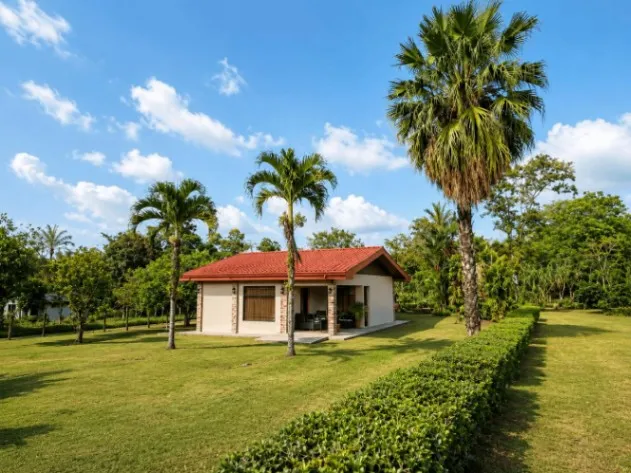
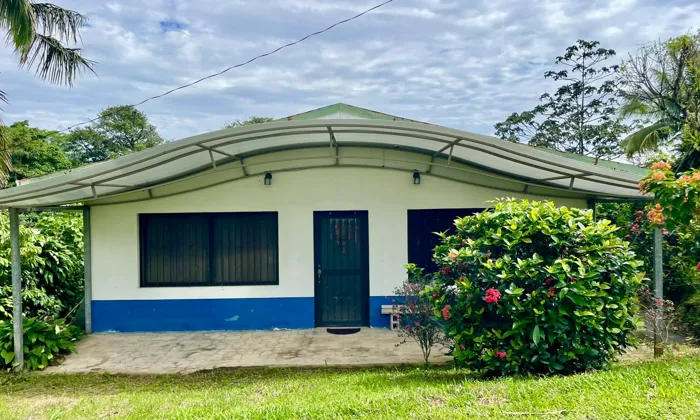
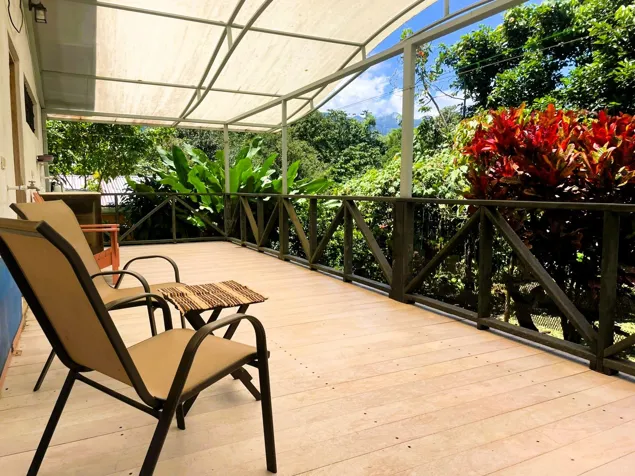
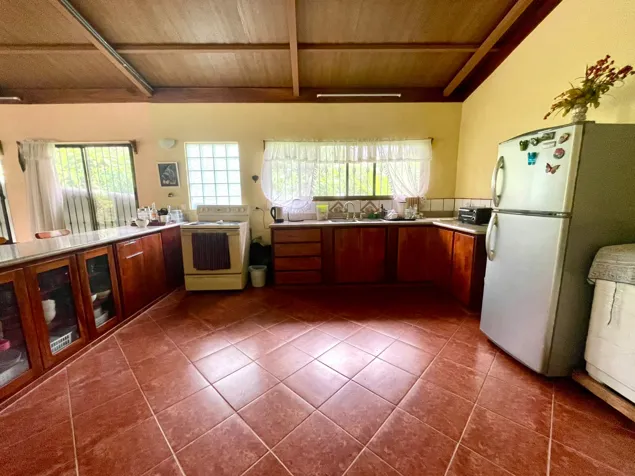
Bijagua, Upala, Alajuela is a large rural district, with an area that points to scattered settlement rather than a single compact town. It is not the canton seat, and it is inland, with no coastline. The listings we see are houses, lots and land, and farms, so the market leans toward country living and agricultural land rather than apartments or commercial space.
Before moving, check the practical details of the specific property: how water is supplied, whether the access road is passable in the rainy season, the noise level at different hours, and how far the nearest services are from the door. Distances between villages can be large, so visit the exact spot.
Cost of living
For most households, housing is the largest cost, and in a rural district it depends heavily on whether you buy a house, a lot or a farm. Beyond the price or rent, build a budget that includes electricity, water, internet and phone, and cooking gas if the property uses it.
Daily transport matters more in dispersed areas: fuel, vehicle upkeep and trips to the canton seat for errands can add up. If you buy, add the annual property tax and the registry and notary costs. When there are enough listings, this page shows above the typical prices by type, which gives a starting reference.
Advertisements
Lifestyle
Daily life here is rural. Homes are spread among villages and farmland, and most routines are likely to involve a vehicle. Expect a quieter pace than in the Central Valley, with fewer services within walking distance.
For banking, government paperwork and larger shopping, residents go to the canton seat, which is the administrative center and the seat of the local authority, Municipalidad de Upala. Plan errands in batches, and check which basics are available in your own village before you commit to a property.
Climate and nature
Bijagua is inland, not coastal, in the northern part of the country. Costa Rica has a drier season, roughly December to April, and a rainy season for the rest of the year. In the north, the slopes that face the Caribbean side tend to be wetter and greener, while areas toward the Pacific side of the lowlands are generally drier.
Because the district is large and its terrain varies, conditions can differ between villages. If you are considering a farm or lot, visit in both seasons to see how the land, the road and the water behave.
Economy and opportunities
The economy of this part of northern Costa Rica is based mainly on farming and livestock, along with nature-oriented tourism and local services. Many jobs are tied to the land or to small businesses serving nearby communities.
The district is a long way from San José and its job market, so commuting to the capital for work or study is not realistic on a daily basis. Remote work depends on a reliable internet connection, which you should test at the property. The relative closeness of a regional international airport helps with occasional travel.
Accessibility and location
Bijagua is district number 4 of the canton of Upala, in the province of Alajuela. Its postal code is 21304 and its area is 187.2 km² (72.3 sq mi).
It borders the districts of Upala, Aguas Claras and Canalete, Cote and Katira (canton of Guatuso), La Fortuna and Río Naranjo (canton of Bagaces), and Palmira (canton of Cañas).
In a straight line, it is 13.2 km (8.2 mi) from Upala, the canton seat; 139.9 km (86.9 mi) from downtown San José; and 57.2 km (35.5 mi) from Daniel Oduber International Airport (LIR).
Its official neighbourhoods are Altamira and Carlos Vargas. Its official villages are Chorros, Florecitas, Flores, Higuerón, Jardín, Macho, Pata de Gallo, Pilón, Pueblo Nuevo, Reserva, San Cristobal, San Miguel, Santo Domingo and Zapote. These come from Costa Rica's official territorial division (Decree 44882-MGP). Real travel time depends on the hour and the road.
History
Bijagua, a district of Upala in Alajuela, Costa Rica, has evolved since its founding in 1848, standing out for its biodiversity and proximity to the Tenorio Volcano National Park. With a population that has grown in recent decades, Bijagua has kept its cultural traditions alive, often celebrating festivals that honor the indigenous and agricultural heritage of the region. The community is known for its hospitality and for the production of coffee and agricultural products, which are pillars of its economy.
Tips
Drive the route you would use every day at different hours, including early morning and evening, and after rain if you can. Ask the seller or landlord how the property gets its water and electricity, whether the water comes from a public system or a private source, and request recent bills.
If you rent, insist on a written lease under Costa Rica's General Law of Urban and Suburban Leases, Law 7527. If you buy, have a lawyer check the title at the National Registry. You can also save listings for this zone on Anuntico to follow what comes up.
In summary
Living in Bijagua, Upala, Alajuela, Costa Rica, is an ideal choice for those looking to establish their home or invest, thanks to its impressive natural surroundings and tranquil atmosphere. Bijagua is a large, inland, rural district of the canton of Upala, where the listings are houses, lots and farms. It makes the most sense for buyers who want land and a quiet setting and who are comfortable driving for most errands. It suits remote workers, farmers and people seeking a country home more than anyone who needs daily access to the capital.