Quality of life
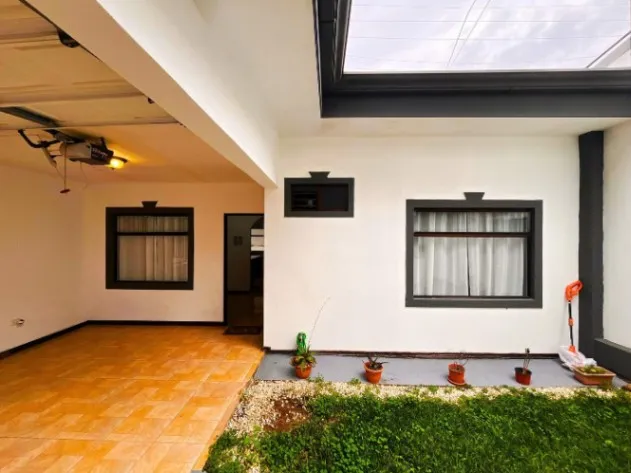
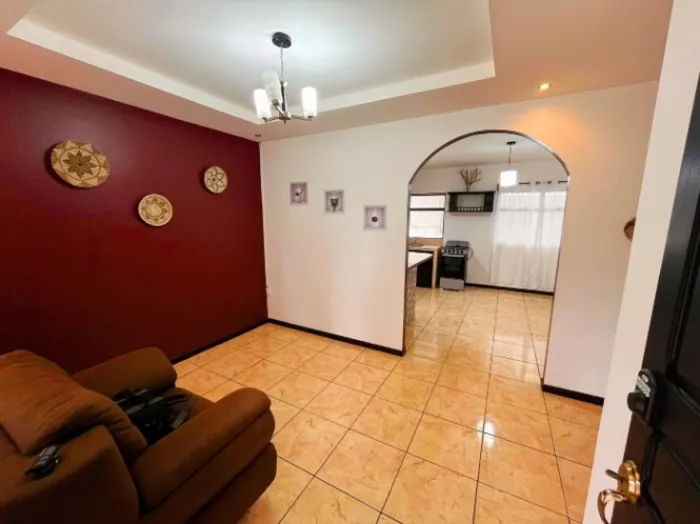
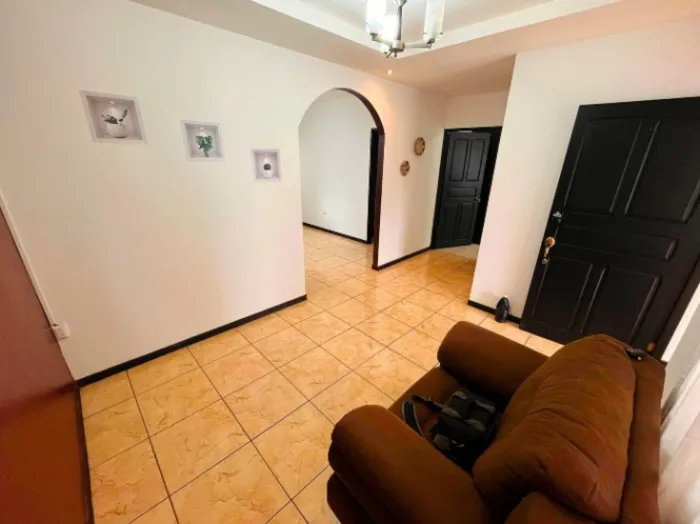
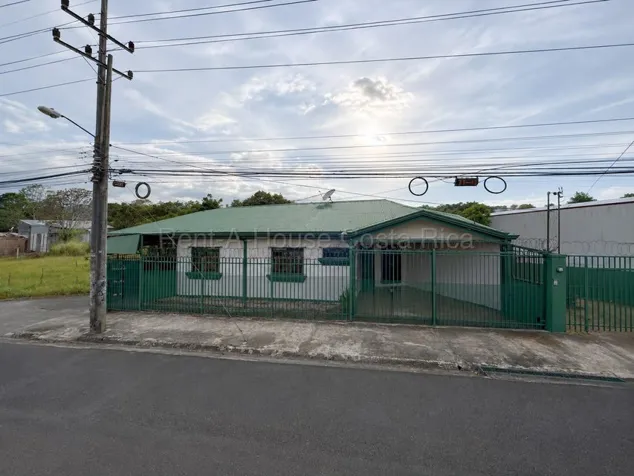
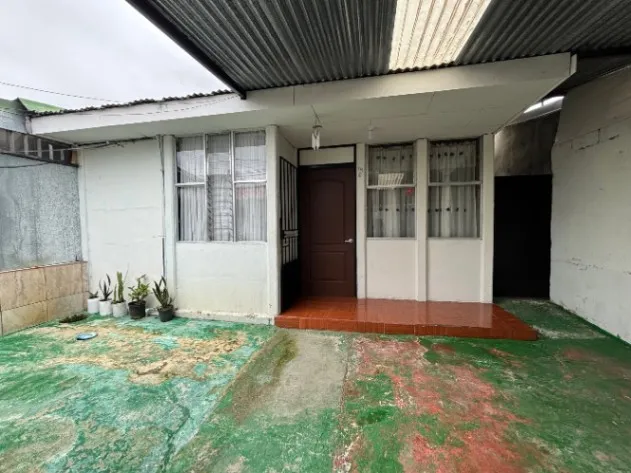
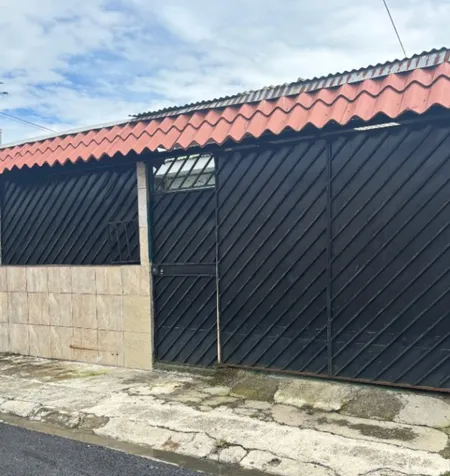
Dulce Nombre, Cartago is a non-coastal district of 33.6 km² that belongs to the canton of Cartago and is not the canton seat, which is Oriental. It borders districts in four cantons, which suggests a mix of town edges and rural land. The listings pack shows houses, lots and land, and farms for sale, so the stock leans toward residential and agricultural property rather than commercial space.
Before moving, visit the exact street and check the water supply, the condition of the access road, noise levels at different hours, and how far you are from shops, clinics and schools.
Cost of living
Housing is the main cost driver here, whether you buy or rent. Prices depend on the property type, the size of the lot, and how easy it is to reach paved roads and services. A farm or a large lot is budgeted very differently from a house in a built-up area.
Beyond the purchase price or rent, budget for electricity, water, internet, and daily transport, which matters more in a district that sits away from the canton seat. Buyers should also add the annual property tax and notary and registry costs. When there are enough listings, this page shows above the typical rent and purchase figures for the zone.
Lifestyle
The pack describes a district with no coast and a mix of lots, farms and houses, so daily life is more rural or semi-rural than urban. Expect to use a car or local transport for most errands, and plan for larger shopping, banking and government paperwork to take place in the canton seat.
Official villages and neighborhoods suggest small clusters of homes rather than one dense center. If you work from home, check mobile coverage and internet options at the specific address, since they can vary a lot between one village and the next.
Climate and nature
Dulce Nombre is inland, in the province of Cartago, which lies in Costa Rica's central highlands. Like the rest of the country, it has a drier season, roughly from December to April, and a rainy season for the remainder of the year. Highland areas tend to be cooler and often cloudier than the lowlands, and slopes facing the Caribbean side can receive more rain.
Because the district has farms and rural land, green space is part of daily surroundings. On sloped land, ask about drainage and soil stability during the rainy months.
Economy and opportunities
The economy of this part of the Cartago region combines farming, services, commerce and jobs in the greater metropolitan area. The listings of farms and land point to agriculture as part of the local picture, though the pack does not name any specific activity or employer.
Being relatively close to the capital and to the main airport matters for commuters, remote workers who travel, and students who attend institutions in the metro area. Still, a daily commute on highland roads can be slow, so test it before you commit to a purchase or a lease.
Accessibility and location
Dulce Nombre is district number 9 of the canton of Cartago, in the province of Cartago. Its postal code is 30109 and its area is 33.6 km² (13.0 sq mi). The local authority is the Municipalidad de Cartago.
It borders Copey (canton of Dota), Oriental, Aguacaliente, Paraíso (canton of Paraíso), Orosi (canton of Paraíso), Llanos de Santa Lucía (canton of Paraíso) and San Rafael (canton of Oreamuno).
In a straight line, it is 12.5 km (7.8 mi) from Oriental, the canton seat, 29.9 km (18.6 mi) from downtown San José and 45.9 km (28.5 mi) from Juan Santamaría International Airport (SJO). The official neighborhoods are Caballo Blanco and San José, and the villages are Cóncavas, Navarro, Perlas and Río Claro, all from Costa Rica's official territorial division (Decree 44882-MGP). Real travel time depends on the hour and the road.
History
Dulce Nombre, located in the province of Cartago, Costa Rica, has undergone a remarkable evolution since its founding in 1848. Originally, this rural community was dedicated to agriculture, but over time it has grown in infrastructure and population. The culture of Dulce Nombre is characterized by its religious traditions, especially the celebration of the Fiesta de la Virgen de los Ángeles, which attracts numerous visitors. In addition, its festivities and local cuisine reflect the rich Costa Rican heritage.
Tips
Drive the daily commute at different hours, including the morning and evening peaks, to see how the road behaves. Ask the owner or agent about water and utilities for the specific property: whether the water comes from a public system or a local association, and whether electricity and internet are connected.
Ask for recent utility bills and, if buying, have the title checked at the National Registry. If renting, sign a written lease under the General Law of Urban and Suburban Leases, Law 7527. You can also use Anuntico to save listings in this zone and follow new ones.
In summary
Living in Dulce Nombre, Cartago, Costa Rica, is an ideal choice for those looking to establish their home or invest, thanks to its tranquility and security, as well as its access to essential services and a welcoming community. Dulce Nombre, Cartago is an inland, mostly rural district in the highlands, with houses, lots and farms on the market. It makes the most sense for buyers who want more land and space and are willing to drive for most errands. Check water, road access and the daily commute on site before deciding.