Quality of life
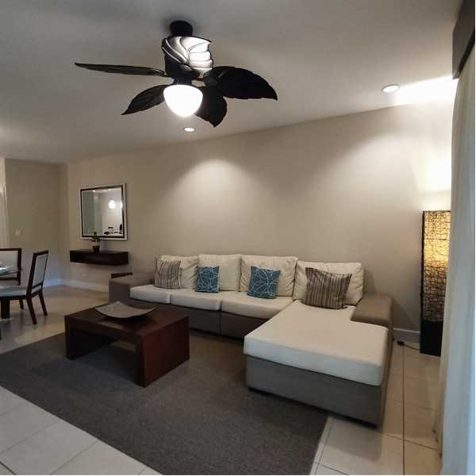
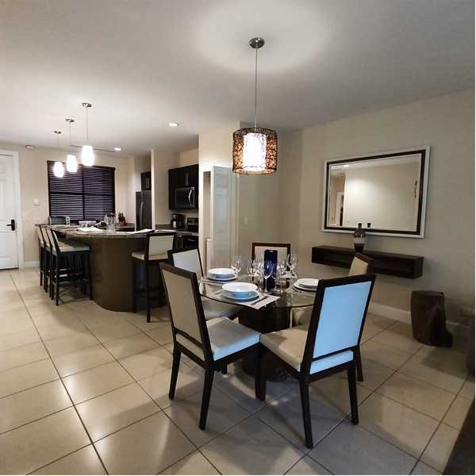
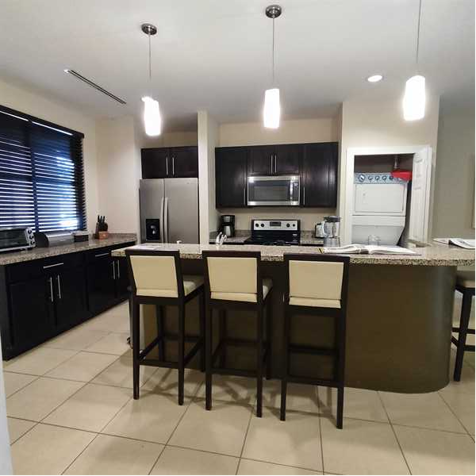
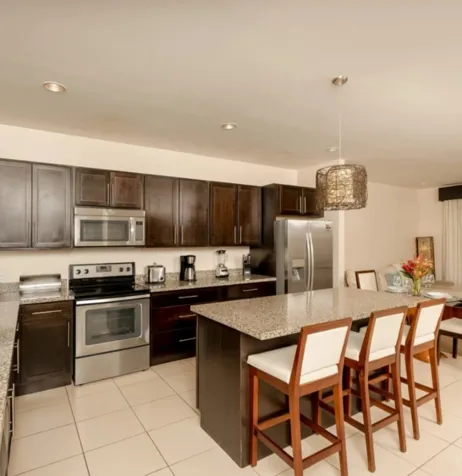
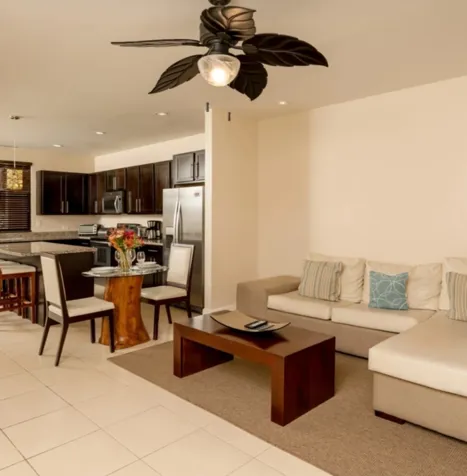
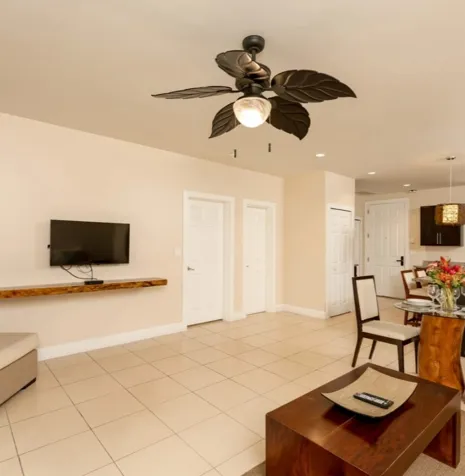
Palmira is a inland district in the canton of Carrillo, Guanacaste, and it is not on the coast. Its area is moderate, and the canton seat is a separate district, so some errands mean leaving Palmira. For sale, the pack lists apartments or condos and lots and land, so the choices lean toward building or buying in a development rather than a wide range of existing houses.
Before moving, check the surroundings in person: how the road reaches the property, whether public water is connected, how noisy the street is at night and on weekends, and what services you can reach on a normal day.
Cost of living
Housing is usually the biggest cost, and it depends on whether you buy a condo, a lot or rent elsewhere nearby. Beyond that, build a budget with electricity, water, internet and phone, plus daily transport, since distances between towns in Guanacaste often call for a car.
If you buy, add the annual property tax paid to the municipality and the notary and registration costs. Condominium fees may also apply to apartments or condos. When there are enough listings, this page shows above the typical rent and purchase figures for the zone, which you can use as a starting point for your own comparison.
Advertisements
Lifestyle
Daily life in Palmira is more rural than urban. It is an inland district with a mix of named neighborhoods and villages, so expect a residential and agricultural setting rather than a dense city center. Many households plan their week around trips for groceries, banking, health care and paperwork.
The canton seat is a separate district, so errands there need a planned trip, and a vehicle is the practical default. If you work remotely, confirm internet availability at the exact address before committing, because coverage can change from one street to the next.
Climate and nature
Palmira is in the northwest of Costa Rica, in Guanacaste, which has a marked dry season and rainy season. In general, the dry months run from about the end of the year into the spring, and the rains come in the middle and later part of the year, with the wettest weeks usually late in the rainy season.
The district is not coastal. Lowland Guanacaste tends to be drier and hotter than the central highlands, so ask about shade, ventilation, and how a property handles heavy rain, runoff and dust in the dry season.
Economy and opportunities
Guanacaste's economy combines farming and cattle, tourism, services and construction. Palmira sits in that regional mix, so local work is likely tied to agriculture, the services that support nearby towns and the tourism sector across the province.
Being relatively close to an international airport matters for people who travel often or work with visitors. San José is much farther, so frequent in-person work in the capital metro area is less practical from here. For study or specialized jobs, expect to travel to larger towns or to remote options.
Accessibility and location
Palmira is district number 2 of the canton of Carrillo, in the province of Guanacaste. Its postal code is 50502 and its area is 31.5 km² (12.2 sq mi). It borders Liberia and Nacascolo (both in the canton of Liberia), as well as Filadelfia, Sardinal and Belén.
In a straight line, it is 20.8 km (12.9 mi) from Filadelfia, the canton seat; 179.9 km (111.8 mi) from downtown San José; and 7.1 km (4.4 mi) from Daniel Oduber International Airport (LIR).
Its official neighborhoods are Coyolera and María Auxiliadora, and its villages are Ángeles, Comunidad, Paso Tempisque and San Rafael, as listed in Costa Rica's official territorial division (Decree 44882-MGP). Real travel time depends on the hour and the road.
History
The history of Palmira, in Carrillo, Guanacaste, dates back to its founding, when the first agricultural communities were established. Over the years, Palmira has evolved from a small rural settlement into a cultural center that celebrates its traditions, such as the feast of the Virgin of the Angels.
Its people, known for their hospitality, keep alive customs like crafting and local cuisine, including typical dishes that reflect the cultural richness of the region.
Tips
Drive the route you would use every day at different hours, including early morning and late afternoon, to see how traffic and road conditions change. Visit the property on a rainy day if you can.
Ask about water and utilities for the specific property: whether water comes from the public system or a well, and who is the account holder. Request recent electricity and water bills. If you rent, insist on a written lease under Costa Rica's General Law of Urban and Suburban Leases (Law 7527). To follow the zone, you can save listings on Anuntico.
In summary
Living in Palmira, Carrillo, Guanacaste, Costa Rica, is an ideal choice for those looking to establish their home or invest. This locality offers an impressive natural environment, with beautiful beaches and nearby mountains, perfect for those who enjoy the outdoors and tranquility. Palmira is an inland district of Carrillo, Guanacaste, with a rural character, a mix of named villages and neighborhoods, and listings of condos and land. It makes the most sense for buyers who want to be near an international airport and who accept driving for most errands. Anyone considering it should visit the exact address, check utilities and test the commute before deciding.