Quality of life
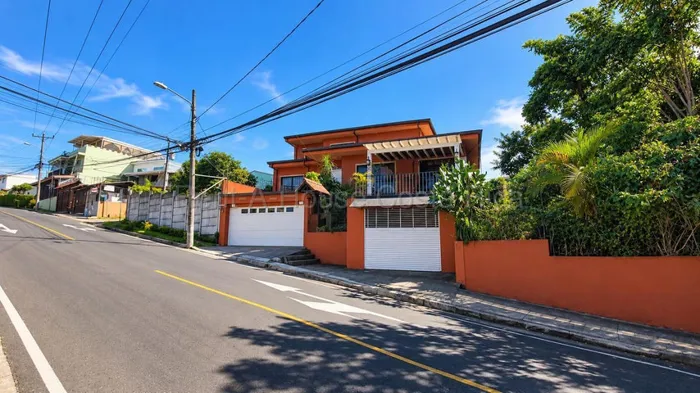
Santiago is a small, mostly urban district that sits right beside its canton seat, so it works as part of the built-up area around San Rafael rather than as an isolated village. It is not coastal. It borders several districts, which means services and roads are shared across district lines.
For sale, the pack lists houses; for rent, it lists commercial spaces and warehouses. That points to a mix of residential and business use. Before moving, check water supply, noise at different hours, how the street connects to main roads, and what services you can reach on foot.
Cost of living
Housing is the main cost driver here, as in most of the Greater Metropolitan Area of Costa Rica. Location within the district, property age, size and whether a home sits in a gated community all affect what you pay.
Beyond rent or a mortgage, budget for electricity, water, internet and phone, daily transport or fuel, and parking if relevant. Buyers should add the annual property tax paid to the municipality, plus registry and legal costs at purchase. Condo or community fees apply in some developments. When there are enough listings, this page shows above the typical rent and purchase figures for the zone, which gives a starting point for comparison.
Advertisements
Lifestyle
Santiago is urban and compact. With a district this small and a canton seat so near, most errands such as banking, municipal paperwork and groceries can be handled without leaving the immediate area. Many residents rely on a car, but short local trips are practical.
The listed rentals are commercial spaces and warehouses, so expect a mix of homes and small businesses on nearby streets. Visit on a weekday and on a weekend to see how traffic, noise and activity change before you decide.
Climate and nature
Santiago is inland, in the Central Valley, where the year divides into a dry season and a rainy season. The dry months run roughly from December to April, and the rains come in the rest of the year, usually as afternoon showers that are heavier toward the end of the season.
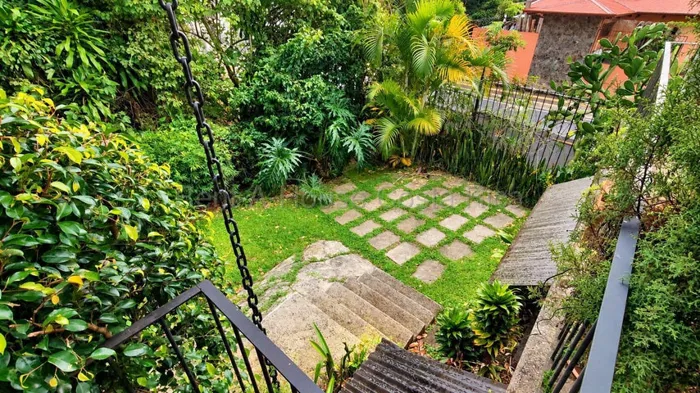
The district is not coastal, and its small area is mostly built up, so green space is limited to what is within or just outside the district. Ask about drainage and runoff during heavy rain when you look at a property.
Economy and opportunities
The region around Heredia combines services, commerce, light industry and education, with a good share of residents commuting to jobs elsewhere in the metro area. Farming is part of the wider province but is not a defining feature of a district this size.
Being close to San José and the main international airport makes commuting, regional work and frequent travel more manageable than in outlying parts of the country. Remote workers and people with business abroad often value that connection. The commercial spaces and warehouses listed for rent suggest some demand for small business premises.
Accessibility and location
Santiago is district number 3 of the canton of San Rafael, in the province of Heredia. Its postal code is 40503 and its area is 1.6 km² (0.6 sq mi).
It borders Heredia (canton of Heredia), San Rafael, San Josecito, Concepción and San Pablo (canton of San Pablo). In a straight line, it is 1.0 km (0.6 mi) from San Rafael, the canton seat, 8.5 km (5.3 mi) from downtown San José and 11.9 km (7.4 mi) from Juan Santamaría International Airport (SJO).
Its official neighbourhoods are Jardines de Roma, Jardines Universitarios and Suiza, as listed in Costa Rica's official territorial division (Decree 44882-MGP). Real travel time depends on the hour and the road.
History
The history of Santiago, in San Rafael de Heredia, dates back to its founding in 1848, when it was established as a small agricultural settlement. Over the years, Santiago has evolved from a rural area to a center of activity, preserving its traditions such as the patron saint festivals in honor of San Santiago, which attract local visitors. Its culture is enriched by a blend of indigenous and colonial influences, reflected in its gastronomy and customs.
Tips
Drive your daily commute at rush hour and at midday, since traffic in the Central Valley changes a lot through the day. Visit the property at night and on a weekend too.
Ask the owner about water and electricity service for the specific property, and request recent bills. If you rent, sign a written lease under Costa Rica's General Law of Urban and Suburban Leases, Law 7527. If you want to follow the zone over time, you can save your searches on Anuntico.
In summary
Living in Santiago, San Rafael, Heredia, Costa Rica, is an ideal choice for those looking to establish their home or invest, thanks to its excellent quality of life and its privileged natural environment. Santiago is a small, non-coastal district in the canton of San Rafael, next to its canton seat and within reach of San José. It may suit people who want a compact, built-up area with shared services nearby, as well as small businesses looking for premises. Visit at different hours and check utilities before you commit.