Quality of life
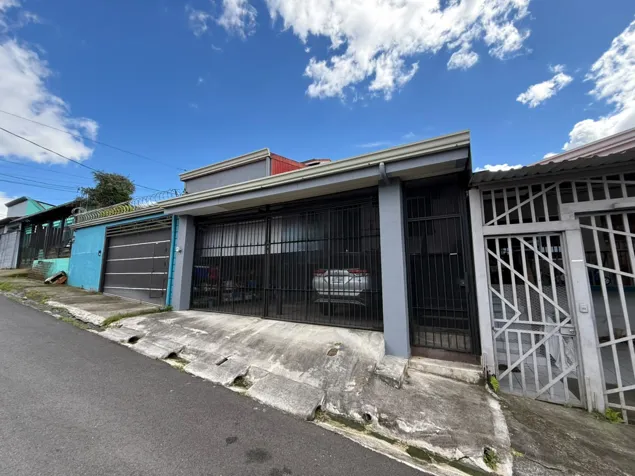
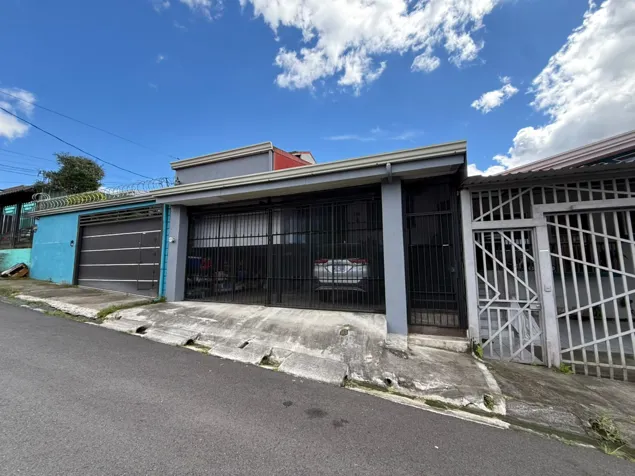
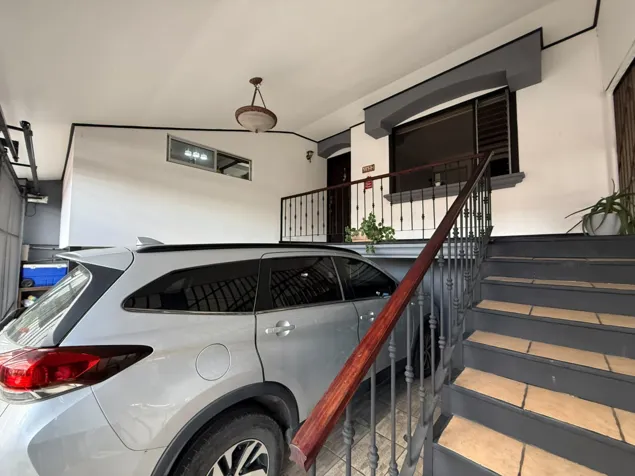
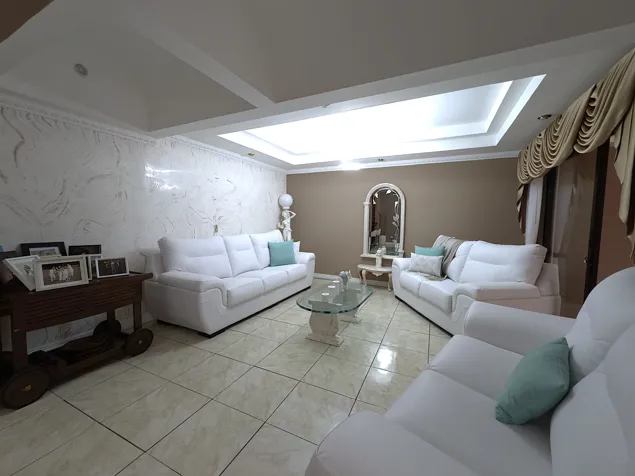
San Antonio, Alajuelita, San José is a non-coastal district of about 10.3 km² in the canton of Alajuelita, bordering several districts in neighboring cantons. The pack shows only houses listed for sale, so the market here is mostly residential rather than commercial or rural lots.
Before moving, check the things a map will not tell you: how reliable water service is on the specific street, how much traffic noise there is at rush hour, the condition of the access road, and how far you would walk to shops, clinics and bus stops.
Cost of living
Housing is the main cost driver in any district near the capital, and it will likely be the largest line in your budget. Beyond rent or a mortgage, add electricity, water, internet and phone, plus the cost of getting around each day, whether by bus, taxi or your own vehicle.
If you buy, include the annual municipal property tax and any transfer costs. If the home is in a gated development or condominium, ask about monthly fees. When there are enough listings, this page shows above the typical rent and purchase figures for the zone.
Advertisements
Lifestyle
This is an inland, mostly residential district in the Greater Metropolitan Area, so daily life tends to revolve around the car or public buses rather than beach or farm routines. Because the canton seat is close, errands such as municipal paperwork, banking and larger grocery runs are generally handled there or in San José.
Expect a mix of neighborhood streets and hillier terrain on the edges. Visit at different times of day and on a weekend to see how the area actually feels, since the pack does not describe local shops or activities.
Climate and nature
San Antonio is not coastal. Like the rest of the Central Valley and its southern foothills, it has a dry season, roughly December to April, and a rainy season for the rest of the year, with afternoon showers common in the wetter months.
Higher ground on the slopes of the hills south of San José is usually cooler and cloudier than the valley floor. If a property sits on a slope, ask about drainage, runoff and landslide exposure during heavy rain.
Economy and opportunities
The economy around this district is tied to the San José metropolitan area, where services, commerce, government and office work concentrate. Many residents of districts like this one commute to jobs or classes elsewhere in the metro area rather than working locally.
Being close to the capital and within reach of the international airport matters for remote workers who travel, and for anyone needing universities or professional services. Check your commute on real roads before committing to a lease or purchase.
Accessibility and location
San Antonio is district number 3 of the canton of Alajuelita, in the province of San José. Its postal code is 11003 and it covers 10.3 km² (4.0 sq mi). The local authority is the Municipalidad de Alajuelita.
It borders San Antonio (canton of Escazú), San Juan de Dios (canton of Desamparados), Aserrí (canton of Aserrí), Tarbaca (canton of Aserrí), Tabarcia (canton of Mora), San Josecito, Concepción, San Felipe and Palmichal (canton of Acosta).
In a straight line, it is 4.1 km (2.5 mi) from the canton seat, Alajuelita, 9.1 km (5.7 mi) from downtown San José and 16.3 km (10.1 mi) from Juan Santamaría International Airport (SJO). Its official neighborhoods are Caracas, Cascabela, Llano and Piedra de Fuego, and the village is Lámparas, all from Costa Rica's official territorial division (Decree 44882-MGP). Real travel time depends on the hour and the road.
History
San Antonio, located in Alajuelita, San José, has a history that dates back to the founding of the community in 1880, although its origins can be traced to agricultural activities from previous years. Over time, San Antonio has evolved from a small rural settlement to a growing community, with Costa Rican culture reflected in festivities such as the celebration of the Virgen de los Ángeles.
Its culinary tradition and the warmth of its people are aspects that attract both visitors and new residents. Today, San Antonio is characterized by its urban growth and the development of infrastructure.
Tips
Drive the daily commute at different hours, including the morning and evening peaks, before deciding. Ask the owner or agent about water supply and pressure, electricity, internet providers and trash collection for that exact property, and request recent utility bills.
If you rent, sign a written lease under Costa Rica's General Law of Urban and Suburban Leases, Law 7527. If you buy, have a lawyer check the property at the National Registry. You can also save listings in this zone on Anuntico to follow new options.
In summary
Living in San Antonio, Alajuelita, is an ideal choice for those looking to establish their home or invest, thanks to its strategic location that offers easy access to San José and other important areas. San Antonio, Alajuelita, San José is an inland, mostly residential district in the southern part of the San José metropolitan area. It makes the most sense for buyers and renters who want to live close to the capital and are comfortable with hillier terrain, and who will check water, access and commute on site first.