
How prior research improves your home buying experience
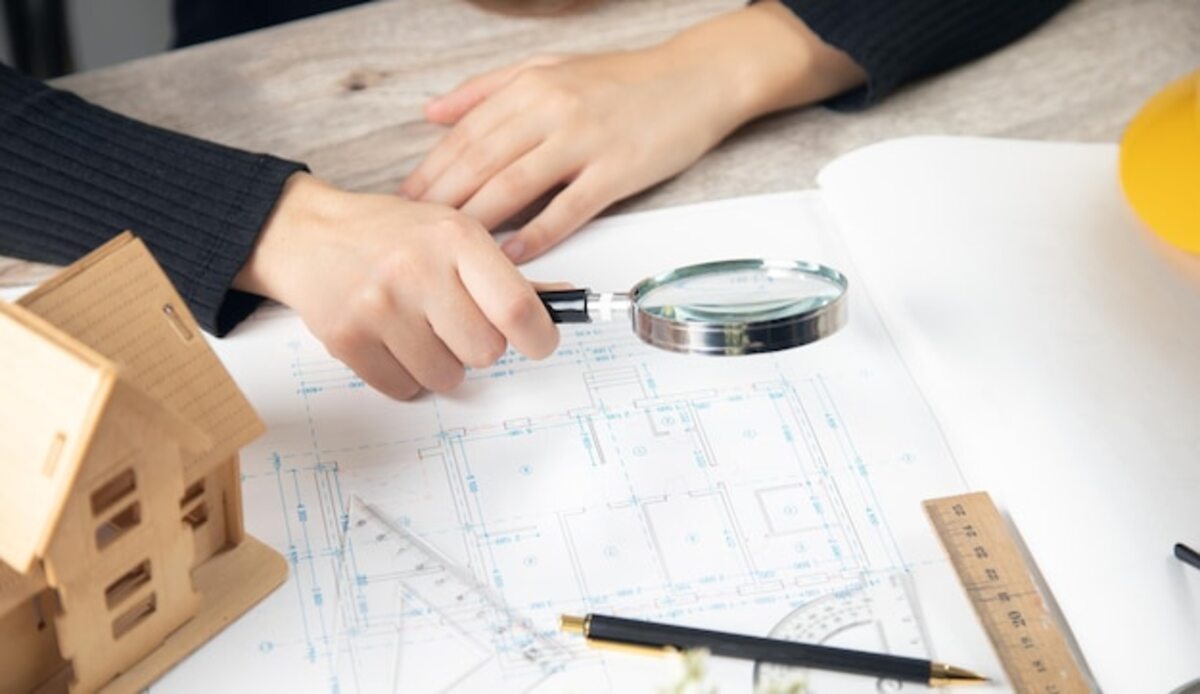
How prior research improves your home buying is a crucial aspect that you cannot overlook. In Costa Rica, the buying process can be complicated, but a proper technical inspection and thorough research can make the difference between a good investment and a financial nightmare. By knowing the property's characteristics and its actual condition, you will be better prepared to make informed decisions and negotiate with confidence. Join me on this journey to discover how preparation can save you time, money, and many headaches.
The importance of technical inspection before buying
A technical inspection before buying a home is an essential step that can make the difference between a successful purchase and a source of future problems. Conducting a thorough assessment of the physical condition of the property will allow you to identify possible structural failures, electrical issues, poor plumbing, or pest damage that may not be immediately obvious. These factors not only affect the quality of life in the home but can also imply significant expenses for future repairs. A proper inspection gives you a clear view of the true value of the property, preparing you to make more informed decisions.
Additionally, having a detailed technical report provides leverage in negotiations. If issues are identified during the inspection, you will have solid arguments to request price adjustments or even favorable conditions to carry out the necessary repairs before closing the purchase. This not only builds trust between the buyer and the seller but also puts the buyer in a stronger position to protect their investment. In summary, investing time and resources in a technical inspection is essential to ensure that your purchase is truly what you expected and to avoid unpleasant surprises in the long run.
Advertisements
How to identify hidden issues in properties
Identifying hidden issues in properties is crucial to avoid unpleasant surprises after the purchase. Start by observing visible aspects such as moisture, cracks in the walls or ceilings, and the condition of the electrical and plumbing systems. These signs may indicate deeper problems that are not obvious at first glance. Conducting a technical inspection of the property with a professional can help you detect these issues before closing the deal. A good inspector will be able to point out areas that may require costly repairs, allowing you to assess whether the investment is worthwhile.
Also, do not underestimate the importance of researching the property's history. Ask the seller about any remodeling work done, as well as the permits associated with those changes. It is also helpful to check if there have been previous complaints about the property or issues with neighbors that could affect your quality of life. The information gathered will give you a clearer view of the actual condition of the home and help you negotiate the price better. By identifying and addressing these hidden problems from the start, you can enjoy your new home with greater peace of mind and confidence in your investment.
Useful tools for conducting effective research
To carry out effective research before buying a home, it is essential to have the right tools that facilitate the process. One of the most important is an online property comparator, which allows you to evaluate different options based on criteria such as price, location, and specific features. These sites not only provide updated listings but also include information about the neighborhood and other variables that may influence your decision. Additionally, some platforms allow access to reviews from other buyers, which can give you a clearer insight into the reputation of the developer or real estate agent involved.
Another essential tool is real estate market reports and statistical analyses. These documents provide data on price trends in different areas, as well as future projections that can help you better understand if you are making a good investment. By combining this information with your personal and financial needs, you can make more informed decisions. Finally, do not underestimate the power of personal contact; talking with neighbors or local agents can offer you valuable insights into the quality of life in the area and any hidden issues that may affect your final decision.
Tips for selecting a reliable technical inspector
Selecting a reliable technical inspector is one of the most important decisions you will make in the home buying process. To do this, start by researching the inspector's reputation through references and reviews from previous clients. Ask friends or family if they have worked with any inspector and what their experience was like. Additionally, verify that the professional is properly certified and has the necessary experience in residential inspections. A well-qualified inspector will not only provide you with a detailed report on the property's condition but will also be able to offer you valuable advice on potential improvements or repairs.
Another key aspect to consider is the communication of the inspector. It is essential that they feel comfortable asking questions and discussing any concerns they may have during the inspection. A good inspector should be able to explain the findings clearly and understandably, without using technical jargon that may confuse you. It is also advisable to request a written report after the inspection, documenting all the issues found and their recommendations. This documentation will be invaluable for your negotiations with the seller and may even serve as backup in case of future disputes related to the property.
What aspects to evaluate during a property visit
During a visit to the property, it is essential to evaluate several aspects that can significantly influence your purchasing decision. First, pay attention to the structural condition of the property. Look for possible cracks in the walls, signs of moisture, or leaks in the roof and windows. These details may indicate larger problems that could jeopardize your long-term investment. It is also advisable to investigate the quality of the materials used in the construction, as well as the condition of the electrical and plumbing systems. A well-maintained home not only provides peace of mind but can also save you unexpected costs on future repairs.
Another key aspect to evaluate during the visit is the immediate environment of the property. Consider factors such as the location, access to essential services (schools, hospitals, public transport), and the safety of the neighborhood. An area on the rise can offer a good return on investment over time, but if it is surrounded by inadequate infrastructure or high crime rates, it could affect your quality of life and the future value of the property. Additionally, don't forget to observe how neighboring properties are maintained; a well-kept neighborhood often reflects an active community that cares about its environment. By gathering this information during your visit, you will be able to make more informed decisions that align with your needs and expectations.
The impact of prior research on resale value
Prior research not only affects the buying process but also has a significant impact on the resale value of the property. Knowing the history of the property, its location, and local market trends can provide you with a competitive advantage when you decide to sell. For example, if you have identified that an area is on the rise or that improvements are being made to nearby infrastructure, this can considerably increase the future value of your property. A thorough assessment will allow you to make strategic decisions that will not only benefit your initial purchase but also facilitate a successful future sale.
Additionally, by conducting a detailed analysis of potential structural or legal issues during your prior research, you can avoid unpleasant surprises that negatively affect the price at the time of resale. Potential buyers are often very interested in properties with a transparent and well-documented history; this means that if you can demonstrate that you have properly maintained and cared for your home, you are more likely to achieve a fair price and even above the market average. In summary, meticulous preparation not only ensures a good purchase today but also lays the groundwork for a solid return on investment in the future.
Real cases: success stories thanks to due diligence
One of the most inspiring stories is that of Laura and Miguel, a young couple who decided to buy their first home in a developing area of Costa Rica. Before making an offer, they conducted a thorough analysis of the neighborhood, consulted real estate experts, and ensured they obtained all the necessary technical reports regarding the property's condition. Thanks to this due diligence, they discovered that the property had hidden issues related to the infrastructure, allowing them to renegotiate the price in their favor and ultimately acquire the home without unpleasant surprises. Their story is a clear example of how research can transform a potential nightmare into a dream come true.
Another notable case is that of Carlos, an investor looking for rental properties. In conducting his due diligence, he not only examined the physical condition of each property but also studied local market trends and spoke with current tenants to understand their experiences. This preparation allowed him to identify an undervalued property due to some minor issues. After negotiating appropriately and making strategic repairs, he was able to significantly increase his profitability. Carlos's story highlights how due diligence not only prevents costly mistakes but also opens doors to unexpected opportunities in the competitive real estate market.
Advertisements
More in Technical Inspection

Buying Process, Technical Inspection
How local consulting can enrich your home buying experience
Buying Process, Technical Inspection
Aspects to consider for a safe and reliable home purchase
Buying Process, Technical Inspection
Keys to Understanding the Impact of Inspection on Your Home
Buying Process, Technical Inspection
How pre-planning ensures a successful home purchase
Most viewed in Buying Process
Buying Process, Legal Verification
Fundamental Aspects to Ensure Your Real Estate Purchase
Buying Process, Legal Verification
Legal Aspects That Boost Your Confidence When Buying Properties
Buying Process, Advice
Tips for choosing the ideal property without complications

Buying Process, Common Mistakes
Mistakes That Can Frustrate Your Purchase in La Fortuna