
Informed decisions: choosing the ideal location for your home
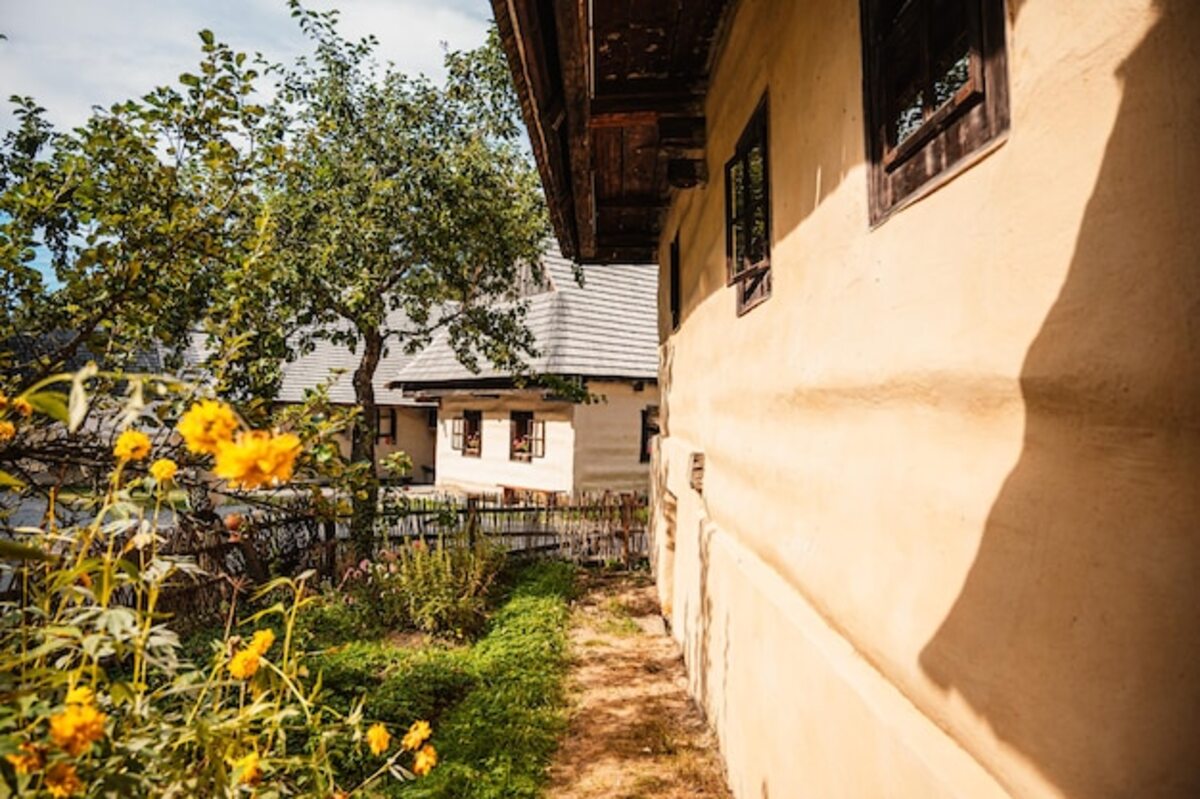
Deciding where to build your home is one of the most important decisions you will make. In Costa Rica, the choice between a rural or urban location not only affects your quality of life but also the appreciation of your investment. With the right information, you can weigh the advantages and disadvantages of each option and find the perfect place that suits your needs and aspirations. Join me on this journey so you can make informed decisions about the ideal location for your new home.
Advantages of living in urban areas: convenience and access.
Living in urban areas offers a number of advantages that can make life more comfortable and accessible. Cities often have well-developed infrastructure that includes efficient public transportation, making it easier to get from one place to another without needing to rely on a car. In addition, the proximity to essential services such as supermarkets, hospitals, and schools is a great attraction for both families and professionals. This closeness not only saves time but also reduces the stress associated with daily commutes, allowing for more enjoyment of leisure time.
Another aspect to highlight is the variety of recreational and cultural options offered by urban areas. From museums, theaters, and restaurants to parks and public spaces where community activities take place, living in the city provides access to a dynamic and enriching lifestyle. This diversity can be especially beneficial for those looking to socialize or expand their professional network. In summary, choosing a home in an urban environment means opting for convenience and unlimited opportunities to enjoy a full and active life.
Advertisements
Benefits of the rural environment: tranquility and nature.
The rural environment is characterized by its tranquility, which represents a great attraction for those seeking to escape the hustle and bustle of urban life. The peace offered by natural landscapes, along with the lower population density, allows for a more relaxed and less stressful lifestyle. In these types of environments, it is common to find spacious and open areas, ideal for outdoor activities such as hiking, gardening, or simply enjoying the fresh air. This direct connection with nature not only enhances emotional well-being but also fosters a sense of community among residents.
Additionally, living in a rural environment allows for greater closeness to nature and its inherent benefits. The biodiversity surrounding these areas provides unique opportunities to learn about local flora and fauna, as well as to practice more sustainable lifestyles. The possibility of cultivating your own garden or having animals can be very rewarding and contribute to a healthier diet. Likewise, constant contact with the natural environment fosters practices such as ecotourism and outdoor recreational activities, promoting an active and balanced lifestyle that increasingly attracts more people seeking quality of life in harmony with their surroundings.
Impact on added value: rural vs urban?
The location of your home has a significant impact on its appreciation, and this difference becomes more evident when comparing rural areas with urban ones. Properties in urban areas tend to enjoy higher demand due to proximity to services, jobs, and social activities. This often translates into a faster appreciation of housing value over time, especially in growing cities where urbanization continues to expand. Additionally, access to infrastructure such as public transport, schools, and hospitals can positively influence the perception of property value. On the other hand, rural areas may offer unique features that also impact their appreciation. Although they may not experience the same rapid pace of appreciation as urban areas, rural properties often have lower initial prices and the possibility of enjoying spacious surroundings and nature. With the increasing interest in sustainable and disconnect lifestyles, as well as remote work that allows many people to live away from urban hustle, some rural areas are seeing an increase in their value. So when evaluating where to build your home, consider not only your personal preferences but also how each environment can affect your long-term investment.
Lifestyle: what do you prefer, movement or serenity?
When it comes to choosing the ideal location for your home, the lifestyle you prefer plays a crucial role. If you are an active person who enjoys the opportunities that urban life offers, such as restaurants, shops, and cultural events, then a location in the city might be your best option. Urban areas tend to be more connected and offer a wide range of activities to keep you entertained and socially active. Additionally, proximity to workplaces and services can make your daily life easier, allowing you to enjoy a dynamic and exciting pace of life. On the other hand, if you value tranquility and a connection with nature more, a rural area might be what you are looking for. Living in a serene environment can provide you with a break from the daily hustle and a more relaxed quality of life. The chance to enjoy fresh air, natural landscapes, and a less congested atmosphere can be very appealing for those seeking mental peace and emotional well-being. Reflect on your priorities: do you prefer the constant movement of the city or the serenity of the countryside? Your choice will define not only your daily routine but also the environment in which you wish to build memories with your loved ones.
Access to services: education, health, and entertainment.
When choosing the ideal location for your home, access to essential services such as education and healthcare plays a fundamental role in your quality of life. Living in urban areas generally offers greater proximity to renowned schools, universities, and healthcare centers, which facilitates daily life and enhances opportunities for you and your family. Additionally, having educational institutions nearby not only saves time and transportation costs but also provides varied options that can cater to different needs and learning styles. On the other hand, in rural areas, although the options may be more limited, it is possible to find communities that value local education and offer unique alternatives.
Entertainment is another crucial aspect to consider when selecting the location of your home. Cities often offer a wide range of recreational, cultural, and social activities, from theaters and museums to restaurants and community events. This can enrich your social life and involve the whole family in various experiences. However, rural areas have their own charm: open natural spaces, outdoor activities like hiking or cycling, as well as a closer-knit community where local events tend to be meaningful. Evaluating your personal preferences regarding education, health, and entertainment will enable you to make informed decisions about the environment that best fits your expectations for the future.
Considerations for families: space and safety.
When considering the ideal location for your home, it is crucial to take into account space and safety, especially if you are part of a family. The amount of available space influences daily well-being; a spacious home allows each member to enjoy their privacy and fosters a harmonious family environment. Additionally, having outdoor areas, such as gardens or patios, provides opportunities for recreational activities and togetherness, which is essential for the healthy development of children. On the other hand, in urban areas, you may find more limited options in terms of space, but they often offer access to nearby services and amenities.
Safety is another crucial aspect that should not be underestimated when choosing a location. Researching crime rates and the presence of organized communities can provide you with a better understanding of the environment where you plan to settle. Rural areas are often associated with a lower crime rate, while some urban areas may present additional challenges in this regard. Ensuring that your future home is in a safe neighborhood not only provides peace of mind for your family but also contributes to the long-term value of your investment. By balancing these considerations of space and safety, you will be better prepared to make informed decisions about the perfect place to build your family life.
Future perspectives: trends in urban and rural development.
The evolution of urban and rural development in Costa Rica is marked by trends that seek to balance economic growth with environmental sustainability. In urban areas, there is a boom in the construction of eco-friendly housing and infrastructure projects that prioritize public transportation, green spaces, and pedestrian zones. This not only improves the quality of life for residents but also increases the attractiveness of these areas for future investments. On the other hand, rural communities are experiencing a resurgence thanks to initiatives that promote sustainable tourism and organic farming, which create economic opportunities and revitalize populations that had been stagnant.
Moreover, there is a growing interest in more sustainable lifestyles that promote reduced reliance on cars and greater connection with nature. This change is driving many families to consider rural locations as viable alternatives for their homes, where they can enjoy spaciousness and tranquility without sacrificing access to basic services. As this transformation progresses, it is crucial to stay informed about these trends to make informed decisions about where to settle. The choice between urban and rural is no longer based solely on personal preferences; it now also depends on knowledge about how each option can thrive in the future in the face of environmental and social challenges.
Advertisements
More in Rural vs Urban

Location and Value, Rural vs Urban
The relationship between landscapes and property valuation

Location and Value, Rural vs Urban
Choosing your home: keys to a location with lasting value

Location and Value, Rural vs Urban
Natural Wealth and Appreciation Opportunities in La Fortuna

Location and Value, Rural vs Urban
The influence of infrastructure on the value of your property
Most viewed in Location and Value
Location and Value, Best Areas
House rents in October: what rose and what fell

Location and Value, Best Areas
The housing market in October: what rose and what fell

Location and Value, Best Areas
The lot market in October: what rose and what fell
Location and Value, Community Living
The impact of accessibility on the value of your property