
Aspects to consider for a move that protects your investment
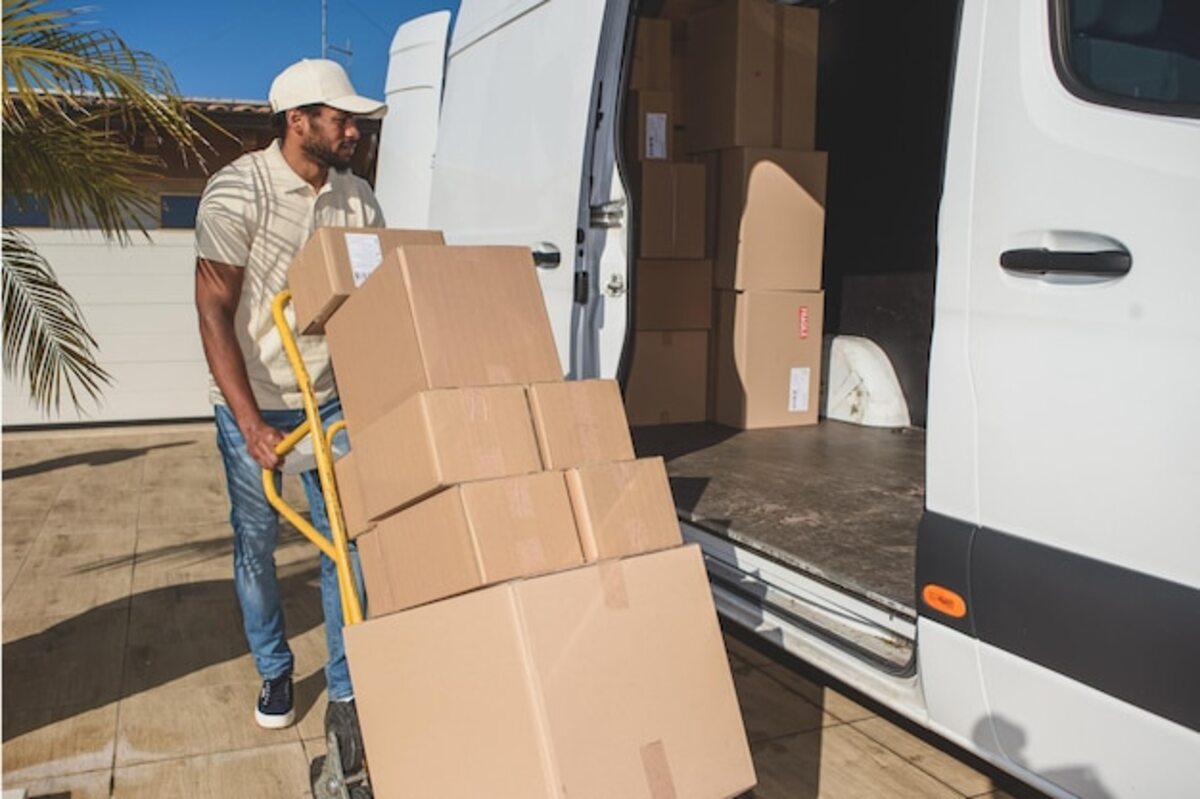
Moving can be an exciting experience, but it can also turn into a headache if not planned properly. In this article, we will explore 'Aspects to Consider for a Move that Protects Your Investment', focusing on how transportation services can make a difference. From choosing the right company to protecting your belongings, every decision matters to ensure that your move is efficient and safe. Get ready to learn everything you need for your new phase to begin smoothly.
The importance of selecting a reliable transportation company
Choosing a reliable transportation company is a fundamental step to ensure that your move goes smoothly. A reputable company will not only ensure that your belongings arrive at their destination in perfect condition but will also provide you with peace of mind throughout the process. Researching reviews from other customers and verifying the company's credentials can be crucial to avoid unpleasant surprises. By trusting experienced professionals, you can be confident that they have appropriate strategies to handle unforeseen issues and safeguard your goods. Moreover, a reliable transportation company will offer adequate insurance for your belongings, which is crucial in case of damage or loss. This aspect is vital when you are taking care of your investment; after all, each piece of furniture and object has significant value, both emotionally and economically. Make sure to ask about coverage policies before making a final decision. Remember that it is not only about the cost of the service but also about the level of protection and care that your items will receive during the move. Making the right choice can make the difference between a positive experience and one filled with stress and inconveniences.
Advertisements
Cost vs. Quality Assessment in Moving Services
When evaluating cost vs. quality in moving services, it is essential to understand that the cheapest option is not always the best choice. Often, companies that offer very low rates may compromise the quality of service, which could result in damage to your belongings or poor service. Before choosing a company, it is important to research and compare not only the prices but also the opinions of other customers and the reputation of the company. Make sure to ask about their insurance policies and liability in case of loss or damage.
Additionally, consider the added value that a more expensive company with good references can offer. Services such as professional packing, specialized transportation for fragile items, and personalized customer service can make a significant difference during the moving process. At the end of the day, investing a little more in a reliable service can save you time, stress, and potential financial losses due to damage. Remember that your investment should be protected not only through the initial cost but also by considering the quality of the service provided to ensure a successful and smooth experience.
How to ensure that your belongings are protected during the move
To ensure your belongings are protected during the move, it is essential to have proper packing. Use sturdy boxes and filling materials such as bubble wrap or kraft paper to cushion fragile items. Be sure to label each box with its contents and the room it belongs to in your new home; this will not only make organization easier when you arrive at your destination but also help you quickly identify any potential damage if it occurs during transport. Do not underestimate the importance of packing, as inadequate protection can result in costly damage to your most treasured possessions.
In addition to packaging, choosing a reliable moving company is crucial to ensure the safety of your belongings. Research the options available in your area and look for reviews from previous customers to assess their reputation. Ask about their insurance policies and what type of coverage they offer in case of damage or loss. Some companies provide additional insurance that can be beneficial, especially if you are transporting valuable or fragile items. Taking the necessary time to select a professional service will not only protect your belongings during the move but also provide you with peace of mind in this important process.
Logistics planning: optimal routes and times for the move
Effective logistical planning is crucial to ensure that your move goes smoothly. To optimize routes and times, it is advisable to conduct a prior analysis of your current location and the new home. Consider factors such as usual traffic at different times of the day, as well as any access restrictions that your new residence may have. Using navigation apps can help you identify the best routes and avoid unpleasant surprises along the way, which will not only make the move faster but also minimize the stress associated with this process.
Additionally, properly coordinating loading and unloading schedules is vital to maximize the efficiency of the move. If you hire a moving company, make sure to communicate your preferences and specific needs regarding the timing. A good practice is to schedule the move on less congested days and times, which could result in lower costs by avoiding additional hourly fees. Anticipating these variables will help you protect your investment by reducing the risk of damage to your belongings during transport and ensuring a smooth transition to your new home.
Necessary documentation for a safe and legal move
The necessary documentation for a safe and legal move is a fundamental aspect that should not be overlooked. Before starting the process, make sure to have all the required documents on hand, such as rental or purchase contracts, permits for the move in case you reside in a building with restrictions, and any specific authorization that your community may require. It is also advisable to have a detailed inventory of your belongings, which will not only facilitate organization during the move but also help you make claims in case of loss or damage. Having all this information organized will allow you to carry out the move with peace of mind and avoid legal inconveniences.
Additionally, it is important to consider insurance. Check if your moving company offers coverage for potential damage during transport and consider obtaining additional insurance if your belongings have high sentimental or monetary value. Proper management of these documents and policies will not only protect your investment but will also provide you with greater peace of mind throughout the process. Remember that every detail matters when it comes to ensuring a successful transition to your new home; this way, you can focus on enjoying this new chapter without unnecessary worries.
Strategies to minimize stress during the moving process
A move, while exciting, can generate significant levels of stress if not managed properly. To minimize this impact, it is crucial to establish a clear and organized plan from the beginning. Start by creating a detailed task list, assigning deadlines for each one. By breaking the process into smaller stages, you can avoid feeling overwhelmed by the magnitude of the task. Additionally, consider involving friends or family in the move; having a system of emotional and physical support can make the process more manageable and enjoyable. Another effective strategy for reducing stress is to take care of your personal well-being throughout the process. Make sure to dedicate time for yourself between preparation and packing tasks. Practicing relaxation techniques, such as meditation or gentle exercises, can help you maintain a clear and positive mindset. It is also important to keep your daily routine as much as possible; this not only provides emotional stability but also allows you to better manage your time and energy as you face the challenges that a move brings.
Insurance options: do you really need one?
When it comes to moving, one of the most important aspects to consider is the protection of your belongings. This is where insurance options come into play. While it may seem like an unnecessary additional expense, having adequate insurance can make the difference between a successful move and a disastrous experience. Unforeseen events are common: from damage to furniture and appliances to losses due to theft or accidents during transport. Insurance gives you the peace of mind knowing that, in case of any eventuality, you will have financial support to replace or repair your belongings.
There are different types of insurance available, from basic coverage that protects against damage during transportation to more comprehensive policies that include theft and unforeseen accidents. It is essential to read the terms of each option and evaluate which one best fits your specific needs. Some moving companies offer insurance as part of the package, while others allow you to purchase it separately. Before making a decision, consider the total value of your belongings and the possibility of losing something important; this will help you determine if you really need insurance and what type would be the most suitable for your particular situation.
Tips for organizing and sorting your belongings before transport
Before moving day arrives, it is essential to take the time to organize and sort your belongings. This process not only facilitates the loading and unloading during transport but also helps you identify which items you truly want to take with you to your new home. Start by creating categories: clothing, furniture, kitchen utensils, and decorative items are some of the divisions you can use. By doing so, you will be able to better assess which items are essential and which could be donated or sold, which not only reduces the volume of what you need to move but can also generate extra income or benefit others.
Once you have sorted your belongings, it is advisable to label each box with its contents and the room they belong to in your new home. This will greatly simplify the unpacking process and allow you to settle in more quickly. Additionally, consider making a detailed inventory of the most valuable or fragile items to ensure they are adequately protected during transport. Use appropriate materials such as bubble wrap or blankets to wrap them and prevent damage. Remember that good organization not only saves time on moving day but also protects your investment by ensuring that your belongings arrive at their destination in perfect condition.
What to do after arriving: settling in and adapting to your new home
Once you have arrived at your new home, setting up and adapting are crucial steps to ensure a smooth transition. First, it is advisable to start by unpacking the essentials, such as kitchen utensils, clothes, and personal hygiene products. This way, you can establish a sense of normalcy in your daily life almost immediately. At the same time, take the opportunity to organize each room according to its function; investing time in creating a cozy space from the beginning will help you feel more comfortable and quickly adapt to your new environment.
In addition to the physical arrangement of your belongings, also consider emotional aspects during this adaptation phase. Take the necessary time to explore your new neighborhood and familiarize yourself with local services, such as supermarkets, schools, and parks. Connecting with your new neighbors can be an excellent way to integrate into the community; don’t hesitate to introduce yourself or participate in local activities. Remember that moving involves not only a physical change but also an emotional one, so putting effort into feeling welcomed in your new home will be key to caring for your long-term investment.
Advertisements
More in Transportation Services
Preparation and Moving, Transportation Services
Practical guide to ensure your move to an ideal new home
Preparation and Moving, Transportation Services
Practical tips for a move that protects your new investment

Preparation and Moving, Transportation Services
Discover how music can make your move easier

Preparation and Moving, Transportation Services
How to make an effective transition when moving to your new home
Most viewed in Preparation and Moving

Preparation and Moving, Moving
Tips for a successful move to your new home in Costa Rica

Preparation and Moving, Moving
Keys to ensure that your new home is a safe investment
Preparation and Moving, Transportation Services
Practical guide to ensure your move to an ideal new home
Preparation and Moving, Transportation Services
Practical tips for a move that protects your new investment