
How to ensure a safe and reliable move to your new home

Moving to a new home is an exciting stage, but it can also be overwhelming if not planned properly. In this article, we will show you how to ensure a safe and reliable move, avoiding unpleasant surprises along the way. From choosing the right transportation to tips for packing your belongings carefully, you will have everything you need to make your transition smooth and hassle-free. Discover the secrets of a successful move and enjoy the process of settling into your new space.
Importance of planning your move in advance
Planning your move in advance is essential to ensure that everything goes smoothly and efficiently. Starting to organize yourself weeks or even months before the moving date allows you to assess your belongings, decide what to take and what to leave behind, and establish a timeline that minimizes stress. Good planning not only helps avoid unpleasant surprises, such as logistical issues or unexpected costs, but it also gives you the opportunity to research your new neighborhood and adequately prepare the space you are moving into. With a clear vision of what you need to do, you will be able to approach each stage with confidence.
Additionally, having a detailed plan will allow you to assign specific tasks to family members or friends who can help you during the process. This not only lightens the load but also fosters a sense of collaboration and emotional support during a time that can be both exciting and challenging. From finding reliable moving services to preparing labeled boxes by room, every little detail matters. Remember that the more prepared you are, the less likely you are to face unexpected issues on moving day, allowing you to fully enjoy the transition to your new home.
Advertisements
How to choose the right transportation company
Choosing the right transportation company is a crucial step to ensure a safe and reliable move. Start by researching different options in your area, paying attention to reviews and ratings from other users. Recommendations from friends and family can also guide you to companies that have demonstrated good service. Make sure the company has all the necessary licenses and the right insurance, as this not only protects your belongings but also gives you peace of mind throughout the process. Once you have a short list of potential transportation companies, request detailed quotes and compare the services offered. Ask about the team's experience, the packing methods used, and whether they provide tracking during the moving process. Don't hesitate to raise any questions or concerns; a good company will be willing to respond and provide you with clear information. Taking the time to select the most suitable option will ensure that your move goes smoothly, allowing you to focus on enjoying your new home.
Tips for packing your belongings correctly
To pack your belongings properly, it is essential to have the right materials. Start by gathering boxes of various sizes, sturdy tape, and bubble wrap or packing paper to protect fragile items. Use small boxes for books and heavy objects, while larger ones are ideal for clothing or lightweight products. Additionally, don’t forget to label each box with its contents and the room it belongs to in your new home; this will greatly facilitate the unpacking and organizing process upon arrival at your destination.
Another key aspect of packing is the technique you use. Make sure to fill any empty spaces inside the boxes with packing material, such as crumpled paper or towels, to prevent items from shifting during transport. For fragile items, such as dishware or decorations, wrap them individually in bubble wrap before placing them in the box. Place heavy items at the bottom and lighter ones on top to maintain proper balance. By following these practical tips, you can protect your belongings and minimize the risk of damage during the move, ensuring a smooth arrival at your new home.
Necessary documentation for a safe move
To carry out a safe move, it is essential to have the necessary documentation to support each step of the process. First, make sure to have the rental contract or deed of your new home on hand, as these documents are crucial to demonstrate that you have the right to occupy the space. It is also advisable to make a detailed list of the items you are transferring, including their estimated value. This will not only help you better organize your belongings but will also serve in case of loss or damage during transportation.
In addition to these basic documents, if you decide to hire a moving company, request a formal quote and check the insurance policies they offer. Good insurance can protect you against any eventuality and provide you with peace of mind throughout the process. Don't forget to keep the receipts related to the move; they can be useful for tax deductions if you apply this expense as part of a job change or for other valid reasons. Having all this documentation in order not only facilitates the logistics of the process but also allows you to enjoy the experience more without additional worries.
Strategies to protect your fragile items during transportation
Protecting your fragile items during a move is essential to avoid damages that can be costly and emotionally draining. The first strategy is using appropriate packing materials, such as bubble wrap, kraft paper, or padded blankets. Be sure to wrap each item individually, paying special attention to corners and edges, which are more prone to breaking. Additionally, use sturdy boxes and do not overload any box with too many heavy items; instead, distribute the weight among several boxes to ensure they remain intact during transport. Another effective technique is organization at the time of packing. Label each box with a clear description of the contents and their fragility; this will make handling easier when unloading at your new home. Moreover, consider placing the more delicate items on top of the boxes or in areas where they are less exposed to impacts. Finally, if you have professional help for the move, be sure to communicate which items are fragile so that they receive special treatment during the transfer. Implementing these strategies will allow you to have greater peace of mind and enjoy your new home without unnecessary worries.
What to do on moving day: essential checklist
Moving day can be an emotional roller coaster, so having an essential checklist is crucial to stay organized and avoid unnecessary stress. Before you start, make sure you have organized all your belongings and that they are properly labeled. A good starting point is to create a list of the most important tasks: check that you have all necessary documents, such as contracts and permits; ensure that the basic services in your new home are activated; and confirm the arrival time of the transportation. Having these aspects clear from the beginning will allow you to focus on what really matters: relocating your life to the new space. Once you're ready to start the move, it's advisable to follow your checklist meticulously. Begin by loading the heaviest or bulkiest items into the vehicle first, distributing the weight well to avoid any accidents during the journey. Meanwhile, assign someone the responsibility of checking each room in your old home to ensure nothing is left behind. Upon arriving at the new place, use the checklist to guide you in unpacking strategically; start with essential areas like the kitchen and bathroom before moving on to the bedrooms. This way, you'll ensure everything is under control and you can enjoy your new home more quickly without additional complications.
How to settle into your new home without stress
Moving into your new home can be an exciting process, but it can also create anxiety if not carried out with good planning. To avoid stress, it is essential to create an action plan before the move. Take time to get rid of unnecessary items and organize your belongings by categories. This will not only make the packing process easier but also allow you to start in your new space with a more organized and clutter-free environment. Once you arrive at your new home, make sure to have essential items on hand for the first few days: personal hygiene products, basic clothing, and some kitchen utensils.
Upon arriving at your new place, try to establish routines from the first day. Assign specific tasks to each family member or housemate; this will help everyone feel involved and reduce the burden on one person. Take the necessary time to unpack each room calmly, starting with the most important areas like the kitchen and bedroom. Don't forget to take short breaks to enjoy the process and explore your new surroundings; getting to know your environment will help you feel more comfortable quickly. With these tips in mind, you can transform this potentially stressful experience into an opportunity to create new memories and make your new home truly feel like one.
Advertisements
More in Transportation Services
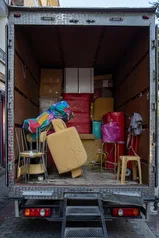
Preparation and Moving, Transportation Services
Practical guide to ensure your move to an ideal new home
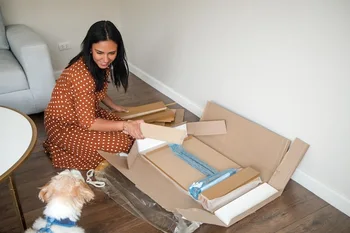
Preparation and Moving, Transportation Services
Practical tips for a move that protects your new investment

Preparation and Moving, Transportation Services
Discover how music can make your move easier

Preparation and Moving, Transportation Services
How to make an effective transition when moving to your new home
Most viewed in Preparation and Moving
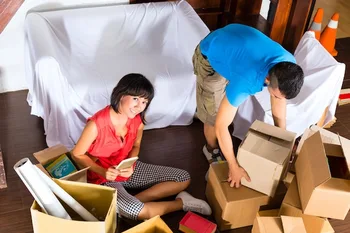
Preparation and Moving, Moving
Tips for a successful move to your new home in Costa Rica

Preparation and Moving, Moving
Keys to ensure that your new home is a safe investment
Preparation and Moving, Transportation Services
Practical guide to ensure your move to an ideal new home
Preparation and Moving, Transportation Services
Practical tips for a move that protects your new investment