
Strategies to ensure a smooth transition to your new home
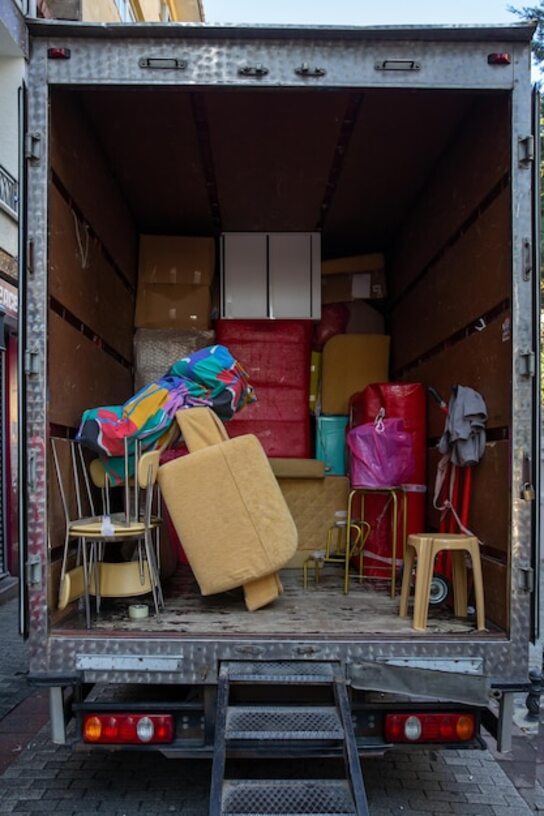
Are you ready to take the big step to your new home? Moving can be an exciting experience, but it can also cause stress if not planned properly. In this article, you will discover effective strategies that will help you ensure a smooth and efficient transition, maximizing the use of transportation services. With these practical tips, you will be able to enjoy every moment of this new stage without complications. Let's make your move a success!
Advance planning: the key to a smooth move
Advance planning is essential to ensure a smooth move. Start by establishing a timeline that allows you to organize each stage of the process with enough time. This includes selecting the moving date, hiring transportation services, and preparing your belongings. By taking the time to create a detailed task list, you can address every aspect of the move with greater clarity and reduce the risk of forgetting essential items. Furthermore, having a well-structured plan will give you peace of mind and facilitate coordination among family members or housemates.
Another key aspect of planning ahead is dematerialization. Before packing, take some time to review your belongings and decide which items you really need to take with you to your new home. Getting rid of unnecessary objects not only lightens the load during the move but can also make your new space feel more welcoming from the start. Consider donating or selling those items in good condition that you no longer use; this will not only help simplify your move but also allow you to start this new chapter with a refreshing feeling and less clutter in your everyday life.
Advertisements
Choosing the right transportation service for your needs
Selecting the right transportation service is crucial to ensure that your move goes smoothly. Before making a decision, assess the quantity and type of belongings you need to transport. If you have bulky or delicate items, such as large furniture or appliances, consider hiring a professional moving company that offers specialized services for handling these objects. Researching different options will allow you to compare prices and services, as well as read reviews from other customers to ensure you choose a reliable service that meets your specific needs.
Also, do not forget to consider the logistics of the move. Make sure that the selected company has experience in your area and is familiar with local regulations regarding parking and access to buildings. It is also advisable to inquire about insurance and coverage to protect your belongings during transportation. Remember to communicate clearly with the chosen service about any special requirements or restrictions that may exist in your new home, which can further facilitate the process and help you avoid unpleasant surprises on moving day.
Organization and labeling: simplifying the loading and unloading process
Organization and labeling are fundamental steps to facilitate the loading and unloading process during a move. When preparing your boxes, it is advisable to use a clear and consistent labeling system. You can assign colors to different rooms or use labels with keywords indicating the contents of each box. This will not only help you but also the movers, allowing each box to be placed in the correct room from the start. In this way, you will arrive at your new home and be able to establish a sense of order from the very beginning.
Additionally, by organizing your belongings into categories before packing, you can further simplify this process. Grouping similar items—such as books, clothing, or kitchen utensils—will not only make loading the transport vehicle easier but also make unloading at your new home more efficient. Consider creating a digital or physical inventory of your boxes; this can be helpful for tracking what you have and where each item is located. With a methodical approach to organization and labeling, you will transform what could be chaos into a smooth and well-structured experience.
Strategies to minimize costs in your move
To minimize costs in your move, it is essential to conduct careful planning from the beginning. Start by making a detailed inventory of your belongings and decide which items you really need to take with you. This stage will not only help you reduce the amount of things you will move, but it will also allow you to get rid of unnecessary objects, whether by selling them, donating them, or recycling. The less you carry, the lower the cost of transportation and packing materials will be.
Another effective strategy is to compare prices between different moving companies. Not all companies offer the same rates; some may have promotions or special packages that fit your needs. Additionally, consider the possibility of moving on less busy days, such as during the week or throughout the month, to obtain more economical rates. Finally, if you have friends and family willing to help, you could save considerably by opting for a more collaborative approach instead of hiring professional services for every aspect of the process.
How to coordinate dates and times with your transportation company
Coordinating dates and times with your moving company is a crucial step to ensure a smooth relocation. It is essential to contact the company as soon as possible, making sure they understand your specific needs. When setting a date for the move, consider factors such as the time you will need to pack and prepare your new home. Additionally, think about whether you need specialized loading or unloading services, as this can affect the availability of schedules. Keeping an open line of communication will allow you to resolve any questions or adjustments that arise during the process.
Once you have defined the tentative dates, it is important to confirm the specific times with the transportation company. Be sure to ask about their availability on peak days and hours, as well as any potential additional costs for last-minute changes. It is also advisable to follow up closely to the scheduled date to ensure that everything is still on track. Having an alternative plan can be helpful in case of unforeseen events, allowing you to adapt quickly and minimize any additional stress on moving day.
Special care for fragile items during the move
When preparing to move, fragile items are undoubtedly one of the main concerns. From delicate dishware to works of art and sentimental keepsakes, each of these items requires special attention to ensure they arrive at your new home without a scratch. To start, it is essential to use appropriate packing materials. Choose sturdy boxes and make sure to wrap each item in bubble wrap or kraft paper before placing them in the box. Don't skimp on materials; the additional cost may be insignificant compared to the sentimental or economic value of your belongings.
In addition to appropriate packing, it is vital to label each box containing fragile items. A clear label will not only help you quickly identify the contents upon arriving at your new home, but it will also serve as a warning for those assisting with the move. If you have particularly valuable or fragile items, consider transporting them yourself in your personal vehicle instead of sending them with the other belongings. This way, you can ensure they are handled with the necessary care throughout the journey. With these preventive measures, you can significantly reduce the risk of damage and fully enjoy your new adventure without worries about your most cherished treasures.
Creating a detailed inventory before the move
Before starting the moving process, it is essential to create a detailed inventory of all your items and belongings. This list will not only help you keep track of what you own, but it will also facilitate organization during the move. By categorizing your items—such as furniture, appliances, clothing, and personal items—you will be able to identify which items are essential and which can be donated or sold. This way, you will reduce the number of things to transport, simplifying the process and lowering costs in transportation services.
Additionally, keeping a detailed inventory will allow you to ensure that nothing gets lost along the way. You can use digital tools or simply a notebook to record each item along with its condition and estimated value. When you arrive at your new home, it will be much easier to verify if everything has arrived in optimal condition. Also, consider taking photos of the most valuable items as an additional form of documentation. A well-prepared inventory not only contributes to a smooth move but also provides peace of mind during this exciting change in your life.
The importance of communication with transportation professionals
Effective communication with transportation professionals is crucial to ensure that your move goes smoothly. From the moment you contact the moving company, it is essential to establish a clear dialogue about your expectations, needs, and any specific requirements you may have. This includes details such as the moving date, the type and amount of furniture and belongings being moved, as well as the conditions of the origin and destination locations. By providing all this information from the start, you will not only make the transportation team's job easier but also reduce the likelihood of unpleasant surprises during the process.
Additionally, keeping an open line of communication throughout the process will allow you to address any issues that arise in real time. If there are changes to your schedule or if you need to adjust logistical aspects, informing the professionals as soon as possible will help find quick and effective solutions. It is also advisable to ask about safety protocols and insurance policies; this will give you peace of mind knowing that your belongings are protected. Ultimately, good communication not only optimizes the efficiency of the transportation service but also contributes to a more positive and less stressful experience in your transition to a new home.
Post-Move Tips: Settling into Your New Home
Once you have completed the move and are in your new home, it is essential to take some time to settle in and adapt to the new environment. Start by unpacking in an organized manner, prioritizing the most used areas like the kitchen and the bedroom. This will not only make your day-to-day life easier but will also help you feel more comfortable quickly. As you unpack boxes, take the opportunity to reorganize the spaces according to your needs and preferences, creating an environment that reflects your personal style.
In addition to unpacking, take time to explore your new community. Familiarize yourself with local services, such as supermarkets, pharmacies, and nearby parks; this will not only help you integrate better into the neighborhood, but it will also make you feel more connected to your new home. Consider introducing yourself to your neighbors or participating in community activities; these interactions can help facilitate new friendships and make you feel part of the place. Remember, settling in is a gradual process; allow yourself to enjoy each moment while building memories in this new chapter of your life.
Advertisements
More in Transportation Services
Preparation and Moving, Transportation Services
Practical guide to ensure your move to an ideal new home
Preparation and Moving, Transportation Services
Practical tips for a move that protects your new investment

Preparation and Moving, Transportation Services
Discover how music can make your move easier

Preparation and Moving, Transportation Services
How to make an effective transition when moving to your new home
Most viewed in Preparation and Moving

Preparation and Moving, Moving
Tips for a successful move to your new home in Costa Rica

Preparation and Moving, Moving
Keys to ensure that your new home is a safe investment
Preparation and Moving, Transportation Services
Practical guide to ensure your move to an ideal new home
Preparation and Moving, Transportation Services
Practical tips for a move that protects your new investment