
Tips for ensuring a move that meets your expectations
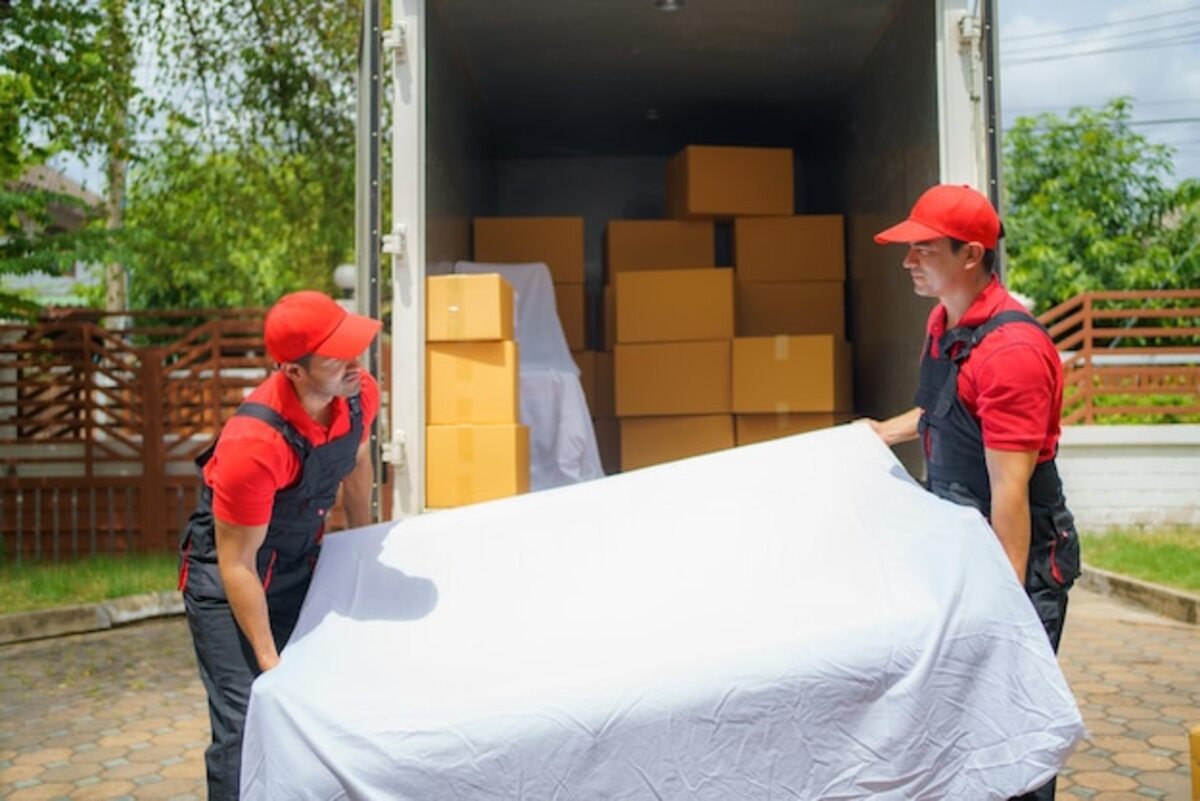
Are you about to move and want everything to go as planned? A move can be a stressful process, but with the right strategy, you can ensure that every detail meets your expectations. In this article, we provide helpful tips for choosing the best transportation services and ensuring that your experience is smooth and hassle-free. Get ready to transform your move into an organized and satisfying process.
Assess your transportation needs: What type of service do you need?
When starting the moving process, it is essential to assess your transportation needs to ensure that the service you choose meets your specific requirements. Ask yourself what volume of belongings you need to move and if there are fragile or valuable items that require special handling. If you only have a few pieces of furniture and boxes, a small van may be sufficient. However, if you are moving an entire home, consider the option of a larger truck or even hiring a professional service that offers packing and loading. Understanding your particular situation will help you avoid unnecessary expenses and ensure that the transportation is suitable for your needs.
Also, consider the distance between your old and new residence, as well as the time available for the move. If you are relocating to a distant city, it may be advisable to choose a company specialized in long-distance transportation. On the other hand, if the move is local, you can opt for more economical services or even consider doing it yourself with friends or family. Do not underestimate the importance of planning this aspect well; a clear assessment of your needs will not only facilitate the choice of the right service but also help make moving day a much more organized and less stressful experience.
Advertisements
Budget: How to calculate the real cost of your move.
Calculating the actual cost of your move is a crucial step to ensure everything goes as planned. Start by making a detailed list of all the items you want to transport, from large furniture to small appliances. Don't forget to include items like boxes, tape, and packing materials. Once you have your inventory, research the costs associated with different moving companies, as these can vary significantly. Request quotes and compare rates, also considering additional services such as loading and unloading or temporary storage if necessary.
In addition to the cost of the moving service, it is important to consider other expenses that may arise during the process. For example, if you live in a building without an elevator or on a narrow street where a smaller truck is required, you could incur additional fees. You should also consider unforeseen expenses such as damage to your belongings or the need to rent vehicles to transport personal items separately. Keep these factors in mind when setting your final budget and be sure to include a margin for contingencies, which will help you avoid unpleasant surprises and ensure that your move aligns with your financial expectations.
Research transportation companies: Tips for selecting the best option.
When choosing a transportation company for your move, it is essential to conduct thorough research. Start by asking for recommendations from friends and family who have had recent experiences with different companies. You can also check online reviews and evaluation platforms that provide an objective view of the service quality, punctuality, and customer care. Don't hesitate to verify each company's credentials, such as licenses and insurance, to ensure they operate legally and are committed to the safety of your belongings. Once you have gathered information about several options, the next step is to compare prices and services offered. Request detailed quotes that include all potential costs, from packing to final transportation. When discussing with the companies, ask them about their experience with moves similar to yours and the measures they take to protect your valuable items. Also consider whether they offer additional services, such as temporary storage or assistance with furniture assembly in your new home, which can further ease your transition. Remember that the cheapest option is not always the best; finding a balance between cost and quality is key to ensuring a successful move.
Advance planning: The key to a successful move.
Advance planning is essential for a successful move and can make the difference between a chaotic experience and a smooth process. Start by establishing a timeline that includes each stage of the moving process, from selecting the moving company to packing and setting up in your new home. By assigning specific times for each task, you will not only reduce stress but also have a clear view of what remains to be done. This will allow you to tackle each activity calmly and ensure that no important detail is overlooked.
It is also crucial to conduct a detailed inventory of your belongings before you start packing. Sort items according to their importance and decide what you will take with you, what you will donate or sell, and what you will discard. This assessment will not only facilitate the packing process but also help you minimize transportation costs by reducing the number of things you need to move. Effective advance planning also includes researching your new neighborhood, nearby services, and any administrative requirements you need to address upon arriving at your new home. With a well-crafted strategy, you can enjoy the moving process instead of viewing it as a heavy burden.
Efficient packing: Techniques to protect your belongings.
Packing efficiently is essential to protect your belongings during a move. Start by sorting your items into categories, such as fragile, electronics, and household items. Use boxes of different sizes and make sure they are in good condition; reinforced boxes are ideal for heavy items. Don't forget to use packing materials like bubble wrap, kraft paper, or blankets, as these will help cushion the blows and prevent damage. It is also advisable to fill any empty space inside the boxes with additional material to prevent items from shifting during transport.
Additionally, labeling each box with its contents and the room it belongs to will facilitate the unpacking process in your new home. Consider creating a detailed inventory to keep track of your most valuable belongings. When packing delicate items, such as dishes or glassware, make sure to wrap each piece individually and place them upright inside the box. These techniques will not only help keep your belongings safe but will also make your move much more organized and less stressful.
Clear communication with carriers: Avoid misunderstandings.
Clear communication with the carriers is essential to avoid misunderstandings that could complicate your move. From the first contact, make sure to express your needs and expectations clearly. This includes details such as the date and time of the move, the volume of items to be transported, and any special requirements, such as handling fragile or heavy items. By establishing an open and honest dialogue, you can minimize unpleasant surprises and ensure everyone is on the same page.
It is also advisable to document all information shared with the carriers. A written contract outlining the agreed services can serve as a useful reference in case of discrepancies. Do not hesitate to ask questions if there is something you do not understand or if you need more clarity on any aspect of the service. Remember that good communication is not just about conveying information; it also involves listening carefully to the recommendations and concerns of the team handling your move. This way, you will be better prepared to face any unforeseen events that may arise during the process.
Final review: Make sure everything is in order before the move.
The final review before a move is a crucial step that many people tend to overlook in the whirlwind of preparations. This moment gives you the opportunity to ensure that everything is in order and ready for the big day. Start by reviewing each room, making sure that all your items are packed correctly and labeled. Also, check for any items that may have been left behind, such as important documents or sentimental items you don’t want to forget. This thorough review will not only help you avoid setbacks on moving day but will also allow you to have peace of mind knowing that everything is under control.
Additionally, it is advisable to make a final checklist before the move. Write down each completed task and each packed box to facilitate tracking. Also, consider contacting the moving company to confirm service details: schedules, address, and any special requirements you may have discussed previously. Clear communication can prevent misunderstandings and ensure that your experience is as smooth as you expect. By taking the time for this final review, you will be better prepared to face any unforeseen events and will be able to fully enjoy the exciting transition to your new home.
Advertisements
More in Transportation Services
Preparation and Moving, Transportation Services
Practical guide to ensure your move to an ideal new home

Preparation and Moving, Transportation Services
Practical tips for a move that protects your new investment

Preparation and Moving, Transportation Services
Discover how music can make your move easier

Preparation and Moving, Transportation Services
How to make an effective transition when moving to your new home
Most viewed in Preparation and Moving

Preparation and Moving, Moving
Tips for a successful move to your new home in Costa Rica

Preparation and Moving, Moving
Keys to ensure that your new home is a safe investment
Preparation and Moving, Transportation Services
Practical guide to ensure your move to an ideal new home
Preparation and Moving, Transportation Services
Practical tips for a move that protects your new investment