


What renting a house in La Fortuna, San Carlos, is like
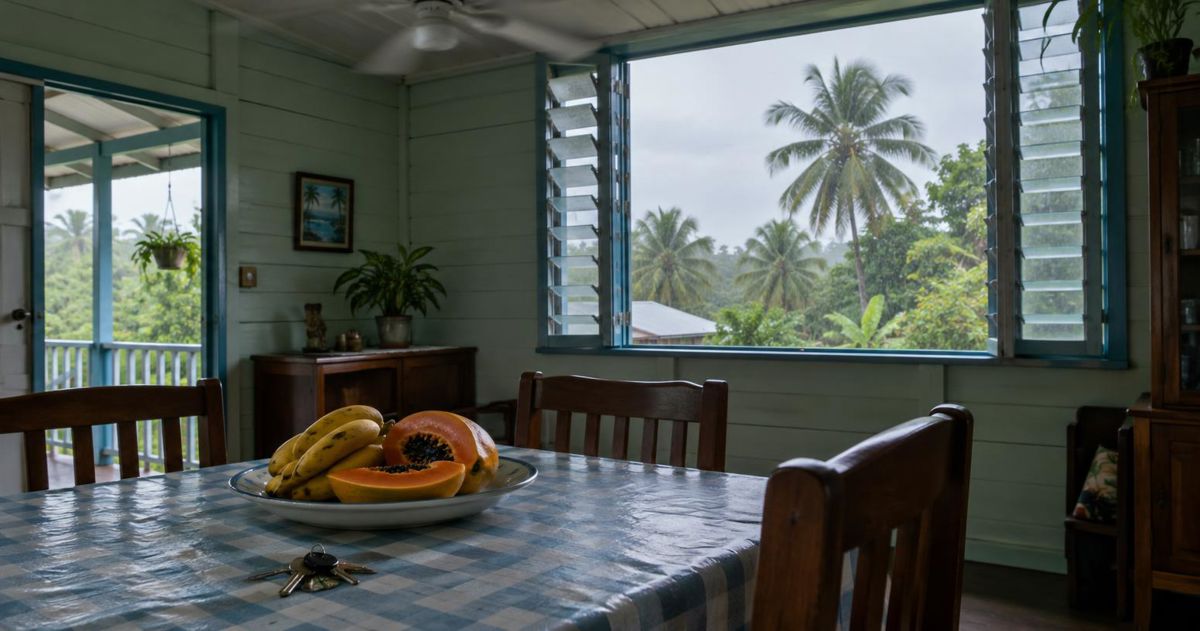
Renting a house in La Fortuna, San Carlos, in the province of Alajuela, means looking for a home in a town that lives off tourism around the Arenal volcano. This guide is for people moving to the area for work, study or family who want a rental to live in, not a few nights of vacation: which areas to compare, how to read asking prices, which lease to ask for and what to check in the house before signing.
What renting a house in La Fortuna is like and what owners ask
La Fortuna is a district of San Carlos, in the northern zone of Alajuela, whose businesses revolve around the Arenal volcano, the hot springs and tours. That shapes the rental market: many houses were built or fitted out to host tourists by the night or the week, and a smaller share is offered to live in year-round. People who arrive to work at a hotel, a shop or a school compete for those long-term houses with other local workers, and many are rented by word of mouth before they ever reach a listing.
The amounts shown in the area's listings are asking prices, not what is finally signed, and they should be read that way. To place those amounts against the rest of the country, compare them with the homes for rent in Costa Rica and with the guide on how much it costs to rent a house in Costa Rica, which explains what rent usually includes and what is paid separately.
In La Fortuna the amount varies a lot with three things: whether the house comes furnished, how close it is to the town center and whether it is advertised with foreigners in mind, in which case it is usually listed in dollars. An unfurnished house in a residential neighborhood, listed in colones, is usually the option for people who live and work in the area. The prudent approach is to compare uses before amounts: a house meant for tourists and one meant for families do not compete in the same market, even on the same street.
Advertisements
Which parts of La Fortuna and its surroundings are worth comparing
La Fortuna does not end at the town center. The district and the neighboring villages offer rentals with different profiles, and the decision depends on where you work, whether you have a car and how much being close to shops matters to you. These are the areas worth setting side by side:
- Downtown La Fortuna: close to supermarkets, banks, the school and bus stops; it is where homes to live in compete most with tourist rentals.
- The road toward the volcano and El Castillo: views of Arenal and larger plots, but much of the supply targets tourism and public transport is scarcer.
- El Tanque and Z-Trece: more agricultural villages east of the center, with houses of families who live in the area year-round.
- Chachagua and the road toward San Ramón: quieter and surrounded by pastures and forest, in exchange for a longer trip to the center.
- Ciudad Quesada: the seat of the canton, with more services and more housing supply, useful if you work there or if your job in La Fortuna allows you to commute.
Our recommendation is to visit each option twice: once on a weekday, at the time you would leave for work, and once on a weekend, when tourist traffic picks up. On roads outside the center, also check the condition of the street in the rain, because a gravel stretch that looks fine today can become difficult in the wettest months and lengthen every trip to work, to school or to the supermarket.
Why tourism changes the lease you should ask for
Tourism shrinks the supply of houses to live in on a stable basis: for many owners, renting by the night or the week in high season pays more than signing with a family. That is why it is common to find houses offered by the season, for a few months, with the idea of taking them back when bookings rise. For you, that means the risk of moving again soon and, above all, different legal protection depending on the type of lease you sign.
Article 7 of the Ley General de Arrendamientos Urbanos y Suburbanos (Law 7527) excludes from that law hotels, guesthouses and similar establishments, as well as tourist homes let by the season in areas that the ICT declares suitable for tourism through a resolution published in the official gazette. In addition, as read by the ICT legal office in opinion AL-A-0173-2024 on articles 2 and 3 of the framework law on non-traditional lodging (Law 9742), when a tourist rental for periods of between 24 hours and 1 year falls within that law, the parties' rights and obligations are those of Law 9742 and not those of Law 7527.
A residential lease does fall under Law 7527, and that gives you stability. Under Article 70 of that law, a lease cannot last less than 3 years: if it sets a shorter term or none at all, it is deemed agreed for 3 years from the day you receive the house. Article 71 of Law 7527 provides that if the landlord does not notify you, at least 3 months before the term ends, that the lease will not be renewed, it is extended for another 3 years on the same terms. And under Article 72 of the same law, unless otherwise agreed in writing, you may end it by giving 3 months' notice, without changing your other obligations.
- Ask the owner, before visiting, whether the house is offered as a permanent home or for tourist use.
- Ask for the document to be titled a residential lease and to state that the house is for living in.
- Review the clauses with the guide on what a rental agreement in Costa Rica must say and what is void.
- If you are offered a tourist or seasonal contract to live in the house year-round, consult a lawyer before signing.
Furnished or unfurnished: what to check in the inventory
Furnished houses are plentiful in La Fortuna, partly because many were prepared for tourists. A furnished house saves you from buying furniture and appliances, which is useful if you come for a job and do not know how long you will stay; an unfurnished one is usually easier to find in residential neighborhoods and lets you decide what to bring. Either way, the inventory is what prevents disputes at the end: the signed list of what is in the house and the condition in which you receive it.
The inventory matters because the deposit answers for more than the rent. Under Article 59 of Law 7527, any guarantee attached to a lease, whatever its nature, answers for the rent and for every other obligation arising from the law or the contract, unless expressly agreed otherwise. An inventory with dated photos and both parties' signatures is the best basis for discussing what was fulfilled when the house is returned.
| Item | What to check | How to record it |
|---|---|---|
| Furniture | Condition, stains and loose parts | Photo of each piece and a note on the list |
| Appliances | That they switch on and work: fridge, stove, washer | Description and condition of each |
| Mattresses and bedding | Damp, smell and stains | Photo and note |
| Walls and floors | Damp stains, cracks and broken tiles | Photo of each room |
| Keys and remotes | How many copies you receive and for which doors | Number of copies on the list |
| Meters | Water and electricity readings on move-in | Photo of each meter |
What to check in the house because of rain and damp
The northern zone is rainy and humid for much of the year, and La Fortuna is no exception: the climate tests roofs, gutters and walls. A house that looks spotless on a sunny visit can show leaks or mold after a downpour. If you can, visit it after heavy rain or ask to come back on a rainy afternoon; it is the most honest test available to you. These are the points worth checking:
- Roof and ceiling: stains, rings or warped roofing sheets that point to leaks.
- Gutters and downspouts: clean, complete and draining away from the walls.
- Lot drainage: puddles in the yard, water running toward the house or blocked ditches on the street.
- Walls and closets: a musty smell, mold behind furniture and paint peeling near the floor.
- Doors and windows: that they close well, are not swollen and have mosquito screens.
- Rivers and streams: ask the neighbors whether water has overflowed near the house in past seasons.
The prudent approach is to record any stain or damage you find in the inventory, with a photo, and to agree in writing who handles each repair before moving in. A dehumidifier or good ventilation helps with clothes and furniture, but it does not fix a leak: that conversation happens before signing, not after the first heavy rain.
Which services to check near the house
Outside the center, services change from one street to the next. Before committing, confirm how water reaches the house, what internet is really available there and how much you depend on a car for the basics. These questions organize the visit and avoid surprises in the first month:
| Service | What to ask | Why it matters |
|---|---|---|
| Water | Who supplies it, whether there is a tank and whether outages are frequent | Some communities rely on an ASADA and outages vary by area |
| Internet | Which providers reach the exact address and whether there is fiber | Key if you work from home; test the signal during the visit |
| Electricity | Who bills the service and whether the house has its own meter | Avoids bills shared with another home |
| Transport | Where the bus stops and how often it runs | Service is scarcer outside the center |
| Shops and health | Nearby supermarket, pharmacy, EBAIS clinic and school | Determines how much you will use the car each week |
| Garbage | Which days collection runs | In outlying areas it may not pass in front of the house |
Also ask who pays for each service and whether any is included in the rent, which is common in furnished houses that used to be rented to tourists. Get it in writing in the lease: a service included by word of mouth is easy to dispute later, and in a house far from the center, water, electricity and internet weigh as much in the decision as the rent itself.
What we would do before renting in La Fortuna
- Define the use first: look only at houses offered as permanent homes and rule out seasonal ones if you plan to stay.
- Review the cheap homes for rent in Costa Rica to see what is available for less, without losing sight of the roof and drainage.
- Visit the house after rain, with this guide's inventory table and services list at hand.
- If you plan to stay many years, compare the rent with home prices in Costa Rica and with the homes for sale in Costa Rica before deciding.
- Consult a lawyer if you are offered a tourist or seasonal contract to live in the house year-round.
Frequently asked questions
Can I leave before the lease ends?
In a residential lease, as explained above, Article 72 of Law 7527 allows the tenant to end it with 3 months' notice, unless otherwise agreed in writing, without changing the other obligations the lease created. If your lease says something different about leaving, review it with a lawyer before deciding.
Does the deposit only cover the rent?
Under Article 59 of Law 7527, the guarantees of a lease answer for the rent and for the other obligations arising from the law or the contract, unless expressly agreed otherwise. That is why the move-in inventory should be detailed, with photos and both parties' signatures. If you have doubts about the deposit in your case, raise them with a lawyer or a notary.
Can a house advertised for tourists be rented to live in?
You can discuss it with the owner, but what matters is the lease you sign. As this guide explains, tourist homes let by the season in areas the ICT declares suitable fall outside Law 7527, and according to the ICT's legal office, tourist rentals that fall within Law 9742 are governed by that law. If the house is for living in, ask for a residential lease; if in doubt about which law applies to your case, consult a lawyer.
Is a furnished house worth it if my job in the area is temporary?
It can be, because it saves you from buying and moving furniture and appliances. In exchange, the inventory is longer and every item you receive is in your care. Compare several listings of furnished and unfurnished houses in the same area, check the real condition of each piece and record everything with photos before signing, so the final handover is simple.
This guide summarizes rental practice for homes in La Fortuna, San Carlos, and in Costa Rica as of November 2026, and cites only the legal articles named in the text. It does not replace the advice of a lawyer or a notary: for a specific lease, consult one before signing.
Advertisements
More in Types of Rentals
Most viewed in Rental Guides

Rental Guides, Requirements for Renting
How to rent a house in Costa Rica: steps and requirements

Rental Guides, Rental Contracts
Rental deposit: what it covers and how it is agreed
Rental Guides, Rights and Obligations
Tenant rights in Costa Rica: what to know before signing

Rental Guides, Rights and Obligations
Tenant rights regarding repairs not made by the landlord