Pital, San Carlos, Alajuela real estate: investing guide
Overview
Pital, San Carlos, Alajuela real estate means property in the sixth district of the canton of San Carlos, in the province of Alajuela, Costa Rica. The district covers 380.0 km² (146.7 sq mi) and its postal code is 21006.
Based on what is listed for sale, buyers here mostly look at houses and farms. It is a large district with several villages, so the first step is to understand which part of it a property sits in.
What people buy here
Listings in the district point to a few buyer profiles. One is a home to live in, where a house suits someone relocating who wants space and is comfortable with a rural setting. Another is a farm, for those who want land to work, keep for personal use or hold for the long term.
Some buyers purchase a house to rent out later. That is investing, and it works only if you confirm that the property suits a tenant and that local rules allow the use you have in mind. When there are enough listings, this page shows above what is listed by type and typical prices.
Advertisements
Property types
Two property types are listed for sale in the district: houses and farms.
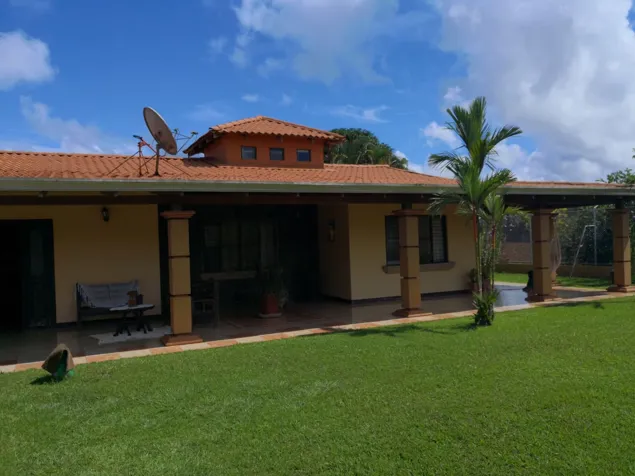
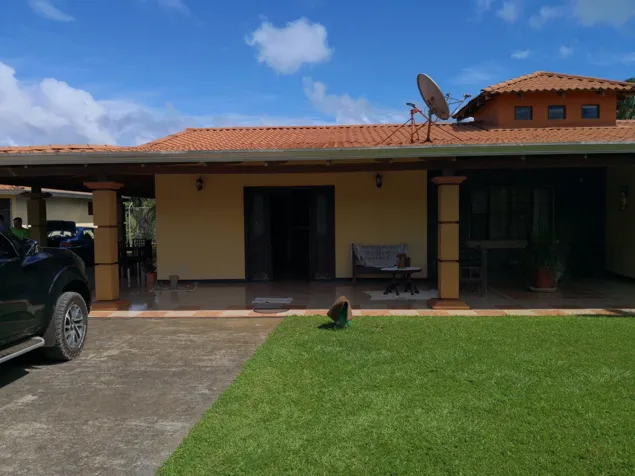
- Houses: check the condition of the roof, walls and electrical system, how the property is reached year-round, the source of its water and any municipal charges.
- Farms: check legal access, the boundaries against the survey plan, water availability, the existing buildings and whether parts of the land are restricted by nearby rivers or springs.
Why buy here
Pital lies in San Carlos, in the north of Costa Rica, and it is not coastal. The canton seat, Quesada, is 34.2 km (21.3 mi) away in a straight line. Downtown San José is 74.3 km (46.2 mi) away in a straight line, and Juan Santamaría International Airport (SJO) is 65.6 km (40.8 mi) away in a straight line.
That makes it a inland rural location with a canton seat within reach and the main international airport in the Central Valley. Without a coastline, the maritime-terrestrial zone rules do not come into play.
What to check before buying
- A title search at the National Registry (Registro Nacional): who owns the property and whether it carries mortgages, liens or annotations.
- A registered survey plan (plano catastrado) that matches the title and what you see on the ground: boundaries, size and access.
- A land-use certificate (uso de suelo) from the Municipalidad de San Carlos and, where one exists, the canton's zoning plan, which says what can be built and for what use.
- Written water availability (AyA or the local ASADA) and electricity before buying to build; building permits come from the local authority.
- Protection areas around springs and rivers (Forestry Law 7575) and whether the land lies inside or next to a protected wildlife area.
- Property tax (Law 7509) and municipal services paid up to date.
Getting around
Pital borders Aguas Zarcas, Venecia and Cutris in San Carlos. To the south and east it also borders Santa Rita and Santa Isabel (canton of Río Cuarto), and La Virgen and Cureña (canton of Sarapiquí).
The official neighbourhoods include Bosque, Comarca and San Cristóbal, and the district has many villages, such as Boca Tapada, Veracruz and Quebrada Grande. Real travel time depends on the hour, the weather and the road, so visit the property by the route you would use every day.
How to buy
A purchase usually starts by comparing several properties and asking for the full documents of each. A local agent can help with that comparison and with the questions to ask the seller.
A Costa Rican notary then handles the transfer by public deed. The transfer tax is set by Law 6999, so ask for the full closing-cost breakdown before you sign. Before investing, have the title search and the survey plan reviewed first. Foreigners can own titled property with the same rights as citizens (Article 19 of the Constitution), with the exceptions the law sets. Agencies and agents with listings in the zone appear further down this same page.