

Nacascolo, Liberia, Guanacaste real estate: investing guide
Overview
Nacascolo, Liberia, Guanacaste real estate is the market for the fourth district of the canton of Liberia, in Guanacaste province, in northwestern Costa Rica. The district covers 327.4 km² (126.4 sq mi) and its postal code is 50104.
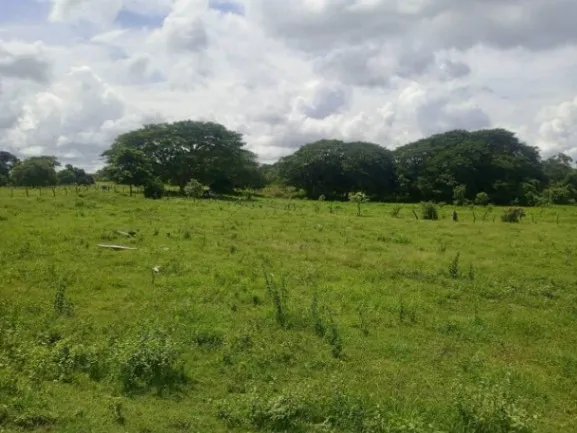
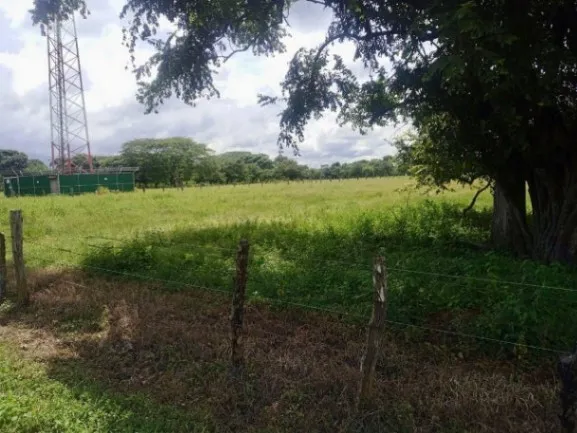
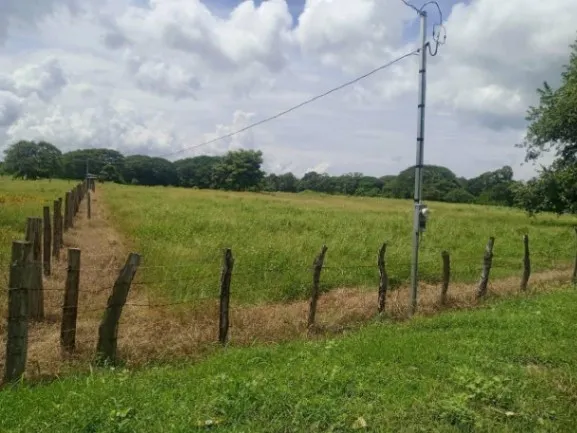
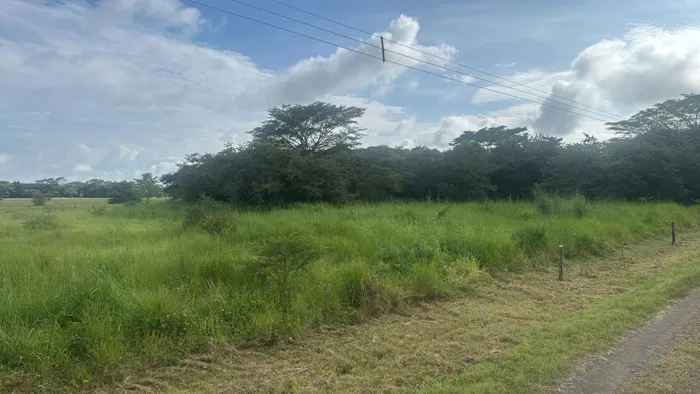
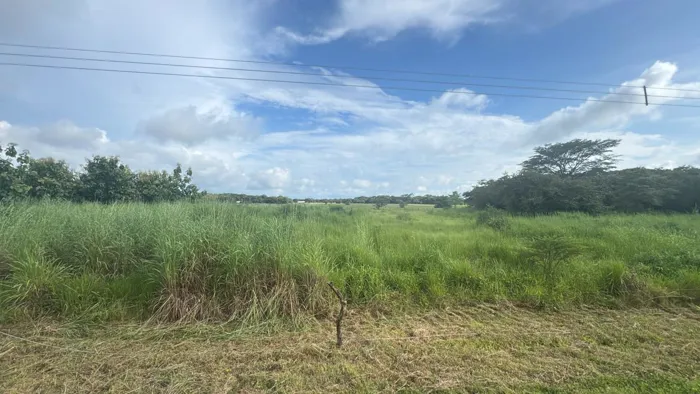
The properties listed for sale here are lots and land and farms, so a purchase usually means land to hold, to build on or to work, not a ready-made home. Buying land is a long-term investment, and the details of each parcel matter more than the district name.
What people buy here
Given what is listed, three buyer profiles fit this district. The first is the buyer who wants to build a home: a lot lets you choose the design and the location, but you handle permits, utilities and construction yourself.
The second is the buyer who wants a farm or larger rural parcel, either to work the land or to keep it as open space. The third is the person who buys land to hold, or to build on later and rent out. That route is investing in a property that does not yet produce income, so it needs patience and a realistic budget. When there are enough listings, this page shows above what is currently for sale and typical prices.
Property types
Two property types are listed for sale in this district.
- Lots and land: check legal access from a public road, the boundaries against the survey plan, the slope and drainage of the ground, and whether water and electricity reach the parcel or must be brought in.
- Farms: look at the size actually titled, the access road in the rainy season, water sources on the land, existing fences or buildings, and any area that cannot be cleared or built on.
In both cases, ask for every document before you talk about price.
Why buy here
Nacascolo is in the province of Guanacaste, in the northwest of Costa Rica, and it is a coastal district. Its seat is the village of Guardia. The canton seat, Liberia, is 22.3 km (13.9 mi) away in a straight line. Daniel Oduber International Airport (LIR) is 15.6 km (9.7 mi) away in a straight line, which matters for owners who will travel from abroad.
Downtown San José is 188.9 km (117.4 mi) away in a straight line. Guanacaste has a marked dry season and a rainy season, so visit in both before you decide on a parcel.
What to check before buying
- Run a title search at the National Registry (Registro Nacional) to see who owns the property and whether it carries mortgages, liens or annotations.
- Get a registered survey plan (plano catastrado) that matches the title and what you see on the ground: boundaries, size and access.
- Request a land-use certificate (uso de suelo) from the Municipalidad de Liberia, and the canton's zoning plan if one exists, to learn what can be built and for what use.
- Get written confirmation of water availability (AyA or the local ASADA) and electricity before buying to build; building permits come from the local authority.
- Because the district is coastal, check whether the land falls inside the maritime-terrestrial zone (Law 6043): the first 50 metres of the 200-metre strip are public and the other 150 are only granted as municipal concessions.
- Confirm that property tax (Law 7509) and municipal services are paid up to date.
Getting around
Nacascolo borders Liberia, Cañas Dulces, Mayorga, Palmira (canton of Carrillo), Sardinal (canton of Carrillo) and Santa Elena (canton of La Cruz). Two of those neighbors belong to other cantons, so a parcel near the edge of the district may be handled by a different local authority; confirm which one covers it.
The official villages include Bejuco, Los Lagos, Nacascolo, Oratorio, Puerto Culebra and Triunfo. Real travel time depends on the hour and the condition of the road, so drive to the parcel at different times and in different seasons before you commit.
How to buy
A purchase usually starts with a local real estate agent who knows the area and can compare asking prices for similar parcels. Agencies and agents with listings in this zone appear further down this same page.
Before signing, have an independent lawyer or notary review the title search, the survey plan and the land-use certificate. The transfer is done by public deed before a Costa Rican notary and pays the transfer tax (Law 6999), so ask for the full closing-cost breakdown first. Foreigners can own titled property with the same rights as citizens (Article 19 of the Constitution), with the exceptions the law sets.