Mansión, Nicoya, Guanacaste real estate: investing guide
Overview
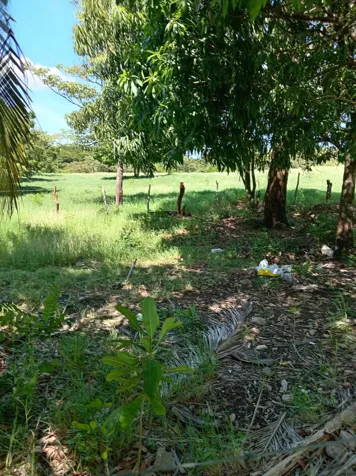
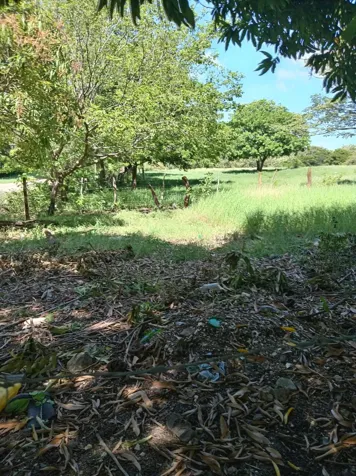
Mansión, Nicoya, Guanacaste real estate is mostly a matter of land. Mansión is the second district of the canton of Nicoya, in Guanacaste province, Costa Rica, with a postal code of 50202 and an area of 212.1 km² (81.9 sq mi). Because the pack lists only lots and land for sale here, buying usually means acquiring a parcel to build a home on, hold for the long term, or develop later. A purchase of this kind is a long-term investment, so understanding the land itself matters more than any building on it.
What people buy here
Since only lots and land are listed, the buyer profiles that fit are the ones built around a parcel rather than a finished house.
- Build your own home: buyers who want to design a house or a retirement base from the ground up.
- Hold the land: buyers who purchase a lot as a long-term investment and decide later what to do with it.
- Build to rent: buyers who plan to put up a property and rent it out, which is a form of investing that depends on permits and access.
When there are enough listings, this page shows above what is listed by type and typical prices, which helps you compare parcels.
Advertisements
Property types
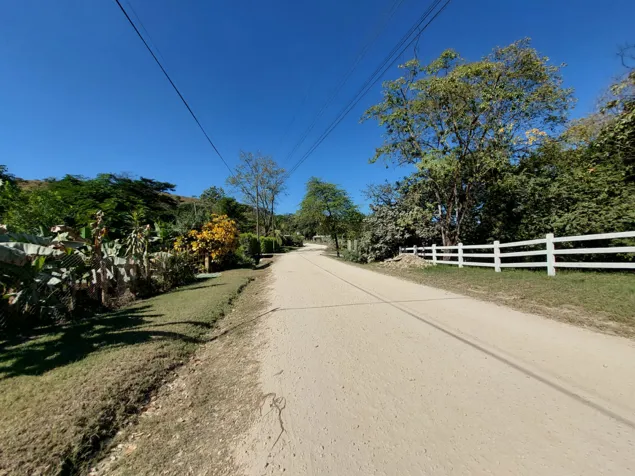
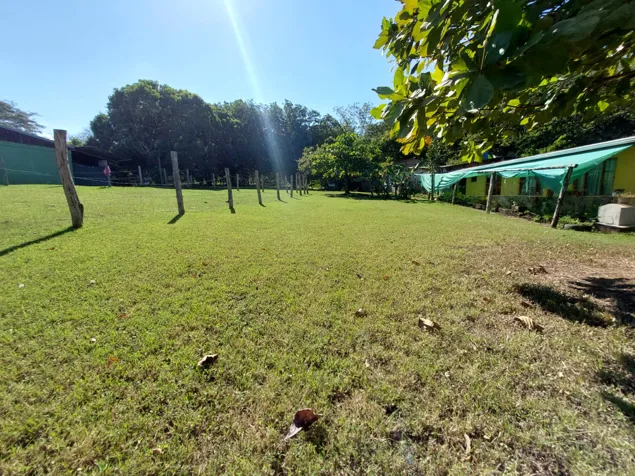
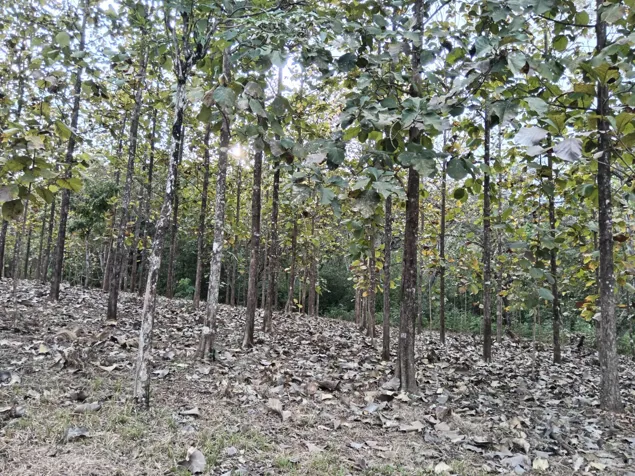
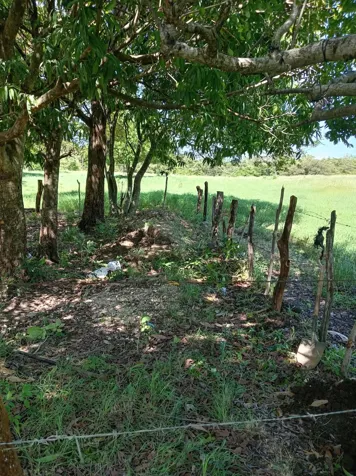
The only type listed for sale in this district is lots and land. Parcels differ a lot, so look at these points on each one:
- Legal access: whether the parcel fronts a public road or depends on an easement over a neighbor's land.
- Terrain: slope, drainage, and whether the flat part is large enough to build on.
- Water and electricity: whether service is already at the boundary or must be brought in, and at whose cost.
- Size and boundaries: whether what you see on the ground matches the documents.
Ask the seller what the land has been used for, since farm use, pasture and untouched land each bring different questions.
Why buy here
Mansión lies in the province of Guanacaste, in the northwest Pacific region of Costa Rica, and the district is coastal. The canton seat, Nicoya, is 20.5 km (12.7 mi) away in a straight line. Downtown San José is 138.1 km (85.8 mi) away in a straight line. The nearest airport in the pack is Daniel Oduber International Airport (LIR), 59.3 km (36.8 mi) away in a straight line.
Guanacaste has a marked dry season and rainy season, which is worth remembering when you visit a lot, because access and vegetation can look very different depending on the month.
What to check before buying
- Run a title search at the National Registry (Registro Nacional) to confirm the owner and whether the property has mortgages, liens or annotations.
- Get a registered survey plan (plano catastrado) that matches the title and the boundaries, size and access you see on site.
- Request a land-use certificate (uso de suelo) from the Municipalidad de Nicoya, plus the zoning plan if one exists, to learn what can be built.
- Obtain written water availability from AyA or the local ASADA, confirm electricity, and remember that building permits come from the local authority.
- Because the district is coastal, check whether the land falls in the maritime-terrestrial zone (Law 6043): the 200-metre strip from the high-tide line, where the first 50 metres are public and the other 150 are only granted as municipal concessions.
- Confirm property tax (Law 7509) and municipal services are paid up to date.
Getting around
Mansión borders several districts. Within the canton of Nicoya these are Nicoya, San Antonio and Quebrada Honda. To the other sides are Santa Rita and San Pablo (canton of Nandayure), and Hojancha, Huacas and Matambú (canton of Hojancha).
The district includes official villages such as Acoyapa, Camarones, Guastomatal, Pueblo Viejo, Río Vueltas and Zapandí. Real travel time between them and to nearby towns depends on the hour and the condition of the road, so drive the route to a lot yourself before buying, ideally in both the dry and rainy seasons.
How to buy
A purchase usually starts with a local agent who knows the district and can show parcels in person. Compare several lots before making an offer, and ask each seller for the title and survey plan early. Then hire a Costa Rican notary, who handles the public deed and the title search.
The transfer is done by public deed and pays the transfer tax (Law 6999), so ask for the full closing-cost breakdown before signing. Foreigners can own titled property in Costa Rica with the same rights as citizens (Article 19 of the Constitution), with the exceptions the law sets. Agencies and agents with listings in the zone appear further down this same page.