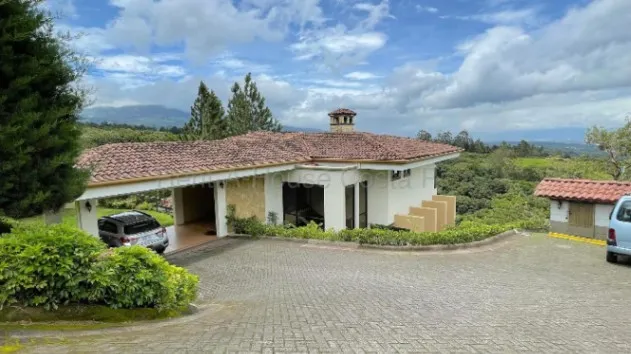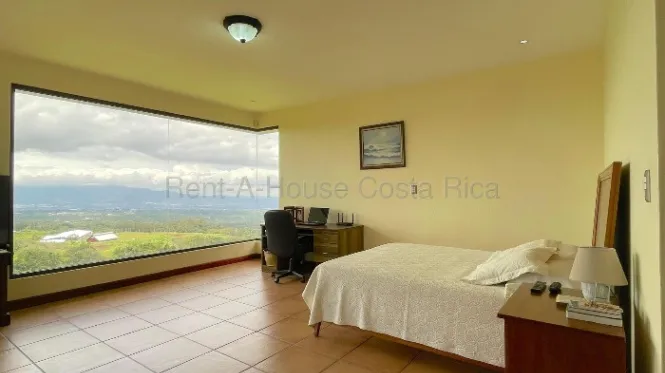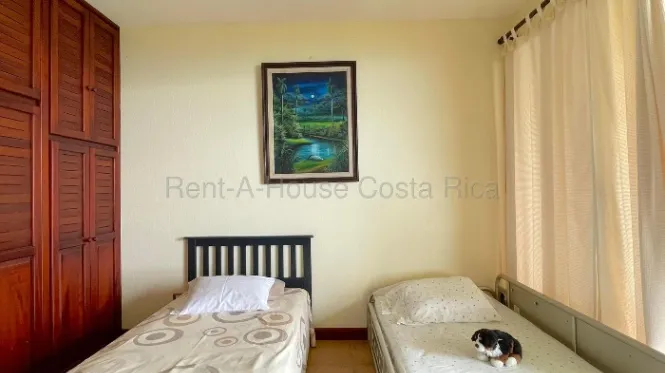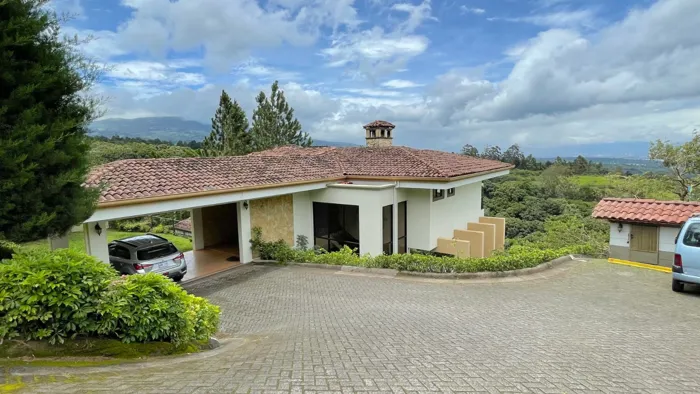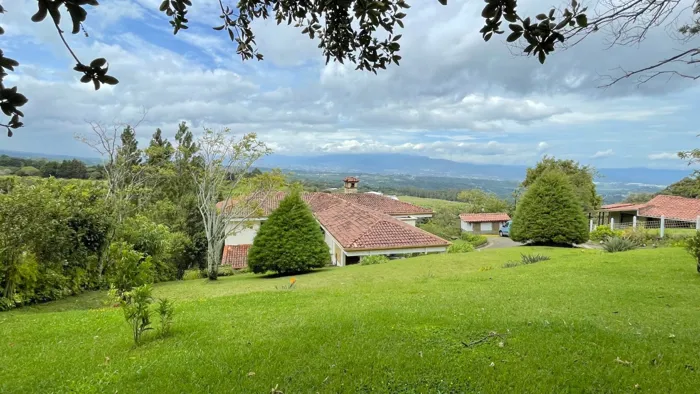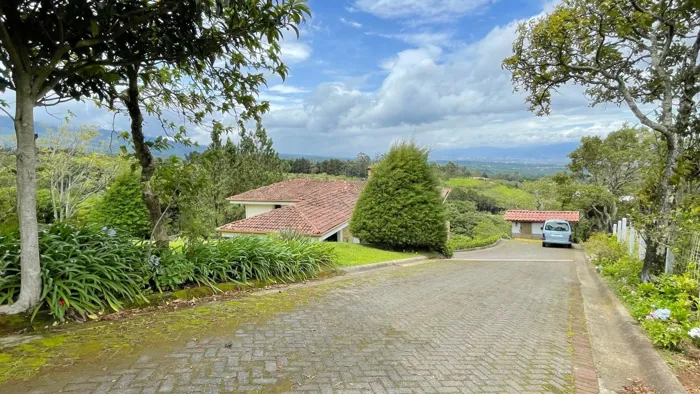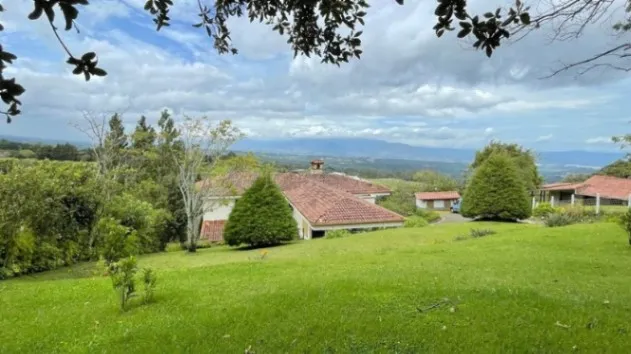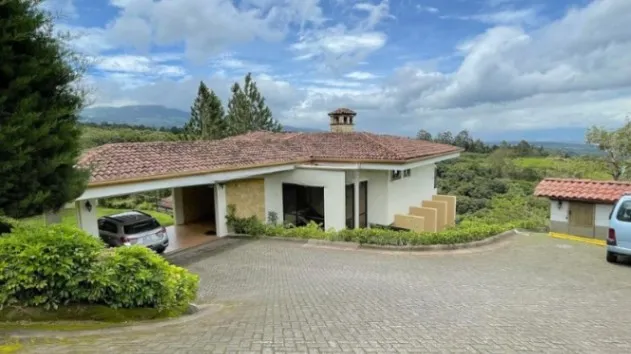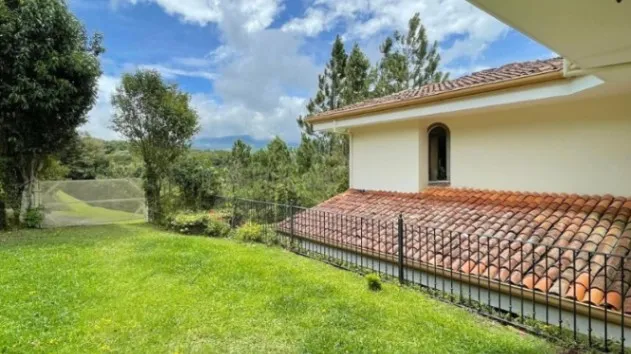


Quality of life
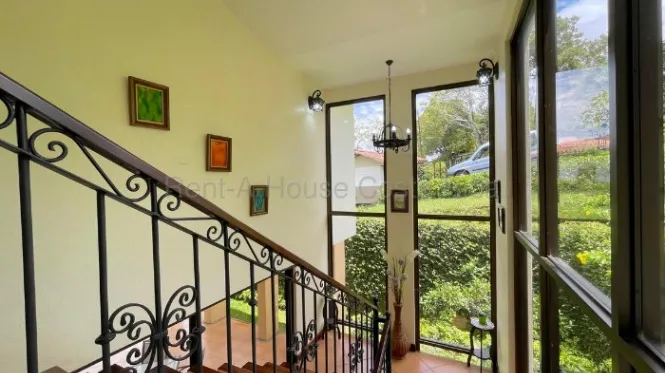
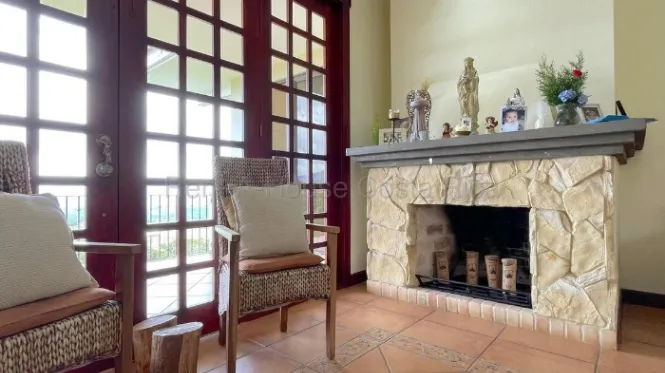
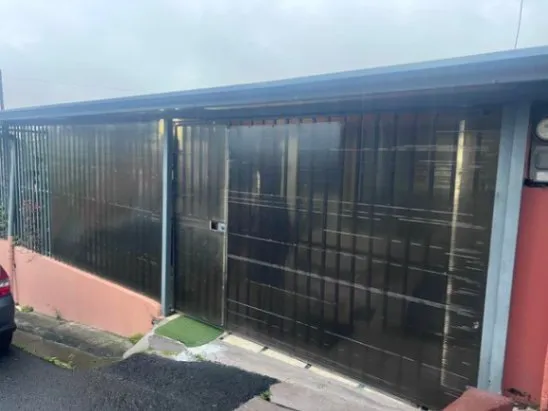
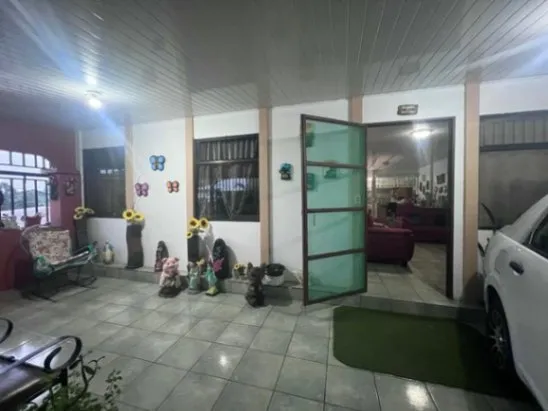
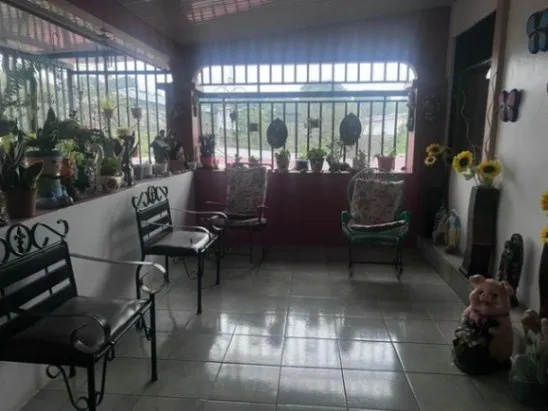
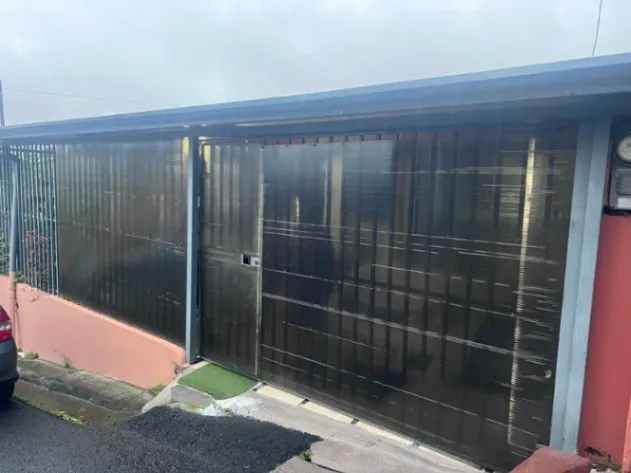
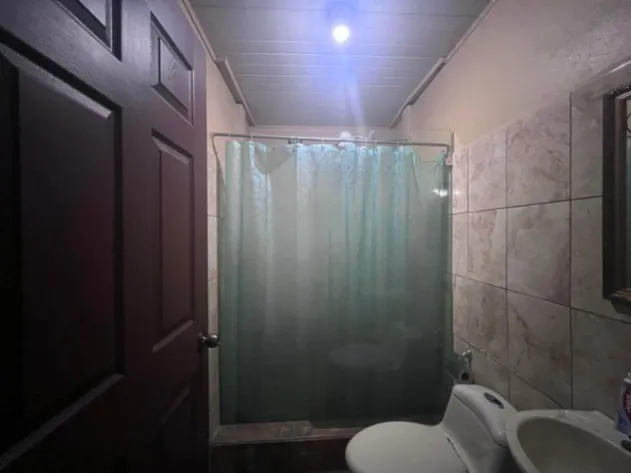
San Juan is the second district of the canton of Poás, in the province of Alajuela. It is an inland district with no coastline, and its seat village is San Juan Sur. It is not the canton seat, which is San Pedro. At this time the pack shows houses listed for sale and nothing listed for rent, so the housing stock seen here is mostly residential.
Before moving, check the practical side of the specific street: how reliable the water supply is, how much road noise there is, whether the access road is paved and passable in the rainy season, and how far you are from shops, clinics and schools you would use every day. These details can differ a lot from one neighborhood to the next.
Cost of living
For most households, housing is the largest cost, whether you buy or rent. In a district like this, with houses as the main listed type, the price of a home usually depends on lot size, construction quality and how easy the access is.
Beyond the purchase price or rent, add to your budget electricity, water, internet and mobile service, plus the cost of daily transport, which matters if you rely on a car or on trips to the canton seat. If you buy, include the annual property tax paid to the municipality, and ask whether the property sits in a condominium with monthly fees. When there are enough listings, this page shows above the typical rent and purchase figures for the zone.
Lifestyle
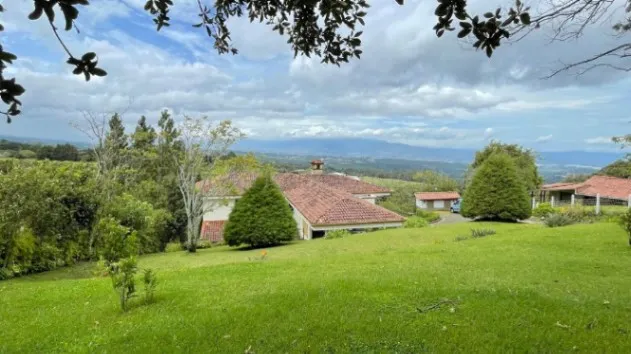
San Juan is a rural to semi-rural district. It has several official villages and a seat village, which suggests daily life spread across smaller communities rather than one dense urban center. Expect to use a car or local buses for many errands.
The canton seat, San Pedro, is the closest place for municipal procedures and larger errands, and its closeness in a straight line means you do not need to go far for them. For wider shopping, health care or work, residents typically look to larger towns in the Central Valley. Visit at different times of day and on weekends to see how the area really functions.
Climate and nature
San Juan is not coastal, so its climate follows the Central Valley and mountain pattern of Costa Rica. The year divides into a dry season, roughly December to April, and a rainy season for the remaining months, with rain usually arriving in the afternoon.
Higher parts of the Central Valley slopes tend to be cooler, wetter and cloudier than the valley floor, while lower sections are drier and warmer. Because the district sits on the slopes of the region, check the specific property for humidity, drainage and exposure to wind and rain before deciding.
Economy and opportunities
The economy of this part of Alajuela province is generally tied to farming, local commerce and services, with many residents also working in the wider metro area. Which jobs are available depends heavily on where you commute to.
Being within reach of San José and the international airport matters for remote workers, people who travel often and anyone commuting to offices or universities in the Central Valley. Those who work locally in agriculture or small business will have a different routine than those who commute every day, so match the location to your work pattern.
Accessibility and location
San Juan is district number 2 of the canton of Poás, in the province of Alajuela. Its postal code is 20802 and its area is 16.4 km² (6.3 sq mi).
It borders Sarapiquí (canton of Alajuela), San Isidro (canton of Grecia), San José (canton of Grecia), San Pedro, San Rafael, Sabana Redonda and Toro Amarillo (canton of Sarchí).
In a straight line, it is 6.3 km (3.9 mi) from the canton seat, San Pedro; 28.5 km (17.7 mi) from downtown San José; and 15.8 km (9.8 mi) from Juan Santamaría International Airport (SJO). Its official villages are Altura, Corazón de Jesús, Guapinol, Mastate, San Juan Norte and Tablones, taken from Costa Rica's official territorial division (Decree 44882-MGP). Real travel time depends on the hour and the road.
History
San Juan, a district of Poás in Alajuela, Costa Rica, has undergone a remarkable transformation since its founding in the 18th century. It started as a small agricultural settlement and has evolved over the years, blending its cultural heritage with sustained urban growth.
Local traditions, such as the festivities in honor of its patron saint, reflect the devotion of its inhabitants and the importance of the community. Today, San Juan is characterized by its tranquil atmosphere and its landscapes.
Tips
Drive the daily commute at different hours, including rush hour and weekends, to judge real traffic and road conditions. Visit the property in both dry and rainy weather if you can.
Ask about water and utilities for the specific property: who supplies the water, whether there is a meter, and how electricity and internet are provided. Request recent bills to see actual costs. If you rent, insist on a written lease under Costa Rica's General Law of Urban and Suburban Leases, Law 7527. To keep track of options, you can save listings in the zone on Anuntico.
In summary
Living in San Juan, Poás, Alajuela, Costa Rica, is an ideal choice for those looking to establish their home or invest. This area is characterized by its beautiful natural surroundings, with spectacular views and a cool climate that promotes a healthy lifestyle. San Juan is a rural, inland district of the canton of Poás, made up of a seat village and several smaller villages. It makes most sense for buyers looking for a house outside the main urban centers who are comfortable relying on a car and traveling to larger towns for some services. Anyone considering it should compare commute, water and access on site before deciding.