Quality of life
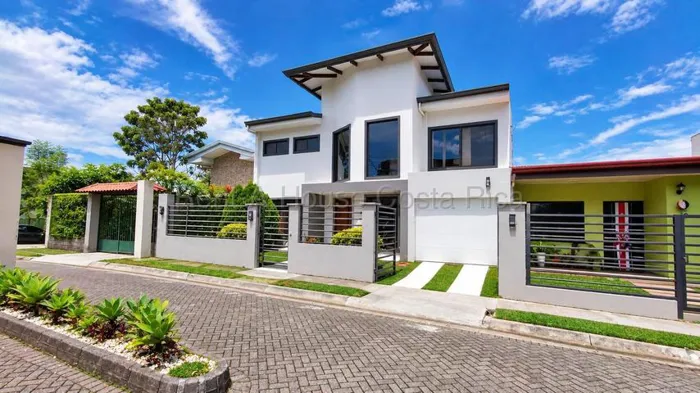
San Pedro is the first district of the canton of Poás and its canton seat, in the province of Alajuela. With an area of a little over a dozen square kilometers, it is a mid-sized inland district, not a coastal one, bordered by districts of three cantons' worth of surroundings. Listings here include houses, lots and land, and farms, so the setting mixes residential and rural use.
Before moving, check the practical side of the specific street or property: how reliable water service is, how much road noise there is, whether the access road is paved and passable in the rainy season, and how close you are to the services you use every week.
Cost of living
Housing is the main cost driver in any Costa Rican district, and it varies with property type, size and access. In a place with houses, lots and farms listed, land and building characteristics can change the price more than the district name does.
Beyond rent or mortgage, add utilities (electricity, water, internet), daily transport costs, and, if you are buying, annual property tax paid to the municipality. Some properties also charge condo or shared-access fees, so ask. When there are enough listings, this page shows above the typical rent and purchase figures for the zone.
Advertisements
Lifestyle
San Pedro is an inland, mostly non-coastal district, and the listing mix of houses, lots and farms points to a lifestyle that combines town life around the canton seat with more rural surroundings. Because the district is itself the seat of Poás, errands involving the municipality and local services are handled within the district rather than in another canton.
Day to day, expect to rely on a car or on local buses for longer trips. If you want a quieter setting, look at the areas farther from the center; if you prefer easy errands, stay closer to it.
Climate and nature
San Pedro is inland, in the central highlands side of Alajuela, so there is no coastal climate here. As in most of the Central Valley and its slopes, the year divides into a dry season (roughly December to April) and a rainy season (roughly May to November).
Higher ground tends to be cooler and wetter than the lower valley floor, with more cloud and mist. Rural lots and farms are common in this kind of terrain, so ask about drainage, slope and soil when you view a property.
Economy and opportunities
The region around Poás has a general economic profile built on farming and agricultural activity, together with local commerce and public services tied to the municipality. Listings of farms and lots in this district fit that profile.
Its position relative to San José and the international airport matters for work and study: commuting to the metropolitan area is possible, but it is a real commute and not a short hop. Remote workers should check internet service at the specific address before committing.
Accessibility and location
San Pedro is district number 1 of the canton of Poás, in the province of Alajuela, and the canton seat. Its postal code is 20801 and its area is 13.6 km² (5.3 sq mi). The local authority is the Municipalidad de Poás.
It borders Sabanilla (canton of Alajuela), San José (canton of Grecia), Tacares (canton of Grecia), San Juan, San Rafael, Carrillos and Sabana Redonda. In a straight line, downtown San José is 24.8 km (15.4 mi) away and Juan Santamaría International Airport (SJO) is 10.1 km (6.3 mi) away.
The official neighbourhoods are Bajo Piedras, Rastro and Santa Cecilia, and the official villages are Cerro, Chilamate, Hilda, Sitio and Zamora, all from Costa Rica's official territorial division (Decree 44882-MGP). Real travel time depends on the hour and the road.
History
San Pedro, in the province of Alajuela, Costa Rica, has grown since its founding in the 19th century and became an important agricultural and commercial center. In the 1950s, the development of infrastructure and services, such as schools and health centers, drove its urban evolution and attracted more residents.
Its culture includes traditions such as the patron saint festivals in honor of San Pedro Apóstol, celebrated every June, and the practice of sustainable agriculture, which are part of its identity.
Tips
Drive the daily commute you would actually make, at different hours, including rush hour and weekends, before deciding. Roads that look short on a map can be slow.
Ask about water and electricity for the specific property: who supplies it, whether service is steady, and request recent bills. If you rent, insist on a written lease under Costa Rica's General Law of Urban and Suburban Leases (Law 7527). On Anuntico you can save listings in the zone to compare them over time.
In summary
Living in San Pedro, Poás, Alajuela, Costa Rica, is an ideal choice for those looking to establish their home or invest, thanks to its privileged natural environment and its temperate climate that promotes a healthy lifestyle. San Pedro is the seat of the canton of Poás, an inland district where town services and rural land sit side by side. It suits buyers and renters who want a base in the western Central Valley with access to the airport and the capital, and who are comfortable with a car-dependent routine. Check water, access and commute for each property.