

Quality of life
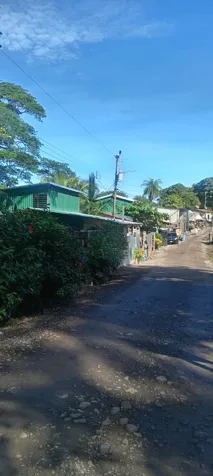
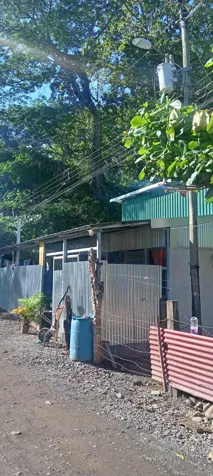
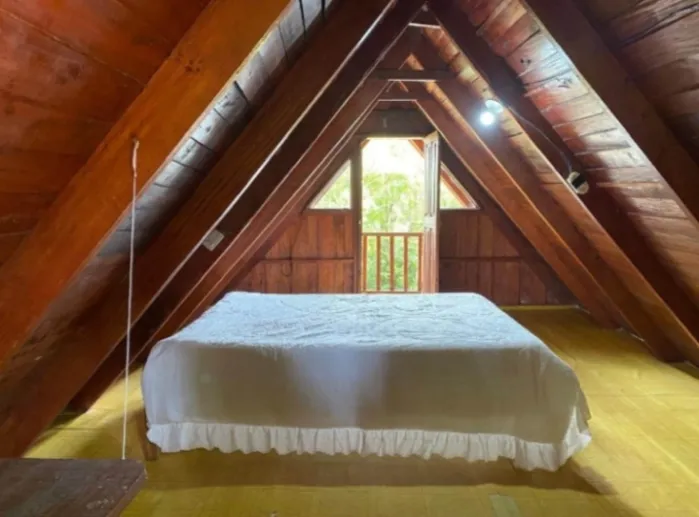
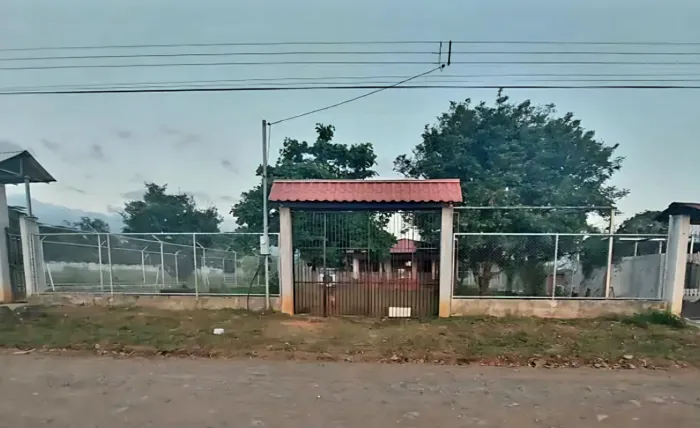
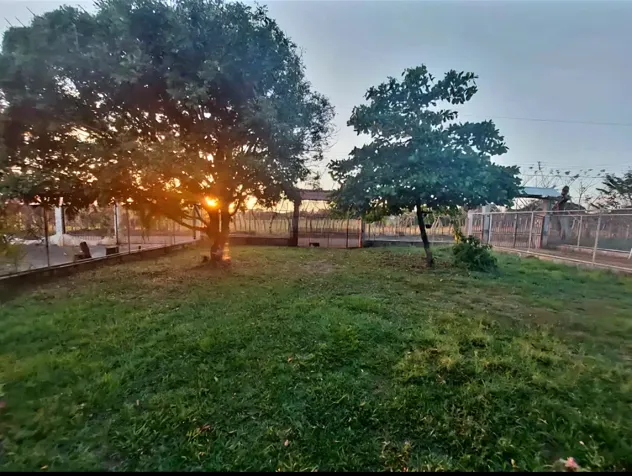
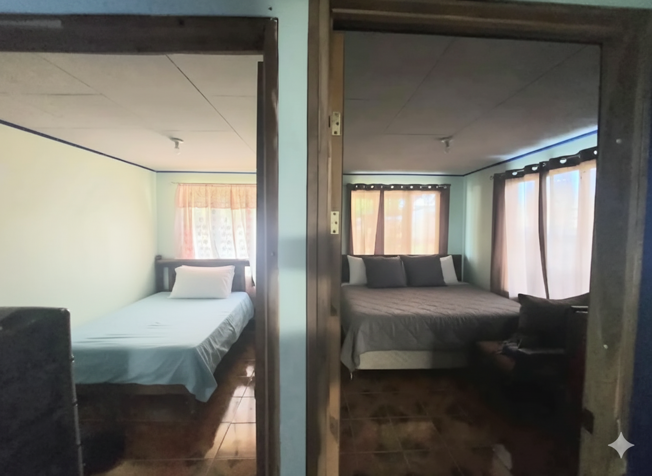
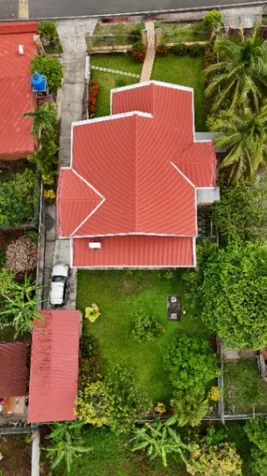
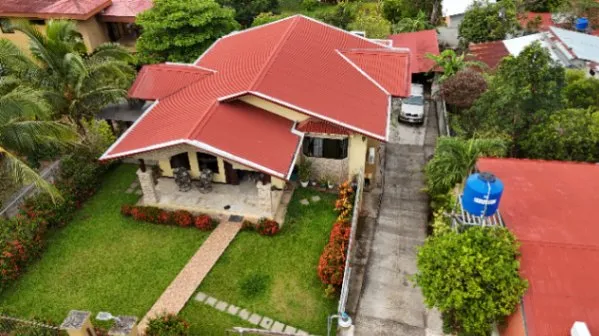
Miramar is district number 1 of the canton of Montes De Oro and its canton seat, so the municipal offices are located here. It is an inland district with a fairly large area, and the pack lists houses, lots and land, and farms for sale, which points to a mix of town living and rural property.
Before moving, check the things that vary from one street to the next: water supply, electricity and internet coverage, noise, and whether the access road is paved and passable in the rainy season. Visit the specific property more than once.
Cost of living
Housing is usually the largest expense, and it depends on whether you buy a house, a lot or a farm, and how close it is to the center of the canton seat. Outside the property price, build a budget around monthly utilities (water, electricity, internet, phone), daily transport or fuel, and food.
If you buy, add the annual property tax paid to the municipality and the notary and registry costs. If the home is in a shared development, ask about condo fees. When there are enough listings, this page shows above the typical rent and purchase figures for the zone.
Lifestyle
Miramar is not a coastal district, and its mix of a canton seat with rural land suggests a daily life that is semi-rural. Errands such as municipal paperwork, banking and basic shopping can be handled in the canton seat itself, and living on a farm or lot farther out generally means relying on a car.
Expect a slower pace than the Central Valley cities, with a smaller choice of services. Before settling, spend a few days in the area to see how your usual week would work.
Climate and nature
Miramar is inland, with no coastline of its own. Like most of Costa Rica's Pacific side, the year divides into a dry season, roughly December to April, and a rainy season for the rest of the year, when afternoon downpours are common. Higher and more exposed land tends to be cooler and wetter than the lower parts.
The district has a large area with farm and rural land, so green surroundings and agricultural land are part of the setting. Ask about drainage and slope when you look at a lot or farm.
Economy and opportunities
The region around Miramar has traditionally relied on farming and livestock, together with local commerce and public services tied to the canton seat. Some residents work remotely or commute to larger towns for jobs and study.
Being relatively near San José and the main international airport helps for occasional trips to the capital, for business, and for flights abroad, but a daily commute to the metro area would be long. People with local jobs, farm projects or remote income are the ones for whom the location tends to work best.
Accessibility and location
Miramar is district number 1 of the canton of Montes De Oro, in the province of Puntarenas, with postal code 60401 and an area of 111.0 km² (42.9 sq mi). It is the canton seat, and the local authority is the Municipalidad de Montes De Oro.
It borders Zapotal (canton of San Ramón), Puntarenas, Pitahaya and Acapulco (all canton of Puntarenas), San Jerónimo (canton of Esparza), La Unión and San Isidro. Downtown San José is 75.9 km (47.2 mi) away in a straight line. Juan Santamaría International Airport (SJO) is 59.6 km (37.0 mi) away in a straight line, and Daniel Oduber International Airport (LIR) is 103.0 km (64.0 mi) away in a straight line.
Its official villages, from Costa Rica's official territorial division (Decree 44882-MGP), are Alto Pavones, Bajo Zamora, Barbudal, Bellavista, Cabuyal, Delicias, Fraijanes, Lagunilla, Río Seco, Tajo Alto, Trinidad, Zagala Vieja, Zamora and Zapotal. Real travel time depends on the hour and the road.
History
Miramar, a district of Montes de Oro in Puntarenas, Costa Rica, began to develop in the late 19th century when the first coffee plantations were established, transforming the local economy and attracting immigrants. In 1940, the region experienced a cultural boom with the arrival of communities that brought traditions such as the celebration of the Fiesta de la Luz, which combines religiosity and folklore.
Today, Miramar is characterized by its cultural heritage, manifested in its gastronomy and festivities, as well as by a united community that preserves its customs.
Tips
Drive the route you would use every day at different hours, including early morning and late afternoon, to see how traffic and road conditions change. Ask the owner which water provider serves the property, whether the connection is in order, and request recent water and electricity bills.
If you rent, sign a written lease under Costa Rica's General Law of Urban and Suburban Leases (Law 7527). If you buy, have a lawyer check the title at the National Registry. You can also save listings for this zone on Anuntico to compare options over time.
In summary
Living in Miramar, Montes De Oro, Puntarenas, is an ideal choice for those seeking a peaceful and beautiful place to establish their home or invest. This charming destination offers an **impressive natural environment**, with mountains and panoramic views that invite relaxation and enjoyment of outdoor activities. Miramar is an inland district and the seat of the canton of Montes De Oro, where town services sit alongside farmland and rural lots. It makes the most sense for buyers looking for houses, land or a farm at a rural pace, who are comfortable driving and checking water, access and services property by property.