

Quality of life
When you name the whole zone, the label is San Ignacio, Acosta, San José. It is the first district of the canton of Acosta and the canton seat, with an area that makes it a mid-sized district. It has no coastline. For sale, the pack lists houses and lots and land, so it reads as a mix of residential and rural land rather than a commercial center.
Before moving, check the surroundings in person: water supply, road access in the rainy season, noise, and how far the homes you like sit from shops, clinics and schools. Ask neighbors about daily conditions on the street you are considering.
Cost of living
Housing is the main cost driver here, whether you buy or rent. Few rental types are listed, so renters may have fewer options to compare than buyers. Beyond the price or rent, build a budget that includes utilities such as water, electricity and internet, plus daily transport, since a car or regular bus and taxi trips are common in hillside districts.
If you buy, add the annual property tax paid to the municipality and the registry and legal costs of the purchase. If the home is in a condominium, ask about monthly fees. When there are enough listings, this page shows above the typical rent and purchase figures for the zone.
Lifestyle
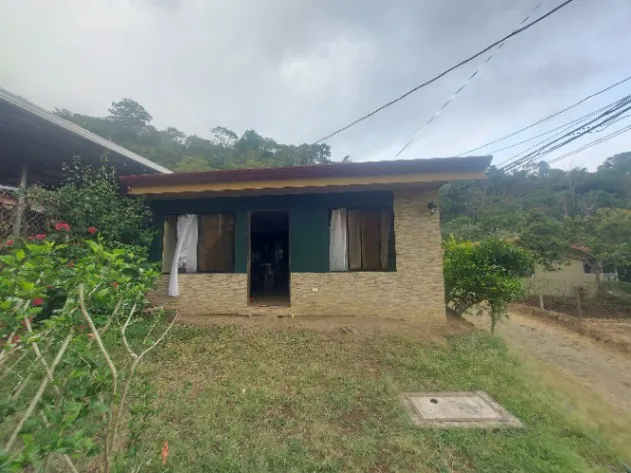
The pack describes a non-coastal district with several official neighborhoods and villages, which points to a semi-rural, hillside setting rather than a dense urban one. Daily life tends to mix local errands with trips for larger needs.
Because San Ignacio is the canton seat, the municipal offices of Acosta are here, so paperwork with the local authority does not require leaving the district. Plan on driving or using public transport for anything beyond basic errands, and visit at different times of day to see how the area actually works for you.
Climate and nature
San Ignacio is inland and not coastal. In this part of the Central Valley's southern mountains, Costa Rica's seasons apply: a dry season roughly from December to April and a rainy season for the rest of the year, with the heaviest rain usually in the later months.
Slope and elevation matter. Higher, south-facing hillsides can be wetter and cloudier, while lower, more sheltered areas are often drier. Visit in both seasons if you can, and look at drainage, hillside stability and vegetation around any lot or house.
Economy and opportunities
The region around Acosta has traditionally combined farming with local services and commerce, and many residents of mountain districts near the capital work in the San José metro area. Remote work is another option if the property has a reliable internet connection, which you should verify before committing.
Being relatively close to San José and the main international airport helps for commuting, university study and travel, though mountain roads make daily commuting slower than the map suggests. Weigh that against the lower density and land available here.
Accessibility and location
San Ignacio is district number 1 of the canton of Acosta, in the province of San José, and the canton seat. Its postal code is 11201 and its area is 22.7 km² (8.8 sq mi).
It borders Tarbaca (canton of Aserrí), Vuelta de Jorco (canton of Aserrí), Guaitil, Palmichal and Cangrejal. Downtown San José is 18.4 km (11.4 mi) away in a straight line, and Juan Santamaría International Airport (SJO) is 22.2 km (13.8 mi) away in a straight line.
Official neighborhoods: Abarca, Corral, María Auxiliadora, Ortiga, Pozos, San Gerardo, San Luis, San Martín, Turrujal and Vereda. Official villages: Aguablanca, Alto Escalera, Alto Los Mora, Ángeles, Chirraca, Esperanza, Potrerillos, Resbalón and Tablazo. These come from Costa Rica's official territorial division (Decree 44882-MGP). Real travel time depends on the hour and the road.
History
San Ignacio, a district of Acosta in San José, Costa Rica, has a history that dates back to its founding in 1848. It has evolved from a small agricultural community to a cultural center that celebrates traditions such as the patron saint festivities in honor of San Ignacio de Loyola, where music and dance take center stage.
The blend of its natural surroundings and the warmth of its people have created a welcoming atmosphere. San Ignacio also offers various development opportunities for new residents.
Tips
Before deciding, drive the daily commute at different hours, including weekday mornings and evenings, to see real conditions on the mountain roads. Visit the property after heavy rain if possible.
Ask the owner about water and utilities: whether water comes from the public system or a local association, and request recent bills. If you rent, insist on a written lease under Costa Rica's General Law of Urban and Suburban Leases, Law 7527. On Anuntico you can save listings in the zone to compare them over time.
In summary
Living in San Ignacio is an ideal choice for those looking to establish their home or invest, thanks to its tranquil and natural environment that promotes a healthy lifestyle. San Ignacio is the seat of the canton of Acosta, a non-coastal hillside district made up of neighborhoods and villages, with houses and land for sale. It makes sense for buyers who want a quieter, semi-rural base within reach of San José, and who accept relying on a vehicle and checking water and road access first. Anyone planning to live in San Ignacio, Acosta, San José should visit in both seasons before deciding.