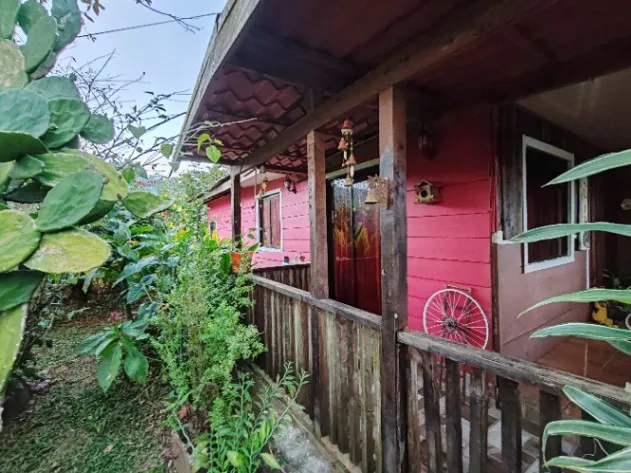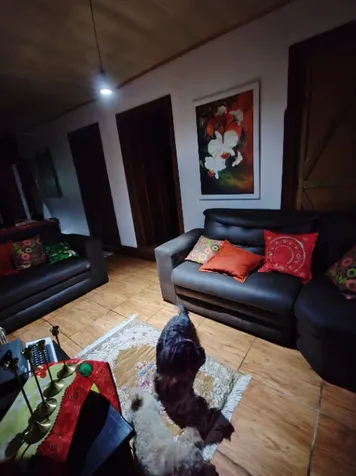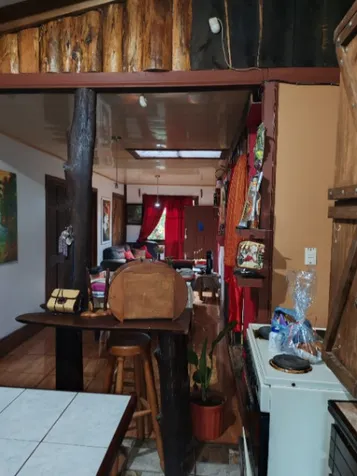


Quality of life
San Lorenzo is the second district of the canton of Tarrazú, in the province of San José. It covers 186.1 km² of mostly non-coastal land, and it borders districts in several neighboring cantons, which suggests a spread-out, largely rural setting rather than a dense town center.
The pack lists no properties for sale or rent right now, so check what is actually available before planning around it. Before moving, verify the things that vary most from one rural property to the next: how far the nearest services are, whether water comes from a public system or a private source, road condition in the rainy season, and noise from nearby farm activity or traffic.
Cost of living
In a district like this, housing is usually the largest expense, whether you rent or buy. Beyond that, build a budget around electricity, water, internet and phone, and the cost of getting around. In rural areas a car is often necessary for errands, so fuel and maintenance matter more than they would in the capital.
If you are buying, add the annual property tax paid to the municipality and the notary and registry costs of the transfer. If a property is in a condominium, ask about monthly fees. When there are enough listings, this page shows above the typical rent and purchase figures for the zone; use them as a starting point, not as a quote.
Lifestyle
The size of the district, the long list of small villages and the absence of a coast point to a rural, dispersed way of living. Homes are likely to be spread among communities rather than concentrated on a single grid of streets, so daily routines tend to depend on where exactly a property sits.
For banking, municipal paperwork and larger shopping, residents look to the canton seat, which is a short hop away in a straight line compared with San José. Expect to plan trips for errands, and test how that works on the specific road you would use.
Climate and nature
San Lorenzo is not coastal. It lies in the highlands south of the Central Valley, and like most of Costa Rica it follows a dry season, roughly December to April, and a rainy season for the rest of the year. Rain tends to be heavier on the slopes that face the Pacific side, and mornings are often clearer than afternoons during the wet months.
Because the district is large and mountainous, conditions change with elevation and exposure. Visit a property in both seasons if you can, and ask neighbors about mud, landslides on access roads and how the land handles heavy rain.
Economy and opportunities
The economy of this part of the country is built mostly on farming, along with local commerce and services. Work in the area is generally tied to agriculture and the businesses that support it, while jobs in larger companies, universities and government offices are concentrated in the San José metro area.
Being a fair distance from the capital and from the international airport means commuting there daily is demanding. Remote workers should check internet options at the specific address, and anyone planning to study or work in the metro area should test the trip first.
Accessibility and location
San Lorenzo is district number 2 of the canton of Tarrazú, in the province of San José. Its postal code is 10502 and its area is 186.1 km² (71.9 sq mi). The local authority is the Municipalidad de Tarrazú.
It borders San Marcos, San Carlos, Santa María (canton of Dota), Río Nuevo (canton of Pérez Zeledón), San Pablo (canton of León Cortés Castro), San Isidro (canton of León Cortés Castro), Quepos (canton of Quepos) and Naranjito (canton of Quepos).
In a straight line, it is 12.9 km (8.0 mi) from the canton seat, San Marcos; 42.1 km (26.2 mi) from downtown San José; and 52.0 km (32.3 mi) from Juan Santamaría International Airport (SJO).
Its official villages, from Costa Rica's territorial division (Decree 44882-MGP), include Alto Guarumal, Alto Portal, Alto Zapotal, Ardilla, Bajo Quebrada Honda, Bajo Reyes, Bajo Zapotal, Cerro Nara, Chilamate, Concepción, Delicias and Esperanza, among others. Real travel time depends on the hour and the road.
History
San Lorenzo, located in Tarrazú, San José, Costa Rica, has a history that begins in the 19th century with the arrival of farmers seeking fertile land to cultivate coffee. Over the years, coffee became the economic engine of the region, shaping its cultural identity.
Today, San Lorenzo is known for its traditions, such as the celebration of the patron saint festivities in honor of San Lorenzo, which include various cultural and religious activities. The community is also noted for its hospitality and a strong sense of identity.
Tips
Drive the route you would use every day at different hours, including early morning and after dark, and note the state of the road. Ask the owner or agent how the property gets water and electricity, whether the supply is public or private, and request recent bills.
If you rent, insist on a written lease under Costa Rica's General Law of Urban and Suburban Leases, Law 7527. If you buy, have a lawyer check the title at the National Registry. You can also save listings for this zone on Anuntico to follow what appears.
In summary
Living in San Lorenzo, Tarrazú, San José, Costa Rica, is an ideal choice for those looking to establish their home or invest, thanks to its natural surroundings and tranquility. San Lorenzo is a large, inland, rural district of Tarrazú where daily life depends on the specific village and road. It tends to suit people who are comfortable with a country setting, a car and some distance from the capital. Anyone considering it should visit in both seasons and confirm services at the exact property.