

Quality of life
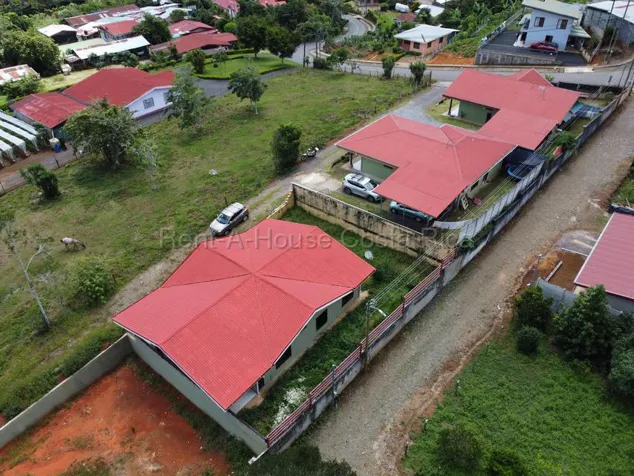
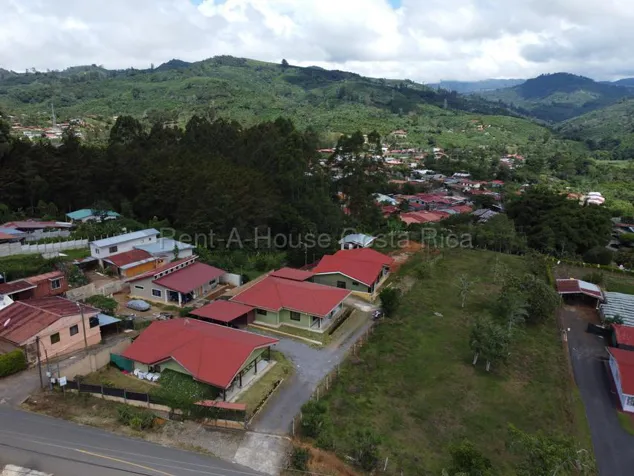
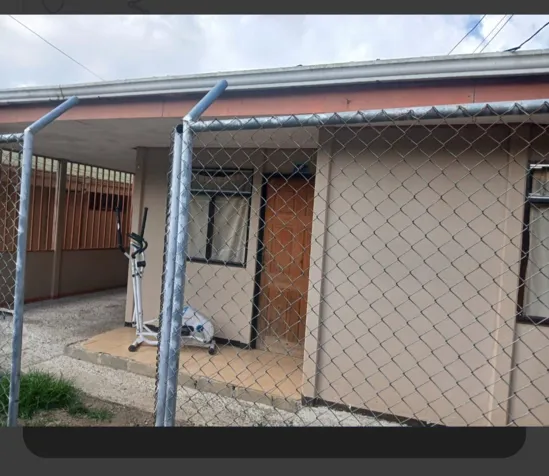
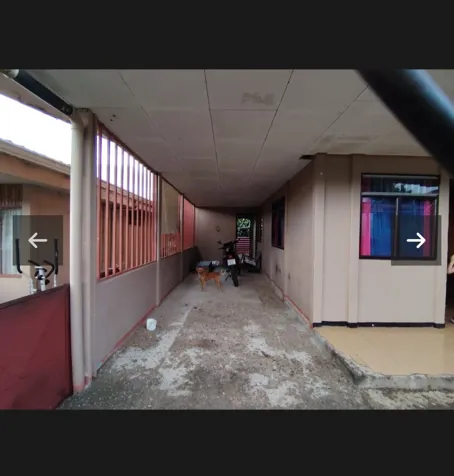
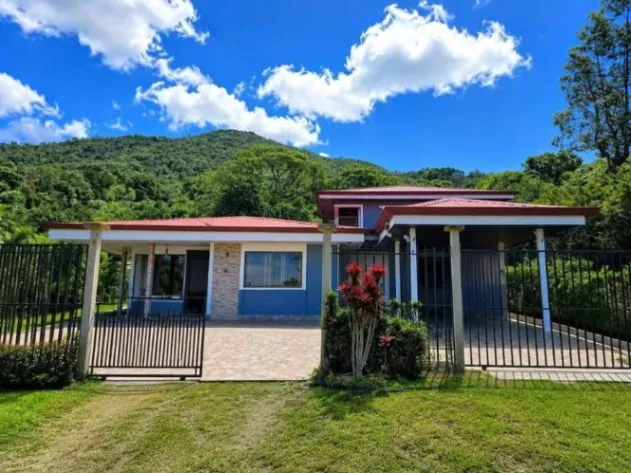
San Marcos is the first district of the canton of Tarrazú and its canton seat, in San José province. It covers a mid-sized area and is not coastal. Its neighbors include districts in Tarrazú itself and in the cantons of Dota and León Cortés Castro. For sale, the listed property types are houses, lots and land, and farms, which points to a mix of town and rural use.
Before moving, check the practical side of the surroundings: how reliable water service is on the street you pick, how much noise to expect, the condition of the access road in the rainy season, and how close daily services are to the property.
Cost of living
Housing is usually the largest expense, whether you buy or rent. Where a property sits in relation to the town center, and whether it is a house, a lot or a farm, will shape what you pay far more than the district name alone.
Add the recurring costs to your budget: electricity, water, internet and phone, fuel or daily transport, and, if you buy, annual property tax and registry and notary costs. Condo fees apply only if the property is in a managed development. When there are enough listings, this page shows above the typical prices by property type, which is a better starting point than general estimates.
Lifestyle
San Marcos is an inland, mostly rural district that holds the canton seat, so errands and administrative tasks can usually be done in the district itself, including dealings with the Municipalidad de Tarrazú. Beyond the center, the pack lists several villages, which suggests a settlement pattern of small communities spread across the district.
Daily life in a place like this tends to depend on a car, and on how far your property is from the center. Rural lots and farms mean more space and privacy, but also more reliance on your own transport and utilities. Visit at different times of day and on weekdays to see how it actually works.
Climate and nature
San Marcos is not coastal. It lies in the mountainous interior of the country, where the year is split into a dry season and a rainy season. In the central and southern highlands, the dry months run roughly from December to April, and the rest of the year is wetter, with rain often arriving in the afternoon.
Highland areas are generally cooler than the lowlands and the coasts, and the slope matters: hillsides facing the Pacific tend to get heavy rain in the wet months. If you are considering a farm or a lot, ask about drainage, slope stability and how the access road holds up during the rains.
Economy and opportunities
The economy of Costa Rica's highland interior has traditionally rested on farming, together with local commerce and public and private services in the main towns. As the canton seat, San Marcos concentrates the local government and the services that go with it. The listing of farms for sale fits this agricultural profile.
San José is the main center for corporate and professional work, and the international airport is the gateway for travel. Because both are a considerable distance away, a daily commute to the metro area is demanding. Remote work, local business, or farming are more realistic fits; check internet quality at any property you consider.
Accessibility and location
San Marcos is district 1 of the canton of Tarrazú, in the province of San José. Its postal code is 10501 and it covers 46.0 km² (17.8 sq mi). It is the canton seat, so the distance to the seat is nil. It borders San Lorenzo; Santa María and Jardín (canton of Dota); and San Pablo and Santa Cruz (canton of León Cortés Castro).
In a straight line, downtown San José is 30.2 km (18.8 mi) away, and Juan Santamaría International Airport (SJO) is 42.2 km (26.2 mi) away.
Costa Rica's official territorial division (Decree 44882-MGP) lists these neighborhoods: Corea, I Griega, Las Tres Marías, Rodeo, Santa Cecilia and Sitio. It also lists these villages: Alto Pastora, Bajo Canet, Bajo San Juan, Canet, Cedral, Guadalupe, Llano Piedra, Sabana, San Cayetano, San Guillermo and San Pedro. Real travel time depends on the hour and the road.
History
San Marcos, a district of Tarrazú, San José, Costa Rica, has a history that begins in 1848 with its founding. Over the years, it has stood out for its coffee culture, being one of the main coffee producers in the country, which has influenced its traditions and way of life. In 1950, the community came together to build its church, a symbol of local unity and faith. Today, San Marcos is known for its festivities, such as the celebration of the Virgin of the Angels, which reflects its strong sense of identity.
Tips
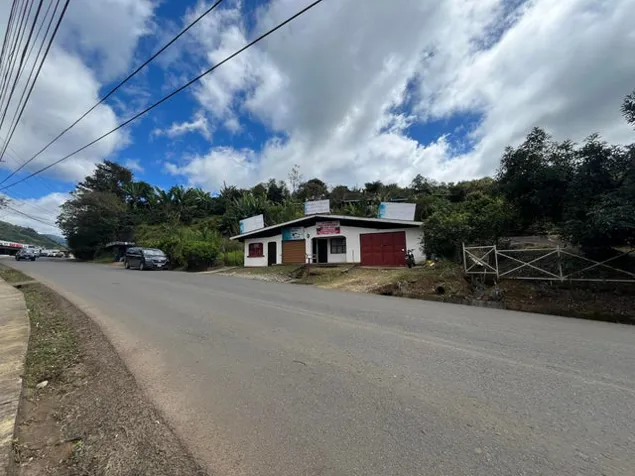
Drive the route you would use every day at different hours, including early morning and late afternoon, and in both dry and rainy months. Roads in mountain areas can change a lot with the weather.
For any property, ask about water and electricity: who supplies them, whether the connection is in the owner's name, and whether there are shared water systems. Ask for recent bills. If you buy, have a lawyer check the property at the National Registry. If you rent, sign a written lease under the General Law of Urban and Suburban Leases, Law 7527. You can also use Anuntico to save listings in this zone.
In summary
Living in San Marcos, Tarrazú, San José, Costa Rica, is an ideal choice for those looking to establish their home or invest, thanks to its privileged natural environment and cool climate, which offer a healthy and comfortable lifestyle. San Marcos is the canton seat of Tarrazú, an inland, non-coastal district where town services sit alongside villages, lots and farms. It makes the most sense for buyers who want a rural or small-town base, who are comfortable driving, and who do not need to commute to San José every day. Visit in person and check water, access and internet before deciding.