
Practical tips for ensuring a successful home purchase.
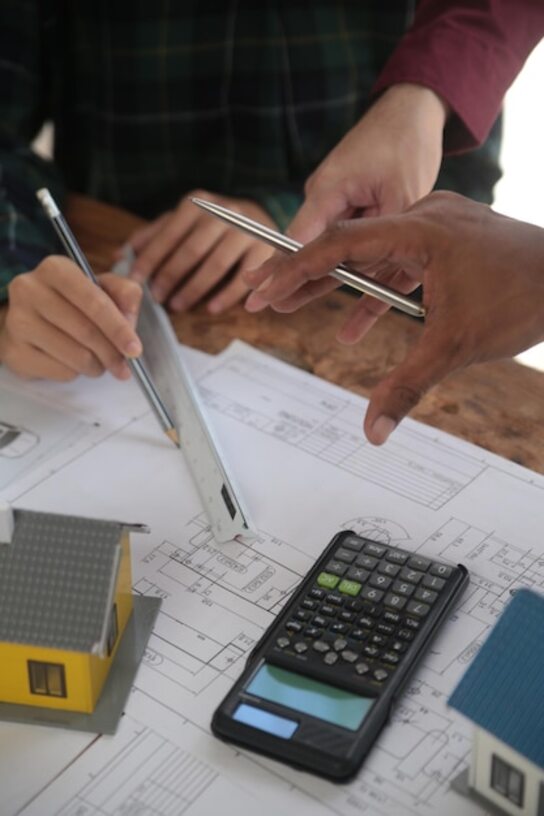
Ensuring a successful home purchase may seem challenging, but with the right advice and a strategic approach, you can turn this process into a rewarding experience. In this checklist, we will provide you with key tools and recommendations that will help you make informed and accurate decisions. From assessing your needs to signing the contract, every step counts in finding the ideal home in Costa Rica. Get ready to navigate the exciting real estate world with confidence and security.
Define your budget and financing.
When embarking on the purchase of a home, defining your budget and financing is a crucial step that will lay the groundwork for the rest of the process. Start by evaluating your monthly income and expenses, as well as your available savings. This will give you a clear idea of how much you can allocate to the purchase without compromising your financial stability. Remember to include in your calculation not only the price of the home but also the additional costs that may arise, such as taxes, insurance, and maintenance expenses. Having a realistic budget will help you avoid unpleasant surprises later on.
Once you have established a comfortable price range for yourself, consider the financing options available. Research different banking or financial entities that offer mortgages and compare their interest rates and terms. Ask yourself if you need a conventional loan, one backed by the government, or some other form of financing that fits your needs. Don't hesitate to consult with a financial advisor who can guide you through this process and help you choose the best option for you. By having clarity about your budget and financial options, you will be better prepared to make informed decisions when searching for your new home.
Advertisements
Set your priorities: location, type of property, and features.
Establishing your priorities is a crucial step in the home buying process. Before you start looking for properties, take some time to reflect on which aspects are most important to you and your family. Location is often the first factor to consider: think about the proximity to your work, schools, healthcare services, and recreational areas. Additionally, evaluate whether you prefer a vibrant urban environment, a quiet suburban area, or even a rural place with more space. Being clear about what you are looking for will help you filter options and save time in your search.
The type of property also plays a fundamental role in your priorities. Are you looking for a detached house, an apartment, or perhaps a shared property? Each option has its pros and cons that must be considered according to your lifestyle and budget. Additionally, don't forget the specific features you want: number of bedrooms, size of the garden, or if you need space to work from home. By establishing these priorities from the beginning, you will be able to focus on finding a property that truly fits your needs and desires, making the buying experience much more satisfying.
Research the local real estate market
Researching the local real estate market is a crucial step in the home buying process. Before making any decisions, it is essential to familiarize yourself with the current market trends in the area you are interested in. This includes knowing the average property prices, the types of homes available, and the demand in the area. By having a clear understanding of the real estate environment, you can set a realistic budget and determine if what you are willing to pay aligns with the actual value of properties in that location.
Additionally, consider researching additional factors such as the quality of life in the area, proximity to essential services like schools, hospitals, and shopping centers, as well as public transportation options. These elements will not only influence your daily experience as a resident but will also affect the potential appreciation of your investment in the long term. Utilize online resources, consult with local real estate agents, and attend fairs or related events to gather valuable information that will help you make more informed decisions about your future home.
Consider the advice of a real estate agent.
Having the advice of a real estate agent can be one of the smartest decisions you make when searching for your new home. These professionals not only possess a deep knowledge of the local market, but they are also familiar with price trends, the best neighborhoods to live in, and the legal aspects involved in purchasing a property. Their expertise will allow you to access exclusive listings and options that you might not find on your own, which is essential for having a comprehensive view of what the market has to offer you. Additionally, their negotiation skills can make the difference between getting a good price and overpaying for your new home.
Another fundamental aspect to consider is that a real estate agent acts as an intermediary in the process, facilitating communication between buyers and sellers. This is especially valuable if doubts or concerns arise during negotiations or inspections. Having someone who can mediate and resolve conflicts brings peace of mind to the process and ensures that all details are handled professionally. Additionally, having their support during the signing of the contract or any legal procedures will give you greater confidence in every decision you make, allowing you to enjoy the journey towards acquiring your new home more.
Conduct visits and comparative analysis of properties.
Visiting and conducting comparative analyses of properties is a fundamental step in the home buying process. By visiting different properties, you not only familiarize yourself with the available spaces but also evaluate aspects such as layout, lighting, and the general condition of the property. It is important to make a list of what you are looking for: number of bedrooms, common areas, and any special features you desire. This will allow you to have a better comparison between the options you consider and thus make more informed decisions.
In addition to physical visits, conducting a comparative market analysis is crucial to understand if you are making a sound investment. Research prices of similar properties in the same area to gain a clear perspective on the actual value of the property you are interested in. Online tools and professional advice can be valuable allies in this regard. Taking the necessary time to make these comparisons can save you unpleasant surprises in the future and ensure that you secure the best possible deal on your new home.
Verify the legal documentation of the property.
When purchasing a home, one of the most critical steps is to verify the legal documentation of the property. This involves checking that the title is in order and that there are no liens, mortgages, or legal issues associated with it. Make sure the seller has the legal capacity to sell it and that all registered data corresponds to the reality of the property. This process will not only protect you against unpleasant surprises but will also give you peace of mind knowing that you are investing in a property that truly belongs to you without future complications.
It is also advisable to request a copy of the cadastral plan and other relevant documents such as construction and maintenance permits, as well as to check if there are necessary municipal permits. Consulting with a lawyer specialized in real estate can be a good option to ensure that all documentation is properly prepared and legalized. Remember that investing time in this stage can save you significant inconveniences later, thus ensuring a successful and satisfactory purchase of your new home.
Evaluate additional costs: taxes, maintenance, and services.
One of the most important aspects to consider when buying a home are the additional costs that can influence your long-term budget. These expenses not only involve the purchase price of the property but also taxes, maintenance, and basic services. For example, it is essential to research the property tax that you will need to pay annually, as well as any municipal taxes related to the property. Knowing these values will give you a clear picture of the total cost of acquiring and maintaining your new home.
In addition to taxes, it is crucial to consider the regular maintenance that the property will require. This includes minor repairs, gardening services, cleaning, and other necessary care to preserve the condition of the home. You should also assess the recurring costs of services such as water, electricity, and Internet. Conducting a detailed analysis of these expenses will help ensure that you can manage not only the initial purchase but also the financial obligations that come with being a homeowner. Ultimately, taking these factors into account will allow you to fully enjoy your new home without unpleasant surprises along the way.
Professional inspection: make sure everything is in order.
A professional inspection is one of the most crucial steps in the home-buying process. While it may be tempting to overlook this aspect, investing in a detailed inspection will allow you to uncover hidden issues that could lead to costly repairs in the future. A qualified inspector will review various aspects of the property, including the structure, electrical and plumbing systems, as well as potential environmental issues. This knowledge will give you a better perspective on the true condition of the property and enable you to negotiate more favorable terms with the seller.
Additionally, having a complete report on the condition of the property gives you peace of mind and security in your buying decision. If issues are identified during the inspection, you will have the opportunity to discuss these findings before finalizing the deal. This can not only save you money in the long run but also help you avoid unpleasant surprises after moving in. Remember that an informed purchase is always a successful purchase; so make sure to include this essential step in your checklist to ensure everything is in order before taking that exciting step toward your new home.
Understanding the closing and signing process of the contract
Understanding the closing and signing process of the contract is essential to ensure a successful home purchase. This is the final step in your journey toward acquiring a new home, and it is crucial that you are well informed about what it entails. During this phase, all necessary documents will be reviewed, and final negotiations will take place. It is advisable to have the guidance of an experienced lawyer or real estate agent who can assist you throughout this process, ensuring that all terms are clear and fair for both parties. Pay special attention to details such as payment conditions, termination clauses, and any other legal aspects that may affect your purchase.
Once all parties are satisfied with the contract, you will proceed to the final signature. This moment can be exciting but it can also cause anxiety if you are not prepared. Make sure to read each section of the contract carefully before signing; do not hesitate to ask questions if something is unclear. Also, keep in mind that after the signing, the property transfer process will begin, where additional costs such as taxes or administrative fees may also arise. Being attentive to these details will help you avoid unpleasant surprises and ensure that your experience is as smooth as possible as you prepare to take that big step toward your new home in Costa Rica.
Advertisements
More in Checklist
Buying Process, Checklist
Tips for ensuring a successful closing on your home purchase

Buying Process, Checklist
Tips for choosing the perfect location when buying your home

Buying Process, Checklist
Tips for ensuring clarity in the purchase of your ideal home

Buying Process, Checklist
Tips for a home purchase that promotes your well-being
Most viewed in Buying Process

Buying Process, Legal Verification
Fundamental Aspects to Ensure Your Real Estate Purchase
Buying Process, Legal Verification
Legal Aspects That Boost Your Confidence When Buying Properties

Buying Process, Advice
Tips for choosing the ideal property without complications

Buying Process, Common Mistakes
Mistakes That Can Frustrate Your Purchase in La Fortuna