
Secure Your Purchase: Understanding the Legal Framework in Costa Rica
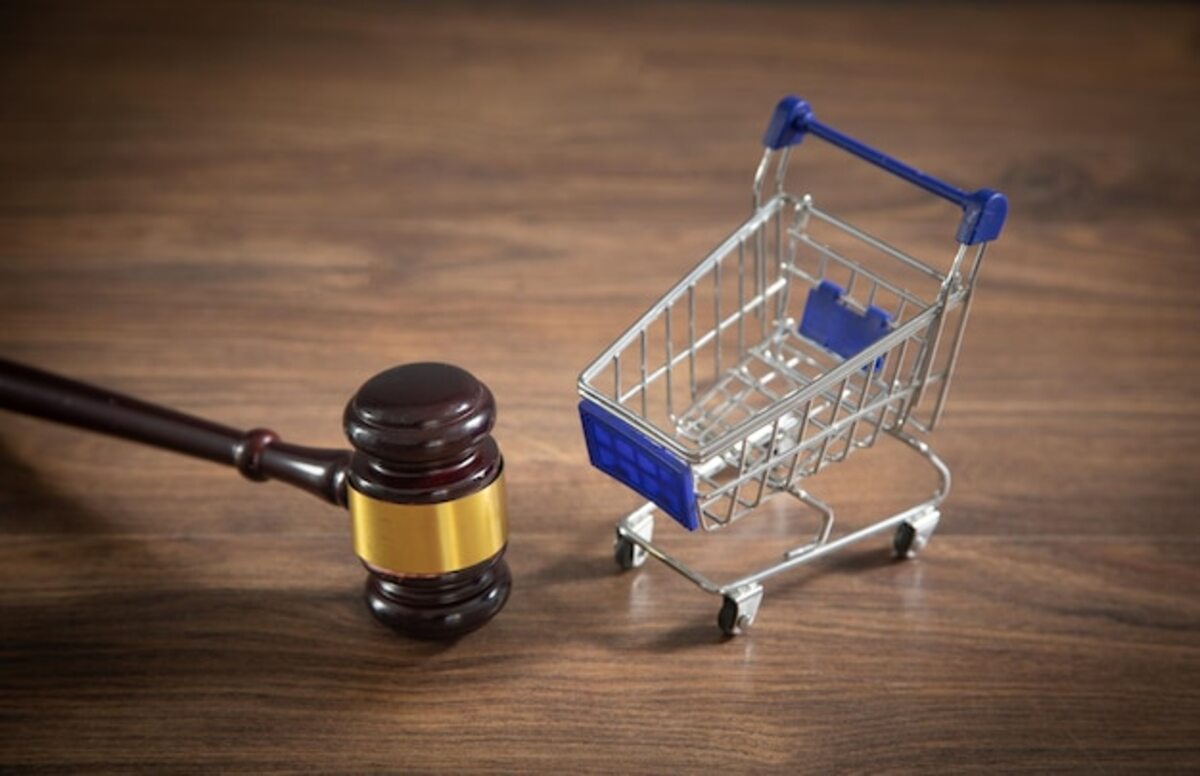
Securing a purchase in Costa Rica involves more than just choosing the right product or service; it is essential to understand the legal framework that governs transactions. Knowing your rights and duties as a consumer can prevent unpleasant surprises and ensure the satisfaction of your investment. In this article, we will break down key aspects of the legal verification process to empower you and guide you through each step of your purchase, thereby ensuring that your experience is not only satisfactory but also safe.
Importance of Legal Verification in the Purchase Process
Legal verification in the purchasing process is a crucial step that should not be overlooked. In Costa Rica, as in any other country, business transactions are subject to a series of regulations and rules designed to protect both the consumer and the seller. By ensuring that all documents and contracts are in order, you can prevent fraud and legal conflicts that could arise later. The lack of this verification can lead to complicated situations where consumer rights are violated, which could result in economic losses or legal issues.
Moreover, the importance of legal verification goes beyond simple problem prevention; it is also about ensuring transparency and trust in the business relationship. By confirming that a product or service complies with local regulations, you are backing your choice with a solid and secure foundation. This not only enhances your experience as a buyer but also fosters a fairer and more ethical business environment for everyone. In summary, taking the time to understand the applicable legal framework can be the difference between a successful purchase and a challenging experience filled with inconveniences.
Advertisements
Consumer Rights in Costa Rica
Consumer rights in Costa Rica are protected by the Consumer Protection Law, which establishes a series of fundamental principles to ensure fair and equitable treatment. Among these rights, the right to information stands out, requiring providers to offer clear data about the characteristics, prices, and conditions of products and services. Additionally, consumers have the right to receive adequate responses to their inquiries and complaints, promoting transparency in all commercial transactions. Knowing these rights not only allows for more informed purchases but also empowers the consumer against potential abuses or deceptive practices.
Another important aspect is the right to the warranty of purchased products. In Costa Rica, consumers have a minimum legal warranty period that ensures products function correctly for a specified time. If the product has defects within this period, the consumer has the right to request repairs, exchanges, or refunds. This legal framework not only protects consumers from defective products but also encourages greater responsibility among providers to offer quality goods and services. Being aware of your rights regarding warranties will enable you to make safer and more satisfactory purchases.
Essential Documentation to Secure Your Purchase
To ensure a purchase in Costa Rica, it is essential to have the proper documentation that supports the transaction. This includes requesting and reviewing invoices or receipts that clearly detail the product or service acquired, as well as the terms of the warranty. The invoice not only serves as proof of purchase but is also a legal document that protects you against potential claims or returns. Make sure to verify that all the information is correct and up-to-date to avoid future inconveniences.
In addition to the invoice, it is advisable to request any contract related to the service or product purchased, especially if it involves real estate or long-term services. This document should specify the terms of the agreement, including deadlines, additional costs, and the rights of both parties. Knowing these details is crucial to avoid future conflicts and ensure that your investment is protected within the Costa Rican legal framework. Keeping all this documentation organized will provide you with peace of mind and support in case you need to make any type of claim.
How to Identify a Reliable Supplier
Identifying a reliable supplier is essential for ensuring a successful purchase in any transaction. First, it is advisable to research the supplier's reputation through reviews and testimonials from other customers. Online platforms and social media can provide a clear insight into the experiences others have had with the seller. Additionally, checking if the supplier has certifications or memberships in trade associations can be an indicator of their commitment to quality standards and customer service.
Another fundamental aspect is the transparency in the return policies and warranty of the product or service. A reliable provider will always be willing to provide this information without reservations, reflecting their confidence in what they offer. Also, make sure that the provider has accessible and effective communication channels, such as phone numbers or email addresses, to resolve any questions or issues that may arise before and after making your purchase. Taking these steps will help you minimize risks and ensure a safer shopping experience.
Procedures for Reporting Legal Violations
To ensure a safe and satisfactory shopping experience in Costa Rica, it is crucial to know how to report legal violations that may arise during the process. If you find yourself in a situation where you believe your rights as a consumer have been violated, the first thing you should do is gather all relevant documentation: invoices, emails, and any other evidence that supports your claim. Once you have this information organized, you can file your complaint with the Defensoría del Consumidor or the Ministry of Economy, Industry and Commerce (MEIC), entities responsible for protecting consumer rights in the country.
In addition to contacting the mentioned institutions, it is also advisable to reach out to non-governmental organizations dedicated to consumer advocacy, as they can provide you with additional guidance on how to proceed. It is important to keep in mind that many times these violations can be resolved directly with the service or product provider; therefore, starting a dialogue can be an effective first step before escalating the situation to formal instances. Remember that being informed about your rights empowers you as a consumer and helps foster a fairer market for everyone.
Practical Tips to Avoid Fraud When Buying
When making a purchase, whether in a physical store or through online platforms, it is important to be alert to potential fraud. Always check the seller's reputation. In the case of online purchases, research whether the store has good ratings and reviews from other consumers. Platforms that offer a rating and review system are useful tools for determining the seller's reliability. Additionally, ensure that the website has visible security protocols; look for the padlock symbol in the address bar and check that the URL starts with "https://". This guarantees that your personal data will be protected during the transaction.
Another crucial piece of advice is to read the terms and conditions carefully before finalizing any purchase. Often, these documents contain information about return policies, warranties, and consumer rights that can be crucial in case of later issues. Don't hesitate to ask the seller any specific questions you may have; their willingness to respond can be another indicator of their seriousness. Finally, keep all receipts and communications related to your purchase as evidence, as this will help you support any claims or disputes that may arise later. These steps will help you make informed decisions and effectively protect your investment.
Legal Resources Available for Consumers in Costa Rica
In Costa Rica, consumers have various legal resources that allow them to protect their rights and seek solutions in the event of possible conflicts in the area of purchases. The Consumer Protection Law establishes a regulatory framework that supports consumers against unfair commercial practices, guaranteeing the possibility to claim for defective products or unfulfilled services. Among these resources are complaints to the Technical Secretariat of the Consumer Support Directorate (DAC), where formal complaints about violations of the law can be submitted, as well as requesting advice on how to proceed in specific cases.
Additionally, consumers have access to alternative dispute resolution mechanisms, such as conciliation and arbitration, which can be more efficient and less costly than going to court. It is also important to mention the role of the National Institute for Consumer Defense (INDEC), which provides guidance and legal support for those who need additional assistance. Knowing these resources not only empowers the consumer, but also fosters a more responsible business culture in the country, where both sellers and buyers respect their rights and obligations in every transaction.
Advertisements
More in Legal Verification

Buying Process, Legal Verification
Fundamental Aspects to Ensure Your Real Estate Purchase

Buying Process, Legal Verification
Legal Aspects That Boost Your Confidence When Buying Properties
Buying Process, Legal Verification
Fundamentals to Validate the Legality of Your Home Purchase

Buying Process, Legal Verification
Secure Your Purchase with a Thorough and Reliable Legal Analysis
Most viewed in Buying Process
Buying Process, Legal Verification
Fundamental Aspects to Ensure Your Real Estate Purchase
Buying Process, Legal Verification
Legal Aspects That Boost Your Confidence When Buying Properties

Buying Process, Advice
Tips for choosing the ideal property without complications

Buying Process, Common Mistakes
Mistakes That Can Frustrate Your Purchase in La Fortuna