
Guide to Financial Decision-Making When Buying Your Ideal Home
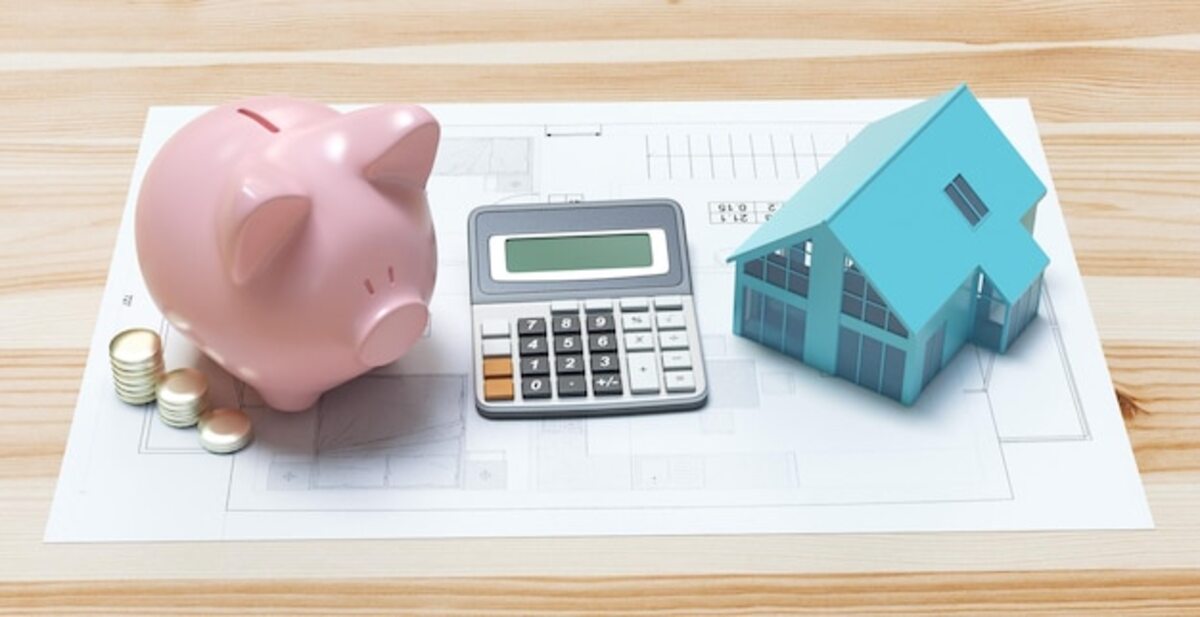
Buying your ideal home is one of the most important financial decisions you will make in life. However, it's not just about choosing the perfect property; understanding the taxes and associated expenses is crucial to ensuring that your investment is sustainable and beneficial in the long term. In this guide, we will provide you with tools and practical tips for managing your finances when purchasing your home, helping you avoid unpleasant surprises along the way.
Understanding the total cost of acquisition: beyond the selling price
When considering the purchase of a home, it is essential to go beyond the sale price and analyze the total cost of acquisition. This concept includes not only the amount paid for the property but also a series of additional expenses that can significantly impact your budget. Among these costs are property taxes, closing fees, insurance, and maintenance costs. Ignoring these elements can lead to financial surprises that affect your ability to fully enjoy your new home.
Additionally, it is crucial to consider the long-term expenses associated with being a homeowner. This includes the monthly mortgage payment, as well as the monthly utility bills and other recurring expenses that may arise. Financial planning should involve a detailed analysis of cash flow and how each of these costs fits into your current and future income. By understanding the total cost of acquisition, you can make more informed decisions and avoid compromising your financial stability when investing in your ideal home.
Advertisements
Property taxes: what you need to know
When acquiring a property, one of the most relevant aspects you should consider is property taxes. These taxes are collected by local authorities and are based on the assessed value of your home. Depending on the location, rates can vary significantly, which means it is essential to research and understand how these taxes are calculated in the area where you plan to buy. This information will not only help you plan your initial budget but also anticipate future expenses that could affect your ability to maintain your home.
In addition to the tax rate, it is essential to understand what public services and benefits are funded by these taxes. Generally, the revenue generated from property taxes goes towards services such as public education, infrastructure maintenance, and local safety. Knowing how these funds are allocated can influence your purchasing decision, as an area with good resource management tends to be more attractive to buyers. By evaluating all these variables, you will be able to make a more informed decision that aligns with your long-term financial goals.
Hidden costs when buying a home: are you prepared?
When buying a home, it's easy to get carried away by the excitement of finding the perfect place and overlook the additional expenses that may arise. Hidden costs are those expenses that are not always reflected in the sale price of the property, but can significantly impact your budget. For example, it is essential to consider property taxes, as well as closing fees, which include legal fees and real estate commissions. These expenses can add up to thousands of dollars and should be an integral part of your financial planning.
Additionally, there are other recurring costs that are often overlooked when making initial calculations. Monthly expenses such as homeowners insurance, maintenance, and unexpected repairs are crucial for keeping your investment in good condition. It is also important to consider utilities and fees associated with the community or neighborhood. By being prepared for these hidden costs, you can make more informed decisions and ensure that your purchase is not only a dream come true but also a solid long-term investment.
Closing cost budget: plan ahead
When planning the purchase of your ideal home, it is essential that you not only focus on the property's price but also consider the closing costs. These expenses can include a variety of items such as appraisal fees, legal fees, insurance, and other charges that often accumulate at the end of a real estate transaction. Without proper planning, you could find yourself facing a significant outlay just when you are about to close the deal. Therefore, it is crucial that you include these expenses in your initial budget to avoid unpleasant surprises that could jeopardize your investment.
To have a clearer idea of how much you should set aside for these expenses, conduct thorough research and consult with real estate professionals who can provide you with accurate estimates. Generally, it is recommended to allocate between 2% and 5% of the purchase price of the home to cover closing costs. By keeping this in mind from the beginning, you can establish a more realistic budget and ensure that you have the necessary funds to complete the transaction without additional financial difficulties. Anticipation and planning are key to making this process as smooth as possible and ensuring that your investment is truly sustainable in the long term.
The importance of appraisal and its financial impact
The importance of the appraisal and its financial impact cannot be underestimated when acquiring your ideal home. A professional appraisal provides an unbiased assessment of the property's value, allowing you to have a better understanding of whether the price you are considering is fair. This analysis not only reflects the current state of the real estate market but also considers factors such as location, housing features, and recent sales in the area. With an accurate appraisal, you can make more informed decisions about your offer and avoid paying more than the property is truly worth.
Additionally, the appraisal has significant implications in terms of long-term finances. If the property's value is lower than the price you have agreed to pay, you could face issues obtaining adequate financing or even difficulties when trying to sell it in the future. On the other hand, a favorable appraisal can open doors to better interest rates on your mortgage and facilitate the loan process. In summary, conducting a detailed appraisal not only protects your initial investment but also ensures that your finances are well aligned with future objectives related to the acquired property.
Long-term maintenance costs: keep your investment in shape
When you buy a home, it's easy to get caught up in the excitement of a new property and forget that the acquisition cost is just one part of the financial picture. Long-term maintenance costs are crucial for preserving your investment and ensuring that your home remains a safe and comfortable haven. This includes everything from minor repairs to significant renovations, as well as regular maintenance of essential systems like heating, plumbing, and electricity. Establishing an emergency fund or a specific budget for these expenses can help you avoid unpleasant surprises in the future.
Additionally, maintenance costs are not limited solely to physical repairs; you must also consider expenses related to utilities, insurance, and the potential appreciation of the property. Maintaining the garden, paying community service fees, or complying with local regulations can quickly add up to your monthly expenses. Therefore, when evaluating your financial capacity to acquire a house, it is crucial to take these additional aspects into account and plan accordingly to maintain the financial health of your home in the long term. Proper management of these costs will not only protect your investment but also allow you to fully enjoy your new space without unnecessary financial worries.
Tax benefits for home purchase: take advantage of the deductions
One of the most important aspects to consider when buying a home is the tax benefits that can arise from this investment. In many places, homeowners have the opportunity to take advantage of tax deductions for expenses related to the purchase of their home, which can mean considerable relief in their annual finances. For example, in some jurisdictions, it is possible to deduct mortgage interest and certain property taxes. This not only helps reduce the buyer's taxable income but can also ease the management of the family budget during the first years of ownership.
In addition to the mentioned deductions, some government programs offer additional incentives for homebuyers, such as tax credits or specific assistance for new homeowners. These benefits may vary depending on the location and the personal circumstances of the buyer, so it is advisable to inquire about the available options in your area. By maximizing these tax benefits, you can make the acquisition of your ideal home not only an emotional and personal investment but also a smart financial decision that contributes to your long-term economic stability.
Comparing financing options: choosing the best mortgage
When considering the purchase of your ideal home, it is essential to compare the available financing options to select the mortgage that best fits your needs and financial situation. There are different types of mortgages, such as fixed-rate and adjustable-rate, each with its advantages and disadvantages. A fixed-rate mortgage provides the security of consistent payments over time, while an adjustable-rate option may offer lower initial rates, but with the risk of fluctuations in interest. Evaluating these conditions is crucial to ensure that your choice is not only suitable in the short term but also sustainable over the years.
In addition to the interest rate, there are other important factors to consider when comparing financing options. The loan term, typically between 15 and 30 years, significantly influences the total amount paid in interest and the monthly payment you will need to manage. It is also vital to investigate the additional costs associated with each mortgage, such as origination fees or administrative expenses. By gathering this information and carefully comparing it among various financial institutions, you can make an informed decision that optimizes your investment and allows you to fully enjoy the home you chose.
Tips for negotiating additional expenses with sellers or real estate agents
When considering the purchase of your ideal home, it is essential to keep in mind that the associated costs go beyond the sale price. Negotiating these additional costs with sellers or real estate agents can make a significant difference in your overall budget. First, it is important to conduct thorough research on the market and understand what the common expenses are in your area, such as property taxes, closing fees, and maintenance costs. This information will enable you to have a strong argument when discussing with the seller or agent about who will bear certain expenses.
An effective negotiation strategy is to be transparent about your budget limitations and express how certain additional costs could affect your ability to close the purchase. Instead of simply asking for reductions, consider offering alternatives that benefit both parties; for example, if the seller cannot lower the price, you could request that they cover part of the closing costs or take care of certain repairs before the sale. The key is to maintain open and flexible communication throughout the process to reach an agreement that satisfies all parties involved and ensures that your investment is as profitable as possible.
Advertisements
More in Taxes and Expenses

Finance and Planning, Taxes and Expenses
Transform your monthly expenses into saving opportunities.

Finance and Planning, Taxes and Expenses
Keys to financing your new home without complications

Finance and Planning, Taxes and Expenses
Tips to secure your real estate investment during the buying process

Finance and Planning, Taxes and Expenses
Tips for navigating hidden costs when buying your home
Most viewed in Finance and Planning

Finance and Planning, Mortgage Loans
Keys to negotiate better terms on your mortgage

Finance and Planning, Insurance
How to choose a home insurance that fits your budget
Finance and Planning, Taxes and Expenses
Transform your monthly expenses into saving opportunities.

Finance and Planning, Financial Planning
Dollars or colones: where colón buyers face less competition