
Key aspects to ensure a safe home purchase in Costa Rica
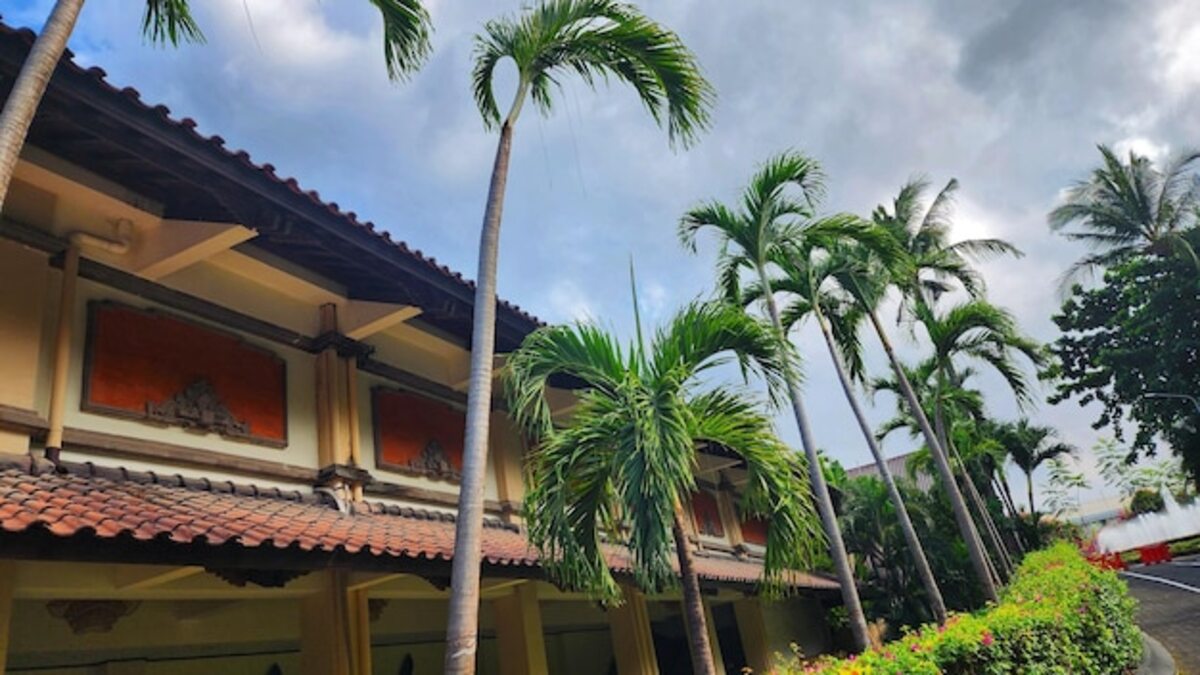
Buying a home in Costa Rica is an exciting yet challenging step. To ensure a safe purchase, it is essential to understand the key aspects that will protect you from unpleasant surprises. From market research to legal analysis, every detail matters to ensure that your investment is solid and satisfying. In this article, you will discover practical tips and effective strategies that will help you navigate this process with confidence and peace of mind.
Real Estate Market Research: What You Should Know?
Researching the real estate market is a fundamental step for anyone looking to buy a home in Costa Rica. Before making the decision to acquire a property, it is essential to understand the current market trends, as well as the most promising locations for investment. Analyzing factors such as demographic growth, developing infrastructure, and housing prices in different areas will give you a clear view of when and where to make your purchase. Additionally, this will help you identify opportunities that may not be obvious at first glance, ensuring that your choice aligns with your needs and expectations.
Another key aspect of market research is understanding the economic and legal context in which properties operate in Costa Rica. It is advisable to investigate local regulations, applicable taxes, and any restrictions related to foreign ownership if you are an international buyer. By being informed about these aspects, you will not only be able to avoid unpleasant surprises during the purchasing process but also negotiate better sales terms. Ultimately, spending time on this initial research can save you future inconveniences and ensure that your investment is secure and profitable.
Advertisements
Importance of Verifying Legal Documentation
The verification of legal documentation is a crucial step in the home buying process in Costa Rica. This procedure not only allows you to authenticate the property you are acquiring but also ensures that there are no liens, mortgages, or legal issues associated with it. By reviewing the property titles and other relevant documents, you can avoid unpleasant surprises that could affect your long-term investment. Make sure to have the support of a real estate attorney to guide you through this stage and ensure that everything is in order.
Additionally, it is important to verify if the property meets the urban planning and environmental requirements established by local authorities. This includes confirming if it has the necessary permits for its construction and use, as well as ensuring that it is not located in an area affected by legal restrictions or natural hazards. The lack of these permits could result in fines or even the loss of the property. Therefore, taking the time to analyze the legal documentation not only protects your investment but also gives you peace of mind knowing that you are making informed and responsible decisions in your purchasing process.
Location Assessment: Key Factors to Consider
The location of a home is one of the most determining factors in its value and quality of life. When evaluating the site where you plan to buy, consider the proximity to essential services such as schools, hospitals, supermarkets, and public transportation. A good location not only increases your daily comfort but can also influence the property's appreciation over time. Researching the future urban development projections of the area is also vital; a developing neighborhood can offer attractive opportunities, but it can also present challenges if not managed properly.
Another crucial aspect when evaluating the location is the social and cultural environment. Research whether the community has good references in terms of safety, coexistence, and recreational activities. The opinions of current residents can provide you with valuable information about the lifestyle in that area. Additionally, consider factors such as the climate, access to green spaces, and available infrastructure. All of this will impact not only your daily experience once you move but also the future value of your real estate investment in Costa Rica.
Property Inspection: Don't Skip This Step
The property inspection is a crucial step that you should not overlook when buying a home in Costa Rica. This process involves a thorough evaluation of the property to identify potential structural, electrical, or plumbing issues that could lead to costly repairs in the future. Having a professional inspector will provide you with a clear understanding of the overall condition of the home and give you the opportunity to negotiate repairs or price adjustments before closing the deal. Ignoring this stage could lead to unpleasant surprises that impact your investment.
It is also important to keep in mind that homes in Costa Rica may present unique challenges due to factors such as the tropical climate and the materials used in their construction. Therefore, it is advisable to hire an expert familiar with local conditions and experienced in residential inspections. It is not only about ensuring that everything works properly; it is also vital to verify legal aspects such as building permits and compliance with local regulations. Conducting a detailed inspection will provide you with peace of mind and security when making such a significant decision as purchasing your home.
Financial Advisory: How to Choose the Best Credit Option
Financial advisory is an essential component when choosing the best credit option for purchasing a home in Costa Rica. Before committing to a loan, it is crucial to evaluate your personal finances and determine how much you can afford to pay monthly without jeopardizing your economic stability. A financial advisor can help you understand the different financing alternatives available, such as traditional mortgage loans or more flexible solutions, and how each one fits your particular situation. Additionally, they can guide you on interest rates, terms, and other conditions that will impact the total cost of the loan.
It is also important to consider the hidden costs associated with obtaining a loan. Many buyers focus solely on the interest rate and overlook additional expenses such as insurance, taxes, and fees that can significantly increase the final amount to be paid. Your financial advisor will not only help you identify these costs, but will also provide you with tools to make comparisons between different financial institutions. This way, you can make informed decisions that maximize your investment and protect you against potential future inconveniences in the process of acquiring your new home.
Smart Negotiation: Strategies to Get the Best Price
Negotiation is an art and, in the context of buying a home in Costa Rica, it becomes an essential tool for obtaining the best price. Before entering negotiations, it is crucial that you conduct thorough research on the local real estate market. Knowing the average prices of similar properties in the area will give you a solid foundation to support your offer. Additionally, consider the condition of the property; if you identify areas that require repairs or improvements, use this to your advantage as a negotiation point to request a lower price. Preparation is key: the more information you have, the greater your confidence will be when negotiating.
Another effective strategy is to establish a friendly relationship with the seller or their agent. Empathy can be a great ally during negotiations; if you manage to create a cordial and trusting environment, both parties are more likely to be open to finding a mutually beneficial agreement. Additionally, don’t hesitate to make initial offers that are below the asking price. This can open up space to discuss middle-ground options and facilitate mutual concessions. Remember that patience and perseverance are vital: don’t rush to close the deal without having explored all possibilities. This way, you can ensure not only the best possible price but also a fair and satisfactory transaction for both parties.
Contracts and Commitments: What You Should Review Carefully
When acquiring a home in Costa Rica, the contracts and commitments that are signed are crucial elements that require meticulous attention. It is vital to read each clause carefully to understand the obligations and rights you acquire by signing the agreement. Additionally, ensure that all terms are clear and fair; any ambiguity can lead to misunderstandings or even legal issues in the future. Do not hesitate to consult a lawyer specializing in real estate to advise you on the legal aspects of the contract and help you identify potential risks.
It is also important to review the financing conditions, if applicable, as well as the penalties for non-compliance and any other additional obligations that may arise during the transaction. Make sure to check for hidden clauses or additional burdens that could affect your purchase. Remembering that this document will be your legal guide throughout the acquisition process will allow you to proceed with confidence, ensuring not only the legality of the deal but also your protection as a buyer against adverse situations. A careful approach at this stage will guarantee a much smoother and safer experience when becoming a property owner in Costa Rica.
Post-Purchase Tips: How to Protect Your New Investment
After purchasing your home in Costa Rica, it is crucial to implement measures that protect this valuable investment. One of the first steps is to ensure that all documents related to the property are in order and properly filed. This includes deeds, purchase agreements, and any other relevant legal documents. Keeping digital and physical copies in a safe place will allow you to easily access them in case of future disputes or administrative procedures. Additionally, consider establishing home insurance that covers damages from natural disasters or other unforeseen events, thus ensuring additional protection for your investment.
Another effective strategy is to carry out regular and preventive maintenance on the property. This not only preserves the long-term value of your home but also prevents costly problems in the future. Periodically inspect electrical installations, plumbing systems, and the overall condition of the property to identify potential repairs before they become emergencies. Finally, stay informed about local regulations and changes in the real estate market that may affect your property; being proactive will allow you to make informed decisions and better protect what you have acquired with such effort.
Advertisements
More in Lifestyle

Home, Lifestyle
Guide to finding the ideal home in Costa Rica hassle-free

Home, Lifestyle
Escape to Paradise: Your New Lifestyle in La Fortuna
Home, Lifestyle
Guide to choosing the ideal neighborhood in your new life in Costa Rica
Home, Lifestyle
Strategies to secure your investment in a new home in Costa Rica
Most viewed in Home

Home, Furniture
Furniture that promotes the art of rest and disconnection

Home, Furniture
How to select furniture that reinforces your investment in Costa Rica
Home, Essential Appliances
Appliances that ensure functionality and style in your home
Home, Security and Technology
Early warning systems for smart home security