


How to spot a scam when buying a house in Costa Rica
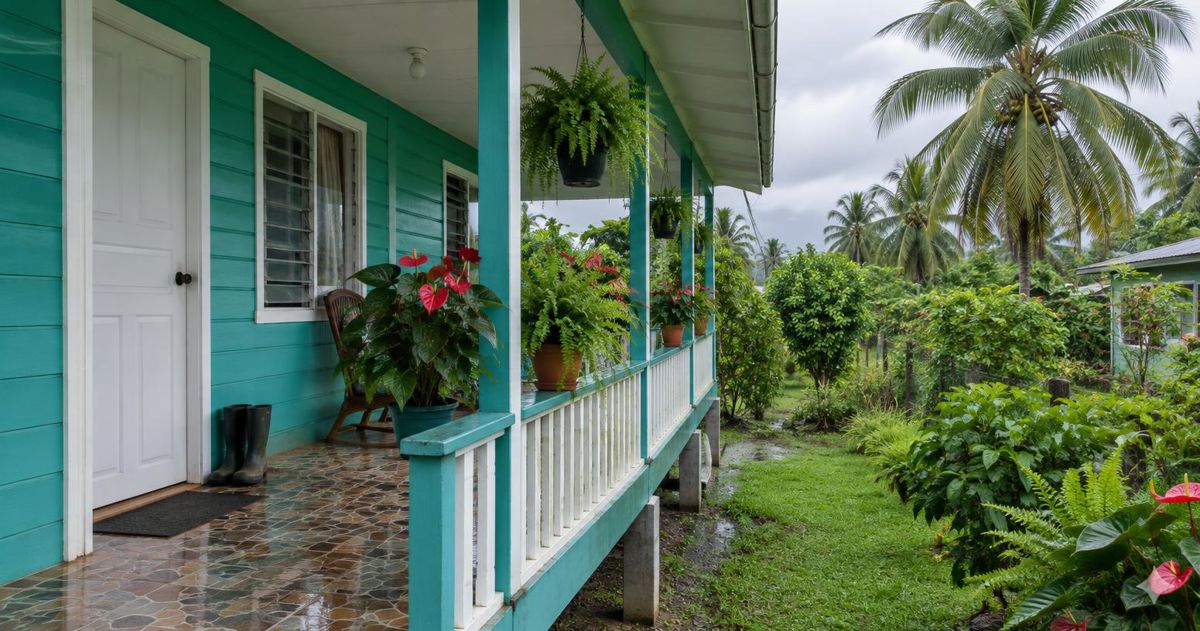
Buying a house or a lot in Costa Rica means handing a large sum to someone the buyer has, almost always, only just met. This guide gathers the most frequent scams, the signs that give them away and the steps to protect yourself before paying, from the moment you find a listing among the homes for sale in Costa Rica until the deed is recorded in the Registro Nacional.
What are the most common scams when buying a house or a lot?
The best known is the sale by someone who is not the owner: a person advertises a house that belongs to someone else, sometimes with photos copied from another listing, collects a deposit and vanishes. A more elaborate variant is owner impersonation: with a fake ID card or a forged power of attorney, the fraudster appears before a notary as if he were the owner and signs a deed. In Costa Rica the sale of the same property to two buyers also recurs: the seller collects from both and leaves them to fight over the recording.
Lots bring their own problems: land without a cadastral survey plan, land that encroaches on a public road or a protected zone, or lots in an unpermitted subdivision that may be impossible to segregate or connect to water and power. There are also sales of shares in an undivided property presented as if they were an independent lot, and properties with mortgages, embargoes or annotations that the seller hides until after getting paid.
Renting has its own version: anyone browsing the homes for rent in Costa Rica may run into an advertiser who asks for a deposit to reserve a house he does not control. The logic is always the same: get the money before the other party has time to verify. That is why every defence in this guide points the same way: verify first and pay afterwards.
Advertisements
How do you verify that the seller is the registered owner?
The only source that counts is the Registro Nacional. The owner of a house or a lot is whoever is recorded on the property, not whoever holds the keys, lives there or shows an old deed. Verification therefore starts by asking for the property number and the province, and checking that property before discussing price. Those details are no whim: article 88 of the Código Notarial (Law 7764) requires that the deed for a property to be recorded in the Registry state the province and the property number, and expressly its nature, size, location and boundaries.
- Ask the seller for the property number, the province and the cadastral plan number.
- Look up the property in the Registro Nacional and compare the name and ID number of the recorded owner with the seller's identification.
- Check in that record whether there are mortgages, embargoes, annotations or easements.
- Compare the cadastral plan with what you see on the ground: size, boundaries and access.
- If an attorney-in-fact signs, ask your lawyer to verify the power of attorney and that it is still in force.
- Repeat the Registry check right before signing and paying.
A clean record does not close the matter. For the purchase to be in your name, article 450 of the Código Civil requires the title to be in a public deed, a final judgment or another authentic document expressly authorised by law. A private document, however well drafted, cannot be recorded. Choose the notary yourself, do not accept one imposed by the seller, and ask him to go over the registry report with you before signing.
What warning signs does a sale that is too cheap give?
A price far below what similar houses in the same area are asking is the oldest bait. Sometimes the reason is legitimate, such as an inheritance the heirs want to settle or an owner leaving the country, but the buyer has to find out before paying. For a reference, compare the offer with home prices in Costa Rica by province and canton: if the gap is huge, the question is not how much you save but what is being hidden from you.
The discount rarely comes alone. It usually arrives with pressure (another buyer is interested and you must reserve today), with a seller who claims to live abroad and cannot show the house, with requests to transfer money to the account of a relative or a third party, with documents that only arrive as photos on a phone, or with insistence on using the seller's notary. Any one of those signs is enough to stop; several together all but confirm the deception.
Browsing cheap homes for sale in Costa Rica is reasonable and many offers are genuine. The difference lies in the method: a low price justifies checking more carefully, not less. Visit the property, talk to the neighbours, ask for the registry report and do not advance money to hold a house you have not yet verified.
Why not hand over money without a signed contract?
Because money handed over without a document stating what it is paid on account of is very hard to recover. A transfer or an informal receipt proves that money left your account, but not what was agreed, nor when the deed was to be signed, nor what happens if the seller backs out. Before the first payment, sign with a lawyer or a notary a contract that identifies the property, the price, the payment terms, the deadline for the deed and the consequences of a breach.
If you pay a deposit, it should be called by its name. Under article 1058 of the Código Civil, money handed over as earnest money (señal or arras) in a sale is always deemed paid on account of the price and as ratification of the contract, and neither party may back out by forfeiting it unless that was expressly agreed. In other words, if you want the option to walk away by losing the deposit, it has to be written into the contract.
The promise to sell is the other tool. Under articles 1053, 1054 and 1055 of the Código Civil, an accepted promise to sell gives the right to require that the sale be carried out; ownership passes on the day of the sale and not on the day of the promise, and if performance is not sued for within one month from when it becomes due, the promise lapses. Signing the promise does not make you the owner, and letting that month pass without acting may leave you without the right to require the sale.
| Document | What it achieves | What it does not achieve |
|---|---|---|
| Receipt or transfer without a contract | Proves that you paid | Does not state what was agreed or oblige anyone to sell |
| Contract with earnest money | Keeps the deposit on account of the price and confirms the deal | Does not allow backing out by forfeiting the deposit unless agreed |
| Accepted promise to sell | Gives the right to require that the sale take place | Does not transfer ownership and lapses if not sued on in time |
| Recorded public deed | Puts the property in your name against third parties | Does not fix problems the registry report missed |
The last risk lies between signing and recording. Article 455 of the Código Civil provides that an unrecorded purchase does not affect third parties until the date it is presented to the Registry, and that if the deed is presented more than 3 months after execution and an embargo or attachment is already noted, that note prevails unless the buyer proves in ordinary proceedings that his right is genuine and not simulated. Ask the notary to present the deed as soon as possible and to give you the proof of presentation.
That procedure has costs you should plan for from the start, so that no one can offer to save you them with shortcuts: notary fees, taxes and stamps. The detail is in what buying a house costs on top of the price in Costa Rica. Be wary of anyone who suggests recording a lower amount in the deed or leaving the recording for later.
What should you do if you were the victim of a property scam?
Act quickly and in writing. Do not delete conversations or confront the fraudster on your own: every message, receipt and listing can be evidence. The order of the steps matters, because some only work if taken early.
- Keep the listing, the messages, the payment receipts, the photos of documents and the details of the accounts you transferred to.
- Notify your bank immediately if you paid by transfer, to try to stop the funds.
- File a complaint with the Organismo de Investigación Judicial (OIJ) or the Ministerio Público, with all the documentation.
- Ask a lawyer whether to request an annotation or a precautionary measure on the property in the Registro Nacional to block further sales.
- If a notary took part, also file a complaint against the notary with the Juzgado Notarial, where you can also claim damages.
A lawyer will tell you which route suits your case, criminal, civil or both, and what you can claim. Recovering the money is not assured and proceedings can take time, which is why prevention remains the best defence: every verification step costs far less than a lawsuit.
What we would do before paying for a house or a lot
- Ask for the property number and check the Registro Nacional before negotiating the price.
- Choose our own notary and ask for the full registry report, with liens and annotations.
- Visit the property, compare the plan with the land and talk to the neighbours.
- Pay nothing without a signed contract stating whether the deposit is earnest money and what happens if someone backs out.
- Require that the deed be presented to the Registry immediately and keep the proof of presentation.
Frequently asked questions
How can you avoid a scam when buying a property in Costa Rica?
With a simple order: verify first and pay afterwards. Confirm in the Registro Nacional that the seller is the recorded owner and that the property is free of liens, visit the property, choose the notary yourself and sign a contract before handing over any deposit. Pay by traceable means, to an account in the owner's name, and be wary of pressure, very low prices and sellers who cannot show the house.
Is a private contract enough to buy a house?
It serves to put in writing what was agreed, such as the price, the earnest money or the promise to sell, and gives you a basis to make a claim. But it does not make you the owner and cannot be recorded: as explained above, to record the sale the title must be in a public deed or another authentic document authorised by law. Until the deed is presented to the Registry, your purchase remains exposed to third parties.
Is it safe to pay in advance to hold a house?
Only if you have already verified the owner in the Registry and the payment is backed by a signed contract stating that it is on account of the price, the deadline for the deed and what happens if either party fails to perform. A deposit to hold a house sent by transfer, without a document and to a third party's account, is exactly the payment fraudsters look for and the hardest to recover.
What should you check on a lot before buying it?
Besides the owner and the liens, check that the lot has a cadastral plan that matches the land, that it has access to a public road and that it does not encroach on a protected zone. Ask the municipality whether the zoning allows what you want to build and whether water is available. If it is part of a larger property, confirm that it has been segregated and is not a share in an undivided property.
This guide summarises common practice when buying a property in Costa Rica and the rules of the Código Civil and the Código Notarial that apply to the sale. It does not replace the advice of a lawyer or a notary, who should review your specific case before you sign or pay.
Advertisements
More in Documentation

Buying Process, Documentation
What documents buying a house in Costa Rica requires

Buying Process, Documentation
Keys for an effective negotiation in home buying

Buying Process, Documentation
How to assess financial viability before buying a home

Buying Process, Documentation
How to choose the right real estate agent for your purchase
Most viewed in Buying Process

Buying Process, Common Mistakes
Frustrating purchases due to ignoring return policies

Buying Process, Common Mistakes
Mistakes when overlooking the extended warranty in your purchases

Buying Process, Advice
How to build a priority system for your household purchases
Buying Process, Procedures
How to buy a house in Costa Rica, step by step